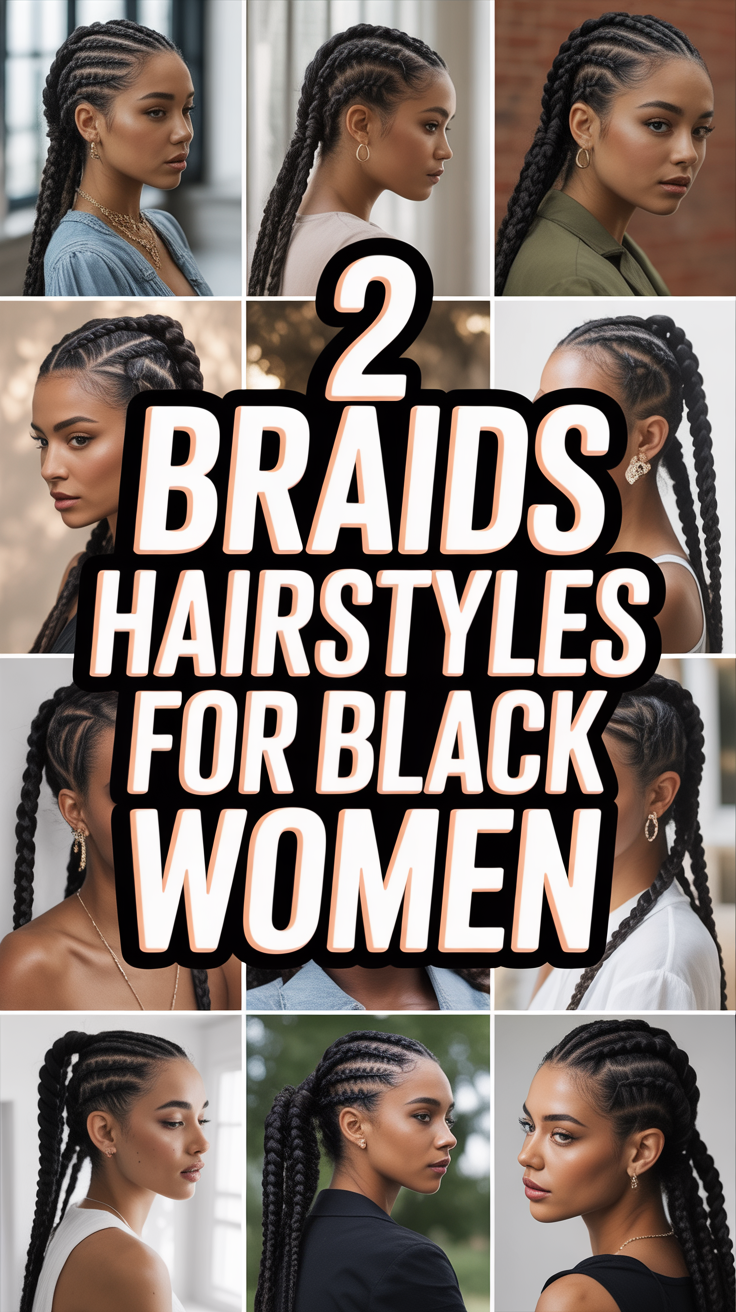
✨ 2 Braids Hairstyles For Black Women
In the vibrant tapestry of Black hair culture, certain styles stand out not just for their aesthetic appeal but also for their profound functionality and cultural resonance. Among these, the “2 Braids” hairstyle holds a special place. Far more than just a simple parting and plaiting of hair, 2 braids represent a cornerstone of protective styling, a canvas for self-expression, and a nod to ancestral traditions. For Black women, this versatile hairstyle offers a perfect blend of elegance, practicality, and health benefits, making it a perennial favorite for various occasions and hair types.
Whether you’re seeking a chic look for a night out, a low-maintenance option for a busy week, or a protective style to foster hair growth, 2 braids deliver. This comprehensive guide will delve into everything you need to know about embracing, creating, and maintaining this iconic hairstyle. We’ll explore its nuances, provide step-by-step instructions, share expert tips, and address common concerns, ensuring you have all the information to master the art of 2 braids and integrate them seamlessly into your hair care journey.
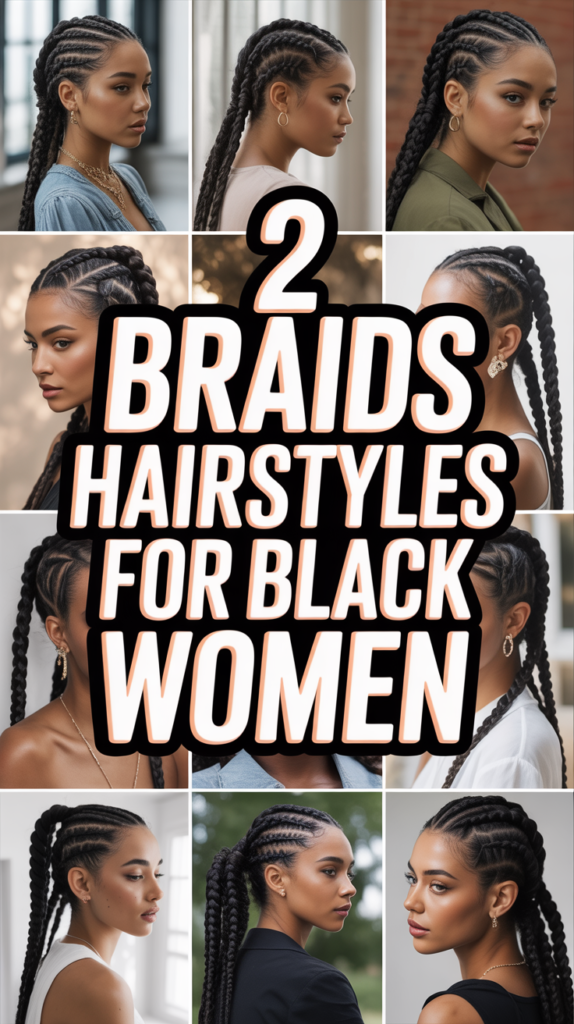
What is 2 Braids Hairstyles For Black Women?
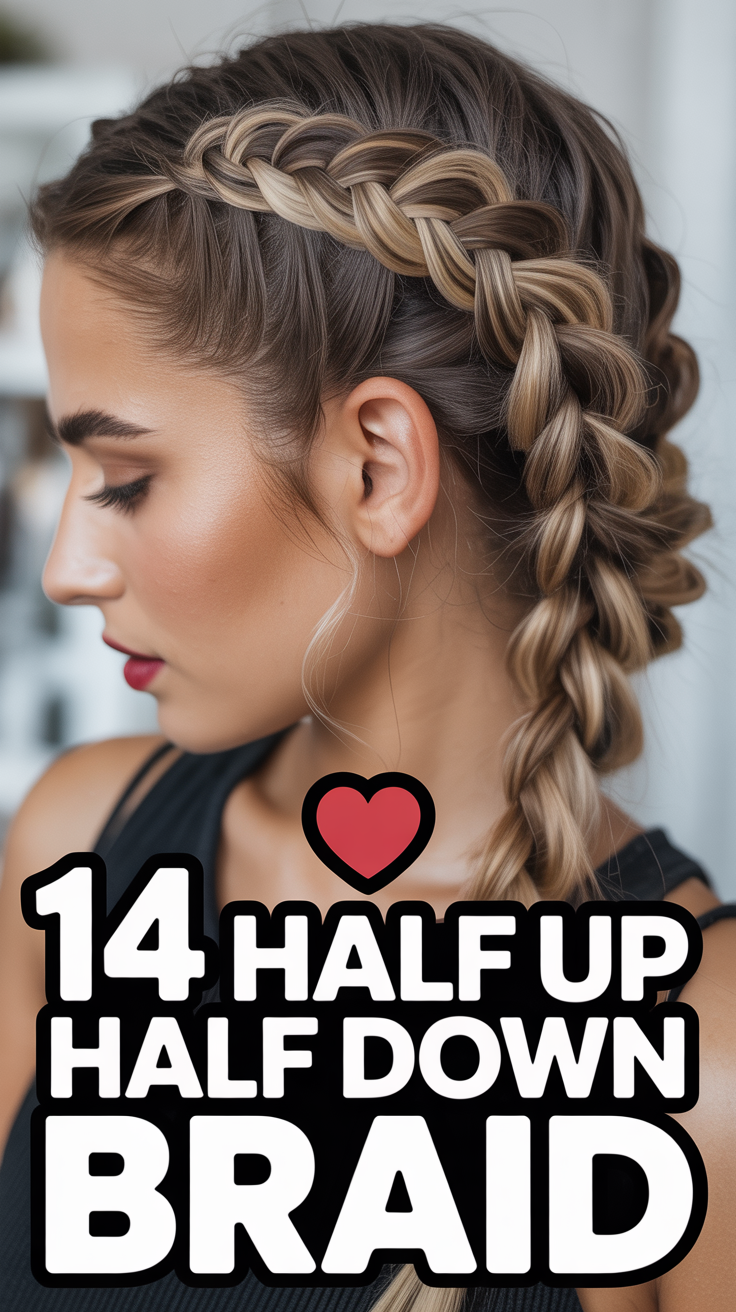
At its core, a 2 braids hairstyle for Black women involves parting the hair down the middle and creating two distinct braids, one on each side of the head. While the concept sounds straightforward, the execution and variations are incredibly diverse, allowing for a personalized touch that caters to individual style and hair texture. These braids are typically cornrows, where the hair is braided flat against the scalp, or Dutch braids, which give a raised, more prominent look, though French braids (braided underhand) are also common.
The beauty of 2 braids lies in their adaptability. They can range from sleek, small, and tight braids that offer maximum protection and longevity, to large, jumbo braids that make a bold fashion statement. Often, hair extensions are incorporated using the “feed-in” method, where synthetic hair is gradually added to the natural hair as the braid progresses. This technique allows for increased length, volume, and intricate designs, while also minimizing tension on the scalp, which is crucial for healthy hair growth.
Beyond their aesthetic appeal, 2 braids are celebrated as a quintessential protective style. Protective styles minimize daily manipulation, shielding natural hair from environmental stressors like harsh weather, friction from clothing, and excessive heat styling. For Black women, whose hair is often delicate and prone to breakage, this protection is invaluable. It allows the hair to rest, retain moisture, and grow undisturbed, contributing significantly to overall hair health and length retention.
Culturally, braids hold deep significance within the Black community, dating back thousands of years. They are not merely hairstyles but symbols of identity, status, spirituality, and artistry. The 2 braids style, in its various forms, connects contemporary Black women to this rich heritage, allowing them to express their identity and creativity while honoring a timeless tradition. It’s a style that transcends age, professional settings, and social events, proving its enduring versatility and importance.
Key Features
The enduring popularity of 2 braids among Black women can be attributed to a range of compelling features that make this hairstyle exceptionally beneficial and appealing.
- Exceptional Protective Styling: This is arguably the most significant feature. By tucking away the ends of the hair and minimizing daily manipulation, 2 braids shield natural hair from breakage, split ends, and environmental damage. This protective barrier is crucial for retaining moisture, reducing shedding, and promoting healthy hair growth, making it an excellent choice for those on a hair growth journey or looking to give their hair a break from styling.
- Unrivaled Versatility: Despite being “two” braids, the styling possibilities are endless. They can be worn sleek and straight back for a classic look, styled with intricate parts (e.g., zig-zag, curved) for added flair, or accessorized with beads, cuffs, or ribbons. The braids themselves can vary in size (jumbo, medium, small), type (cornrows, Dutch, French), and length (shoulder-length, waist-length). They can be styled up into buns, ponytails, or left hanging, adapting effortlessly from casual daytime wear to elegant evening events, professional settings, and intense workouts.
- Low Maintenance and Longevity: Once installed, 2 braids significantly reduce the daily styling routine. Depending on the braid type and how well they are maintained, they can last anywhere from one to three weeks. This longevity saves considerable time and effort, allowing for more focus on other aspects of life without compromising on a polished appearance.
- Promotes Scalp Health: Unlike some other protective styles that make the scalp inaccessible, 2 braids, especially cornrows, expose parts of the scalp. This allows for easy application of oils, moisturizers, and scalp treatments, which is vital for preventing dryness, itching, and promoting a healthy environment for hair follicles. Regular scalp care while in braids can lead to healthier hair upon takedown.
- Cultural and Historical Significance: For Black women, braids are more than just a trend; they are deeply rooted in cultural identity and heritage. Wearing 2 braids is a way to connect with ancestral traditions, celebrate Black beauty, and express individuality within a rich cultural context. It’s a statement of pride and self-love.
- Cost-Effective and Accessible: Compared to some other elaborate hairstyles, 2 braids can be a more affordable option, especially if done at home or by a local braider. The required tools and products are generally inexpensive and widely available, making this style accessible to a broad audience.
How to Get Started
Achieving a flawless 2 braids hairstyle requires careful preparation, the right tools, and a systematic approach. Whether you’re braiding your own hair or getting it done by a professional, these steps will guide you through the process.
1. Preparation is Key
- Cleanse and Condition: Start with freshly washed and deep-conditioned hair. Use a clarifying shampoo to remove any buildup, followed by a moisturizing conditioner. A deep conditioning treatment is highly recommended to infuse your hair with moisture, making it more pliable and less prone to breakage during braiding.
- Detangle Thoroughly: After conditioning, gently detangle your hair using a wide-tooth comb or a detangling brush, working from the ends upwards. Ensure your hair is completely knot-free to prevent pain and breakage during the braiding process.
- Moisturize and Stretch: Apply a leave-in conditioner and a hair cream or butter to moisturize your hair. For easier braiding, especially if you have very coily hair, stretch your hair using methods like blow-drying on a cool setting, banding, or threading. This makes the hair easier to manage and helps achieve a smoother braid.
2. Gather Your Supplies
Having all your tools within reach will make the process smoother and more efficient.
- Rat-tail comb: For precise parting and sectioning.
- Hair clips: To hold sections of hair out of the way.
- Styling gel or edge control: To smooth down flyaways, define parts, and lay edges.
- Hair extensions (optional): If you desire added length, volume, or color. Kanekalon braiding hair is a popular choice for feed-in braids.
- Moisturizing oil or sheen: For finishing touches and ongoing maintenance.
- Rubber bands or hair ties: To secure the ends of the braids.
- Mirror: Essential for seeing your work, especially if you’re braiding your own hair.
3. Sectioning Your Hair
Precise sectioning is crucial for neat and symmetrical 2 braids.
- The Middle Part: Using your rat-tail comb, create a clean, straight part down the center of your head, from your forehead to your nape. Take your time to ensure it’s as straight as possible.
- Secure Sections: Clip one half of your hair out of the way to focus on braiding the other side first.
4. Braiding Technique (Cornrows/Dutch Braids)
This is where the magic happens. We’ll focus on cornrows or Dutch braids, as they are the most common for this style.
- Start at the Hairline: Take a small, triangular section of hair at the very front of the section you’re working on, near your hairline. Apply a small amount of styling gel to this section for a sleek start.
- Begin Braiding: Divide this small section into three equal strands.
- For Cornrows: Begin a standard three-strand braid, but instead of crossing the strands over each other, cross them under each other. As you move along, gradually add small, equal amounts of hair from the scalp into each outer strand before crossing it under the middle strand. Keep the braid flat against your scalp.
- For Dutch Braids: The technique is identical to cornrows (crossing under), but instead of keeping it tight to the scalp, allow the braid to sit slightly raised, giving it a more prominent, “popping out” effect.
- Incorporate Extensions (Feed-in Method – Optional): If using extensions, start your natural hair braid for a few stitches. Then, using small pieces of braiding hair, loop them under one of the outer strands of your natural hair braid before crossing it under. Gradually add more hair as you continue braiding, ensuring a seamless blend and even thickness. This technique helps reduce tension on your hairline.
- Maintain Tension: Keep consistent, firm (but not too tight!) tension throughout the braiding process to ensure neat, uniform braids.
- Braid to the Ends: Continue braiding down the length of your hair (and extensions, if used) until you reach the ends. Secure with a small rubber band or by sealing the ends with hot water (for synthetic hair).
- Repeat on the Other Side: Unclip the second section of your hair and repeat the entire braiding process, striving for symmetry with the first braid.
5. Finishing Touches
- Lay Edges: Apply a small amount of edge control to your hairline and use a small brush or your fingertip to smooth and style your baby hairs.
- Moisturize and Shine: Lightly spray your braids with a moisturizing oil sheen to add luster and keep your hair hydrated.
- Scalp Care: Apply a light oil (like jojoba, peppermint, or tea tree oil) directly to your scalp to prevent dryness and itching.
Tips for Success
To ensure your 2 braids look their best, last longer, and contribute positively to your hair health, consider these expert tips:
- Prioritize Hair Health Before Braiding: The foundation of any great protective style is healthy hair. Before braiding, ensure your hair is thoroughly cleansed, deeply conditioned, and moisturized. Healthy, strong hair is less prone to breakage during the braiding process and will thrive better while in the style. Consider a protein treatment if your hair feels weak or brittle.
- Master the Art of Sectioning and Parting: Clean, straight, and precise parts are the hallmark of professional-looking braids. Invest time in perfecting your middle part using a rat-tail comb. Uneven parts can throw off the entire aesthetic of the style. Practice makes perfect, so don’t be discouraged if your first attempt isn’t flawless.
- Choose the Right Products: The products you use can significantly impact the outcome and longevity of your braids.
- Styling Gel/Edge Control: Opt for a non-flaking, strong-hold gel to achieve sleek parts and laid edges.
- Moisturizers: Use lightweight leave-in conditioners and hair oils that won’t cause excessive buildup but will keep your natural hair and scalp hydrated. Look for products specifically formulated for braided styles.
- Extensions: If using, choose high-quality synthetic braiding hair (like Kanekalon) that is soft, durable, and comes in a color that matches or complements your desired look.
- Maintain Proper Tension: This is critical for both the aesthetic and health of your hair. Braids should be firm enough to be neat and last, but never so tight that they cause pain, pull on your scalp, or lead to bumps. Excessive tension can result in traction alopecia (hair loss around the hairline). If it hurts, it’s too tight. Communicate this if a stylist is braiding your hair.
- Protect Your Braids at Night: To extend the life of your 2 braids and prevent frizz, always cover your hair with a silk or satin scarf or bonnet before going to bed. Cotton pillowcases can absorb moisture from your hair and cause friction, leading to frizz and breakage.
- Regular Scalp Care: Even though your hair is braided, your scalp still needs attention. Gently cleanse your scalp every few days with a diluted astringent (like witch hazel) or a dry shampoo for braids. Follow up with a light, nourishing oil (e.g., peppermint, tea tree, or jojoba oil) applied directly to your scalp to soothe and moisturize.
Common Mistakes to Avoid
While 2 braids are a fantastic style, certain pitfalls can compromise your hair health and the look of your style. Being aware of these common mistakes can help you maintain beautiful and healthy braids.
- Braiding Too Tight: As mentioned in the tips, this is perhaps the most critical mistake. Overly tight braids can lead to severe discomfort, headaches, and inflammation of the hair follicles. Chronic tightness can cause traction alopecia, a form of hair loss, particularly around the hairline and temples, which can be permanent. Always ensure the tension is comfortable and never painful.
- Neglecting Scalp Care: Just because your hair is in a protective style doesn’t mean your scalp can be ignored. Failure to moisturize and cleanse your scalp regularly can lead to dryness, itching, flaking, and product buildup. This can create an unhealthy environment for hair growth and even lead to fungal infections.
- Leaving Braids in Too Long: While 2 braids offer longevity, there’s a limit. Keeping braids in for too long (typically beyond 2-4 weeks, depending on hair type and growth rate) can lead to excessive product buildup, tangling, and matting of your natural hair, especially at the roots. When you finally take them down, you might experience significant shedding and difficulty detangling, potentially leading to breakage.
- Using Too Much Product: While products are essential, over-application of gels, mousses, or heavy oils can lead to buildup, flaking, and a greasy appearance. This can also weigh down your braids and attract dirt. Use products sparingly and focus on areas that truly need them, like the roots and edges.
- Improper Hair Preparation: Skipping steps like thorough cleansing, deep conditioning, and detangling before braiding can lead to a less-than-ideal outcome. Braiding dirty, dry, or tangled hair can make the process painful, result in frizzy-looking braids, and cause unnecessary breakage.
- Not Protecting Braids at Night: Sleeping directly on cotton pillowcases without a silk or satin scarf or bonnet is a recipe for frizz and premature wear and tear on your braids. The friction and moisture absorption from cotton will make your braids look messy and dull quickly.
- Rough Handling During Takedown: The takedown process is just as important as the installation. Ripping out braids or aggressively detangling can cause significant breakage and damage. Always use a generous amount of conditioner or oil to lubricate your hair, carefully unravel each braid, and detangle section by section with patience.
FAQ
Q1: How long do 2 braids typically last?
The lifespan of 2 braids can vary significantly depending on several factors, including your hair texture, how tightly the braids are installed, the type of braiding hair used (if any), and your maintenance routine. Generally, 2 braids can last anywhere from 1 to 3 weeks. Smaller, tighter braids with extensions tend to last longer, while larger, looser braids or those without extensions may only last a week or so before showing signs of frizz and needing to be refreshed or taken down. It’s crucial not to leave them in for too long to prevent matting and hair damage.
Q2: Can I wash my hair while I have 2 braids in?
Yes, you can and should wash your scalp while your hair is in 2 braids to maintain hygiene and prevent buildup. However, a full wash can loosen the braids and cause frizz. A recommended approach is to dilute a clarifying shampoo with water in an applicator bottle and gently apply it directly to your scalp between the braid sections. Massage gently with your fingertips, rinse thoroughly, and then apply a light leave-in conditioner or oil to your scalp. Avoid scrubbing the braids themselves too rigorously. Allow your braids to air dry completely to prevent mildew.
Q3: Are 2 braids good for hair growth?
Yes, 2 braids can be excellent for promoting hair growth indirectly. As a protective style, they minimize daily manipulation, friction, and exposure to environmental stressors, which are common causes of breakage. By reducing breakage, your hair retains more length, giving the appearance of growth. Additionally, the style allows for easy access to the scalp for moisturizing and oiling, creating a healthy environment for follicles. However, it’s important to ensure the braids are not installed too tightly, as excessive tension can lead to traction alopecia and counteract any potential growth benefits.
Q4: What type of hair extensions should I use for 2 braids?
For 2 braids, especially when using the feed-in method, Kanekalon braiding hair is the most popular and recommended choice. It’s a synthetic fiber known for its durability, lightweight nature, and ability to be sealed with hot water, which creates neat, sealed ends. Kanekalon hair comes in various textures, lengths, and colors, allowing for immense versatility. When selecting, look for “pre-stretched” Kanekalon hair, as it saves time by eliminating the need to stretch the hair yourself before braiding. Avoid heavy or overly shiny synthetic hair, as it can look unnatural and put undue stress on your natural hair.
Conclusion
The “2 Braids” hairstyle for Black women is a testament to the beauty, resilience, and versatility of natural hair. Far more than a fleeting trend, it stands as a cultural icon, a powerful protective style, and a canvas for endless creativity. From its ability to safeguard your strands against daily wear and tear to its effortless transition between casual and formal settings, 2 braids offer a compelling blend of practicality and panache.
By understanding the nuances of preparation, mastering the braiding techniques, and committing to proper maintenance, you unlock the full potential of this timeless style. Remember to prioritize the health of your scalp and hair, avoid common mistakes like excessive tightness, and embrace the joy of self-expression that 2 braids so beautifully embody. Whether you’re new to the world of braids or a seasoned enthusiast, we hope this guide empowers you to confidently rock your 2 braids, celebrating your heritage and showcasing your unique style with pride and grace.