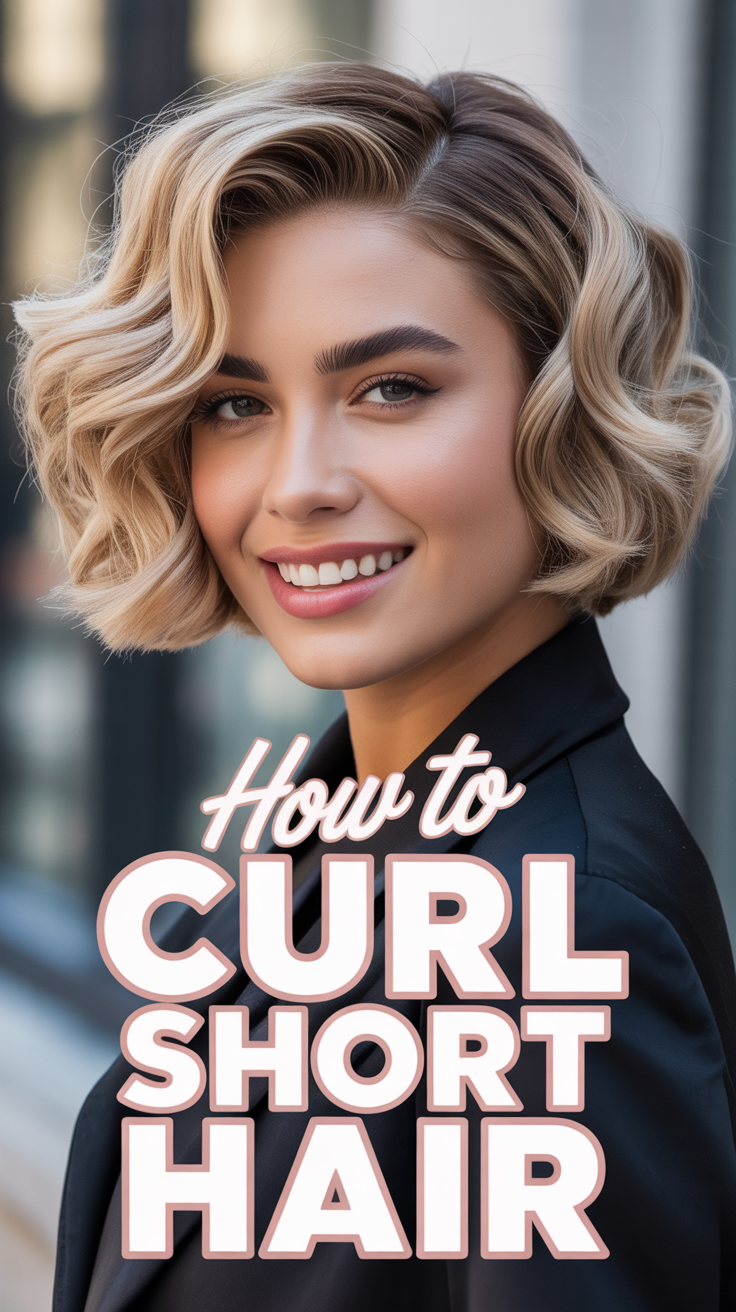
💇♀️ How To Curl Short Hair
💄 The Everyday Glamour Routine
You do not need to spend hundreds of dollars at Sephora to achieve a flawless, airbrushed finish. Professional makeup artists secretly rely on these 5 incredible, highly-rated viral drug store dupes and tools to create stunning looks that last all day.
✨ e.l.f. Power Grip Primer
The undisputed holy grail of primers that broke the internet. The unique gel-based formula literally 'grips' onto your foundation, blurring pores and completely preventing your makeup from melting off, creasing, or fading for up to 14 hours.
💧 Real Techniques Miracle Complexion Sponges
Stop applying liquid foundation with brushes that leave streaks. When used slightly damp, these ultra-soft, latex-free sponges seamlessly bounce liquid products into your skin for an incredibly natural, dewy, 'no-makeup' finish.
🖤 Maybelline Sky High Lengthening Mascara
You don't need expensive lash extensions. This wildly popular formula features a flexible tower brush that bends to volumize and extend every single tiny lash from root to tip without flaking, smudging, or weighing your eyes down.
🌟 L'Oreal True Match Lumi Glotion
The ultimate secret for that radiant 'glass skin' look. Use it alone for a sheer, healthy tint on no-makeup days, or mix a tiny drop into your foundation to instantly add an incredibly expensive-looking, natural luminosity to your face.
🌋 Revlon Oil-Absorbing Volcanic Roller
The modern replacement for messy blotting papers. Made from real volcanic stone, this tiny tool fits perfectly in your purse. Simply roll it across your T-zone to instantly absorb excess shine without messing up the makeup underneath.
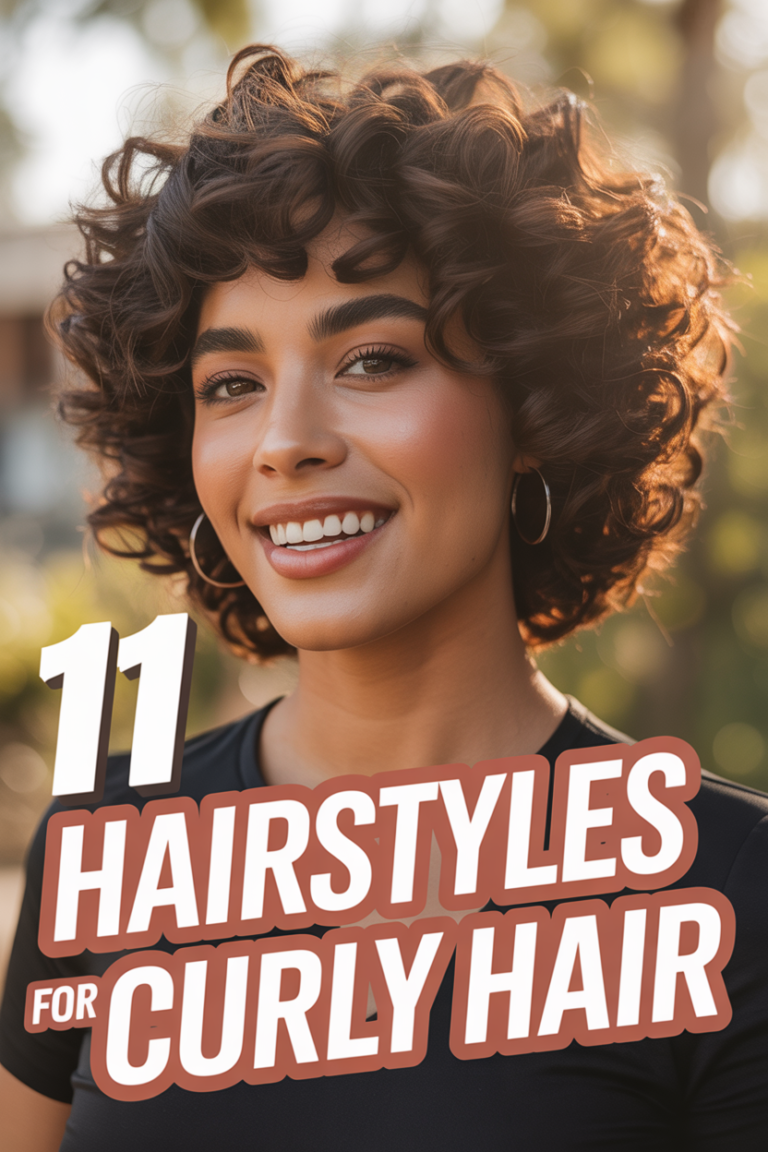
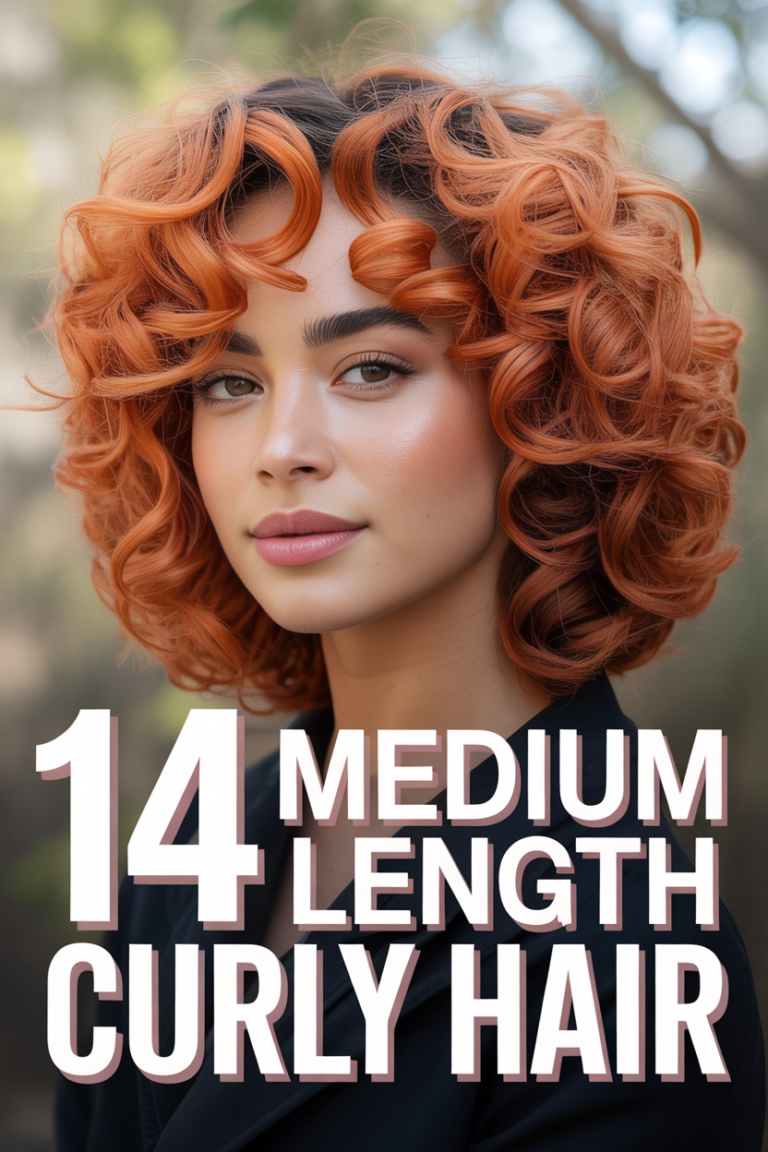
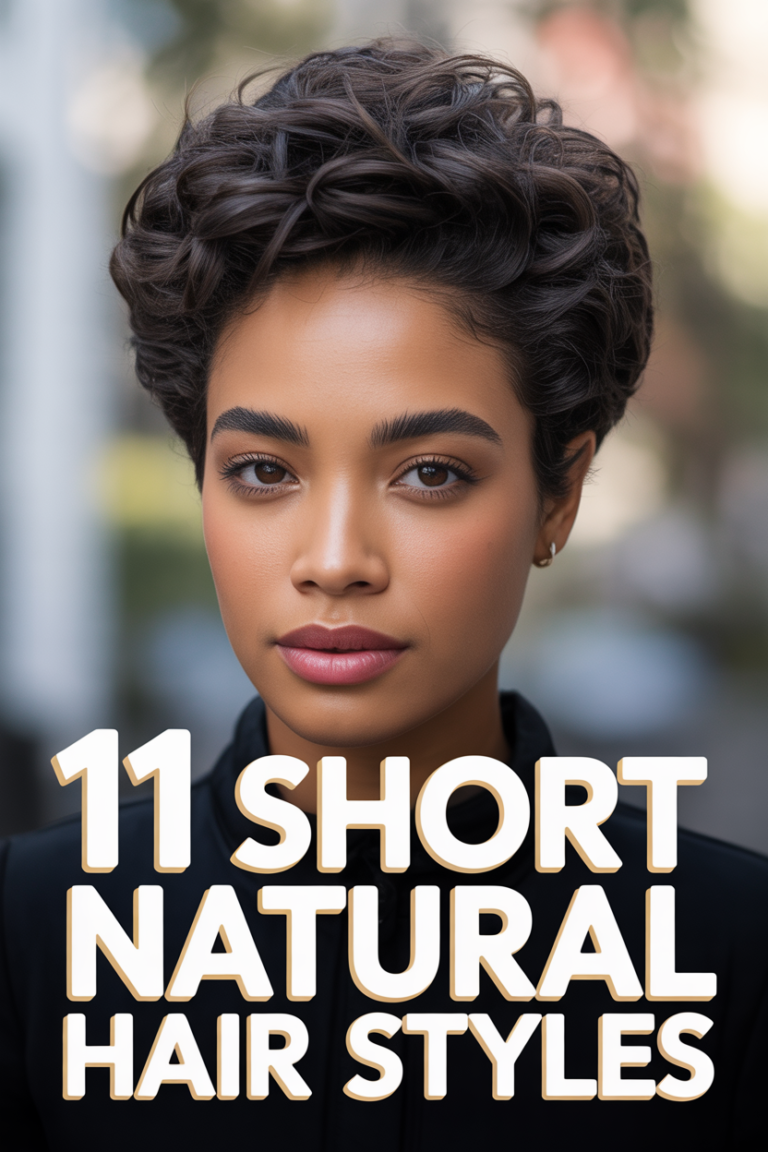
Short hair is a statement of chic sophistication, offering a bold and often effortless aesthetic. However, many with shorter locks mistakenly believe their styling options are limited, especially when it comes to achieving beautiful, lasting curls. The truth is, short hair is incredibly versatile, and with the right techniques and tools, you can unlock a world of bouncy, voluminous, or softly waved styles that perfectly complement your cut.
Whether you’re rocking a sassy pixie, a classic bob, or a trendy lob, learning how to curl your short hair can transform your look, adding texture, volume, and an undeniable touch of glamour or playful charm. This comprehensive guide will walk you through every step of the process, from essential preparation to expert finishing touches. We’ll cover everything you need to know to create stunning curls that hold, avoid common pitfalls, and master the art of styling your short hair with confidence and ease. Get ready to embrace the full potential of your short haircut and turn heads with your fabulous new look!
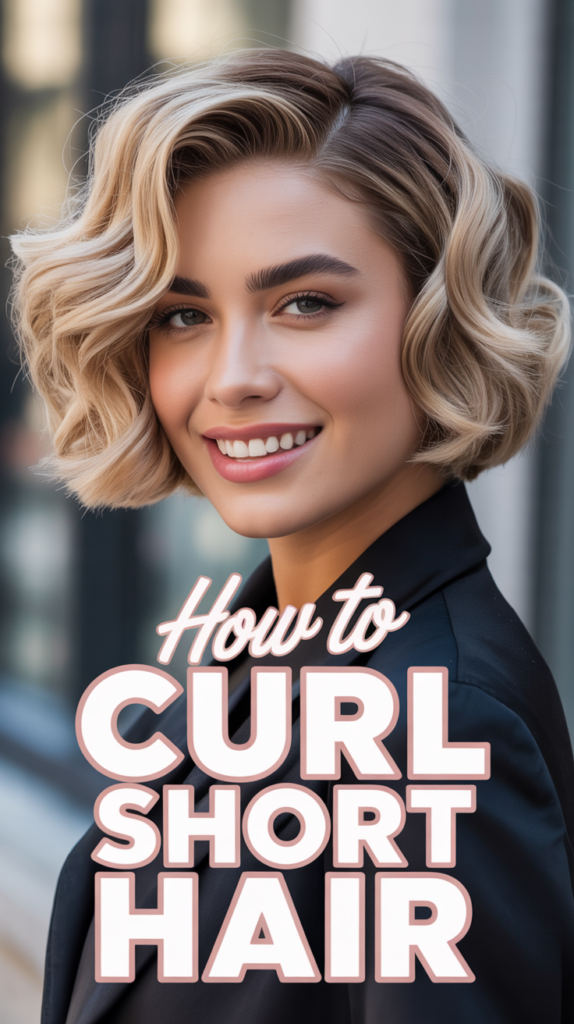
What You’ll Need
Before you begin your curling journey, gathering the right tools and products is crucial for achieving professional-looking results and protecting your hair. Think of this as your essential curling toolkit:
- Heat Protectant Spray: Non-negotiable! This shields your hair from heat damage, preventing dryness and breakage.
- Volumizing Mousse or Texturizing Spray: Provides a foundational grip and adds lift, especially important for fine or slippery short hair.
- Hair Clips: Sectioning your hair properly is key to managing shorter lengths and ensuring even curls. Alligator clips or duckbill clips work best.
- Fine-Tooth Comb or Paddle Brush: For detangling and creating clean sections.
- Curling Iron or Wand:
- Barrel Size: For most short hair, a 0.75-inch to 1-inch (19mm-25mm) barrel is ideal. For very short pixies, you might even go down to a 0.5-inch (13mm) barrel for tighter curls. For looser waves on a bob, a 1-inch barrel is perfect.
- Type: A clamp iron offers more control for beginners, while a wand can create more natural, undone waves. Consider a tapered wand for versatile curl sizes.
- Flat Iron (Optional but Versatile): A slim flat iron can also create beautiful curls and waves, especially for shorter sections.
- Hair Spray: Opt for a flexible hold for a softer look or a strong hold for maximum longevity, depending on your desired outcome.
- Wide-Tooth Comb or Your Fingers: For gently breaking up and styling your curls without causing frizz.
- Heat-Resistant Glove (Optional but Recommended): Especially useful if using a curling wand to protect your fingers.
Step-by-Step Instructions
Mastering the art of curling short hair involves precision and patience. Follow these detailed steps to achieve stunning, long-lasting curls.
Phase 1: Preparation is Key
-
Start with Clean, Dry Hair:
Ensure your hair is completely dry before applying any heat. Curling wet or even damp hair can cause significant damage and will not hold the curl effectively. If you’ve just washed your hair, blow-dry it thoroughly until every strand is dry to the touch. For best results, some prefer to curl second-day hair, as it often has a bit more grip and natural texture.
-
Apply Heat Protectant:
This is a non-negotiable step. Generously mist a high-quality heat protectant spray evenly throughout your hair. Pay extra attention to the ends, which are most prone to damage. Allow it to air dry for a few seconds or gently blow-dry on a cool setting before proceeding. This barrier is crucial for safeguarding your hair’s health and integrity.
-
Add Volume and Texture Base:
To give your short hair the best chance at holding a curl and achieving desirable volume, apply a volumizing mousse or texturizing spray. For mousse, dispense a golf-ball sized amount into your palm, emulsify, and work it through your roots and mid-lengths. For texturizing spray, mist it lightly throughout the hair. This step provides grip and memory to your hair, helping the curls last longer.
-
Section Your Hair:
Proper sectioning is vital for short hair, as it allows you to work with manageable pieces and ensures every strand gets curled. Use a fine-tooth comb to create clean, horizontal sections. Start by sectioning off the top half of your hair and clipping it up, leaving the bottom layer free. As you finish each layer, release another section from the top until all hair is curled. For very short hair, you might need to create even smaller, more precise sections.
Phase 2: Choosing Your Tool & Technique (Curling Iron/Wand Focus)
-
Select the Right Barrel Size and Temperature:
As mentioned, a 0.75-inch to 1-inch barrel is typically best for short hair. Choose a smaller barrel for tighter curls and a larger one for looser waves. Set your curling tool to the appropriate temperature: lower heat (250-300°F / 120-150°C) for fine, color-treated, or damaged hair, and medium to higher heat (300-375°F / 150-190°C) for thicker, coarser, or naturally curly hair. Always start with a lower temperature and increase if necessary.
-
Take Small Sections:
For short hair, success lies in working with small sections, typically 0.5 to 1 inch wide. Larger sections will struggle to heat evenly and won’t hold the curl as well on shorter lengths.
-
Determine Curl Direction:
The direction you curl can significantly impact the final look:
- Away from the Face: Curling the front sections away from your face creates a soft, face-framing effect and opens up your features.
- Alternating Directions: For a more natural, voluminous, and undone look, alternate the direction of your curls (one section away from the face, the next towards, and so on). This prevents the curls from clumping together.
- Towards the Face: This can create a more uniform, vintage, or structured curl pattern.
-
Curling with a Clamp Iron:
Open the clamp and place the hair section between the clamp and the barrel, about an inch or two from the root. Gently close the clamp and then wrap the rest of the hair around the barrel, winding it away from your face (or in your chosen direction). Hold for 5-10 seconds, depending on your hair type and heat setting. Carefully open the clamp and release the curl, letting it fall into your palm.
-
Curling with a Wand:
If using a wand, wear your heat-resistant glove. Hold the wand with the tip pointing downwards. Take a section of hair and wrap it around the barrel, starting from the root and winding towards the tip, ensuring the hair lies flat against the wand. Hold the very end of the hair section for 5-10 seconds. Release the curl by gently unwinding it or letting it slide off the wand into your palm.
-
Pinning Curls (Highly Recommended):
As each curl is released, gently cup it in your hand and roll it back up towards your scalp. Secure it with a bobby pin or a small duckbill clip. This crucial step allows the curl to cool completely in its coiled shape, setting it firmly and dramatically increasing its longevity. This is especially effective for short hair, which can sometimes struggle to hold a curl.
-
Repeat for All Sections:
Continue working systematically through your hair, section by section, layer by layer, until every piece is curled and pinned. Take your time to ensure consistency.
Phase 3: Setting and Finishing
-
Let Curls Cool Completely:
This is arguably the most important step for long-lasting curls. Do not touch or disturb your pinned curls until they are completely cool to the touch. This “setting” time allows the hydrogen bonds in your hair to reform in their new curly shape. The longer you let them cool, the better the hold. This might take 10-20 minutes, or even longer if you have very thick hair.
-
Release Pinned Curls:
Once cooled, gently remove all the pins. Be careful not to pull or tug on the curls.
-
Break Up Curls for Desired Look:
For tight, defined curls, you might skip this step or very lightly separate with your fingers. For a softer, more voluminous look, gently run your fingers through your curls or use a wide-tooth comb to break them apart. Avoid using a brush, as this can lead to frizz and undo the curl definition. For beachy waves, gently tug on the ends of the curls to loosen them.
-
Apply Finishing Spray:
Lightly mist your entire head with a flexible or strong-hold hairspray, holding the can about 10-12 inches away from your hair. This will lock in your style without making it stiff or crunchy. If you want extra volume at the roots, lift sections of hair and spray underneath.
-
Add Texture (Optional):
For an extra boost of volume and undone texture, lightly mist a texturizing spray or dry shampoo through your roots and mid-lengths. Gently scrunch your hair with your fingers to enhance the texture and volume.
Pro Tips
- Pinning is Power for Longevity: Always pin each fresh curl to your scalp immediately after it leaves the heat tool. Allowing the curl to cool completely in its coiled shape is the secret to making short hair curls last for hours, if not days.
- Mix Up Curl Directions for Natural Volume: Don’t curl every section in the same direction. Alternating the direction of your curls (one section away from your face, the next towards it) creates a more organic, voluminous, and less “perfect” look, preventing curls from clumping together.
- Barrel Size Matters Immensely: For short hair, a smaller barrel (0.75-inch to 1-inch) is your best friend. A barrel that’s too large won’t provide enough wrap space for your short strands to form a lasting curl, resulting in mere bends or flat waves.
- Don’t Forget the Underside: Often, people focus only on the top layers. However, curling the hair underneath, even if it’s very short, provides a crucial foundation for volume and ensures your style looks consistent from all angles.
- Layer Your Products Lightly: While products are essential for hold and protection, less is often more, especially on short hair. Apply a light mist of heat protectant, a small amount of mousse for volume, and a fine mist of hairspray. Overloading with heavy products can weigh down short hair, making curls fall flat or appear greasy.
Common Mistakes to Avoid
Even with the best intentions, certain missteps can hinder your curling efforts. Be mindful of these common mistakes to achieve flawless results:
- Skipping Heat Protectant: This is the most critical mistake. Without a heat protectant, your hair is exposed to direct heat damage, leading to dryness, frizz, split ends, and breakage over time.
- Curling Wet or Damp Hair: Applying heat to wet hair can cause it to literally boil from the inside out, leading to severe damage, steam burns, and ineffective, limp curls. Always ensure your hair is 100% dry.
- Using Too Large a Barrel Size: A curling iron or wand with too large a barrel (e.g., 1.25 inches or larger) will not allow short hair to wrap around enough times to form a defined curl. This often results in a slight bend rather than a true curl.
- Using Excessive Heat: High heat settings are not always better. Too much heat can scorch your hair, make curls look crunchy, and significantly increase damage. Start with a lower temperature and only increase if necessary.
- Not Letting Curls Cool Completely: Releasing or touching curls before they’ve had a chance to cool and set is a primary reason why curls fall flat quickly. The cooling process is when the curl structure is locked in.
- Over-Brushing Curls: While breaking up curls is often desired, using a brush or aggressively combing through them can lead to frizz, loss of definition, and undoing all your hard work. Use your fingers or a wide-tooth comb gently.
- Not Sectioning Hair Properly: Trying to curl large, unmanageable sections of short hair will result in uneven heating, inconsistent curls, and missed spots, making the entire process frustrating and less effective.
FAQ
Q: How do I make my curls last longer on short hair?
A: Longevity on short hair hinges on several factors: thorough preparation (mousse/texturizing spray), using adequate but not excessive heat, and most importantly, pinning each curl to cool completely after heating. A light, even mist of flexible to strong-hold hairspray as a finishing touch, combined with minimizing how much you touch your hair throughout the day, will also significantly extend the life of your curls.
Q: What’s the best barrel size for very short hair (pixie/bob)?
A: For very short hair like a pixie or a chin-length bob, a 0.5-inch to 0.75-inch (13mm-19mm) barrel is generally ideal for creating noticeable curls. If you have a slightly longer bob or lob and are aiming for looser waves, a 1-inch (25mm) barrel can also work beautifully. The key is that your hair needs enough length to wrap around the barrel at least 1.5 to 2 times to form a proper curl.
Q: Can I curl my short hair with a flat iron?
A: Absolutely! A slim flat iron (around 1 inch wide) is incredibly versatile for curling short hair, especially for creating loose, beachy waves or tighter S-bends. To curl with a flat iron, clamp a small section of hair near the root, rotate the iron 180 degrees (half a turn), and slowly glide it down the hair shaft, maintaining the rotation. The speed and angle will determine the curl’s tightness and pattern.
Q: How do I add volume when curling short hair?
A: Volume is key for short curly styles! Start by applying a volumizing mousse or root-lifting spray to damp hair before blow-drying. When curling, lift each section upwards from the root before wrapping it around the iron – this encourages lift at the base. Alternating curl directions helps prevent clumping and adds natural-looking fullness. After releasing the cooled curls, gently backcomb at the roots and finish with a volumizing or texturizing spray for extra oomph.
✨ The Ultimate Skin & Hair Care Kit
The best makeup in the world cannot hide poorly treated skin or damaged hair. If you want to glow from the inside out, these 5 science-backed formulations and trusted tools are the absolute essential core of any functional, results-driven beauty regimen.
🐌 COSRX Snail Mucin 96% Repair Essence
The Korean skincare secret that completely revolutionized Western beauty routines. Applying this deeply hydrating, lightweight essence absolutely transforms dull, textured skin overnight into a plump, hydrated, and insanely smooth canvas.
🧪 Paula's Choice 2% BHA Liquid Exfoliant
Stop aggressively scrubbing your face. This gentle, leave-on chemical exfoliant sinks deep into pores to dissolve blackheads, visibly shrink enlarged pore size, and effectively erase stubborn acne breakouts without leaving your skin red or irritated.
🩹 Mighty Patch Original Hydrocolloid Stickers
The ultimate emergency fix. When you feel a massive blemish forming, do not pop it! Stick one of these medical-grade patches on overnight and watch it completely absorb all the impurities while protecting the skin from scarring.
💨 Revlon One-Step Volumizer Hot Air Brush
Achieve a massive bouncy, salon-quality blowout at home in literally half the time. This ingenious tool dries, brushes, and heavily volumizes your hair all at once, completely saving your arms from the exhausting juggle of a round brush and heavy dryer.
💧 Olaplex No. 7 Bonding Hair Oil
If you use heat tools or color your hair, this is non-negotiable. This highly concentrated, weightless styling oil instantly tames frizz, dramatically increases shine, and actually repairs broken hair bonds while providing up to 450°F heat protection.
Conclusion
Curling short hair might seem daunting at first, but as this guide demonstrates, it’s an entirely achievable and incredibly rewarding styling technique. With the right tools, a little practice, and adherence to these detailed steps, you can unlock a world of versatile looks, from playful bounces to elegant waves, adding dimension and flair to your short locks.
Remember that patience and preparation are your best allies. Investing in quality products and taking the time to properly section and cool your curls will make all the difference in achieving a long-lasting, beautiful style. Don’t be afraid to experiment with different curl directions and finishing techniques to discover what works best for your hair type and desired aesthetic. Embrace the transformative power of curls and let your short hair shine with newfound texture and confidence. Happy curling!