✂️ How To Cut Curtain Bangs
💄 The Everyday Glamour Routine
You do not need to spend hundreds of dollars at Sephora to achieve a flawless, airbrushed finish. Professional makeup artists secretly rely on these 5 incredible, highly-rated viral drug store dupes and tools to create stunning looks that last all day.
✨ e.l.f. Power Grip Primer
The undisputed holy grail of primers that broke the internet. The unique gel-based formula literally 'grips' onto your foundation, blurring pores and completely preventing your makeup from melting off, creasing, or fading for up to 14 hours.
💧 Real Techniques Miracle Complexion Sponges
Stop applying liquid foundation with brushes that leave streaks. When used slightly damp, these ultra-soft, latex-free sponges seamlessly bounce liquid products into your skin for an incredibly natural, dewy, 'no-makeup' finish.
🖤 Maybelline Sky High Lengthening Mascara
You don't need expensive lash extensions. This wildly popular formula features a flexible tower brush that bends to volumize and extend every single tiny lash from root to tip without flaking, smudging, or weighing your eyes down.
🌟 L'Oreal True Match Lumi Glotion
The ultimate secret for that radiant 'glass skin' look. Use it alone for a sheer, healthy tint on no-makeup days, or mix a tiny drop into your foundation to instantly add an incredibly expensive-looking, natural luminosity to your face.
🌋 Revlon Oil-Absorbing Volcanic Roller
The modern replacement for messy blotting papers. Made from real volcanic stone, this tiny tool fits perfectly in your purse. Simply roll it across your T-zone to instantly absorb excess shine without messing up the makeup underneath.
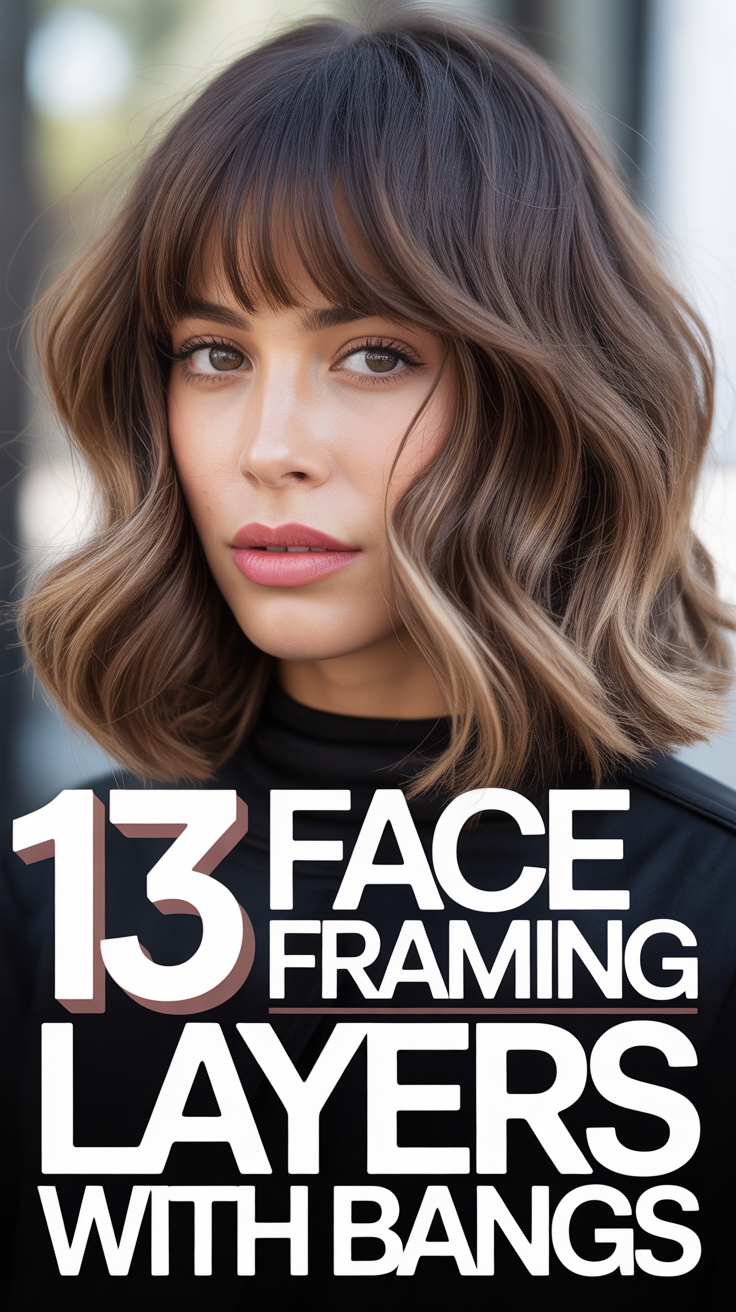
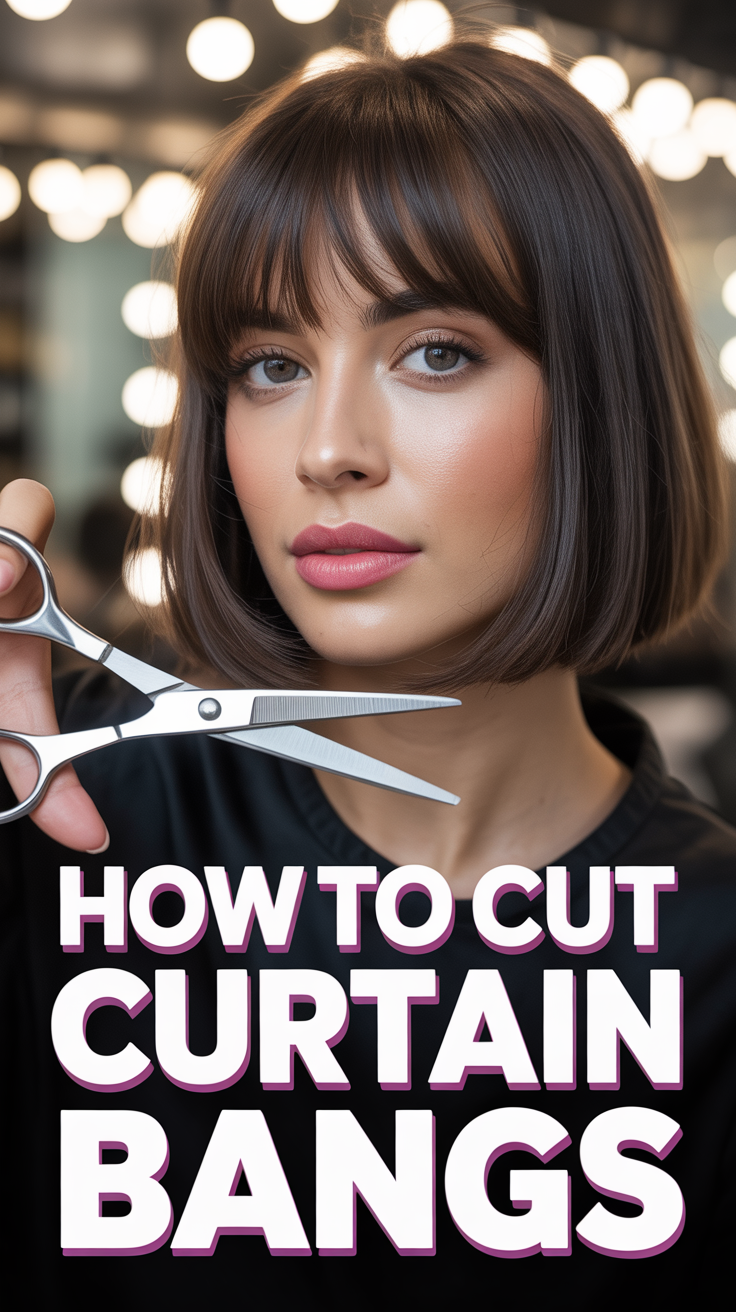
Curtain bangs have taken the beauty world by storm, and for good reason. This effortlessly chic, face-framing style offers a perfect blend of sophistication and playful charm, making it a versatile choice that complements almost every face shape and hair type. Whether you’re looking to refresh your look without committing to a full fringe, soften your features, or simply add a touch of retro glamour, curtain bangs are an excellent option. They grow out beautifully, require minimal styling once you get the hang of it, and can instantly elevate your overall aesthetic.
But what if you could achieve this coveted look from the comfort of your own home? Imagine saving time and money on salon visits while gaining the confidence to master a new skill. This comprehensive, step-by-step guide is designed to empower you with the knowledge and techniques needed to cut your own curtain bangs with precision and flair. We’ll walk you through everything from preparing your hair and sectioning it correctly to making the initial cuts and refining your new fringe. With patience, the right tools, and a little bit of courage, you’ll be able to create salon-quality curtain bangs that perfectly frame your face and enhance your natural beauty. Let’s embark on this exciting hair transformation journey together!
What You’ll Need
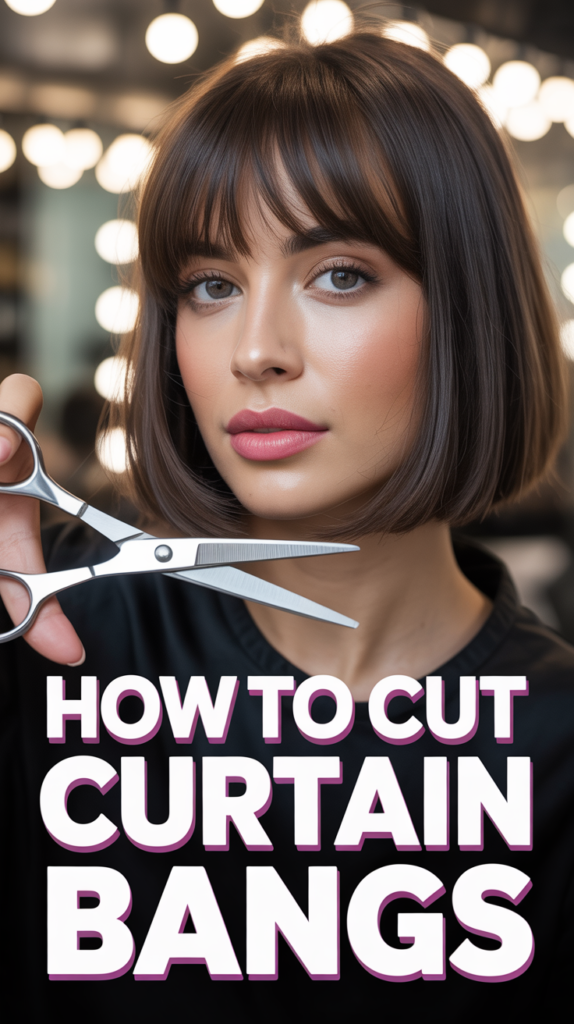
Before you begin your DIY curtain bang adventure, gathering the right tools is crucial. Using proper hair-cutting instruments not only ensures a cleaner, more precise cut but also minimizes damage to your hair. Skimping on quality here can lead to frayed ends and a less polished result. Here’s a detailed list of everything you’ll need:
- Sharp Hair Shears: This is arguably the most important tool. Do NOT use kitchen scissors, craft scissors, or any other type of scissors not specifically designed for cutting hair. Hair shears are sharper and designed to cut cleanly without bending or damaging hair strands, which can lead to split ends and an uneven look. Invest in a good quality pair – they don’t have to be professional-grade, but they should be sharp and dedicated solely to hair.
- Fine-Tooth Comb: A good comb is essential for precise sectioning and ensuring your hair is smooth and tangle-free before each cut. A fine-tooth comb allows for greater accuracy when separating small sections of hair.
- Sectioning Clips: These are vital for keeping the rest of your hair neatly out of the way while you work on your bangs. They prevent accidental cuts and allow you to focus solely on the section you’re trimming. At least two clips are recommended.
- Spray Bottle with Water: While some prefer to cut curtain bangs dry, lightly dampening the hair can help keep it controlled and make it easier to cut precisely. It’s particularly useful for beginners. Ensure the water is clean.
- Hand Mirror (or a Well-Lit Vanity Mirror Setup): You’ll need a clear view of your hair from multiple angles. A large vanity mirror is ideal, but a hand mirror used in conjunction with a wall mirror can help you check for symmetry and evenness. Ensure your cutting area is well-lit.
- Hair Dryer (Optional but Recommended for Styling): Once your bangs are cut, a hairdryer is essential for styling them into their signature swooping shape.
- Round Brush (Optional but Recommended for Styling): A small to medium-sized round brush is key for creating that perfect, voluminous curtain bang effect when blow-drying.
- Hair Ties (Optional): For securing the bulk of your hair further away from your face if clips aren’t enough.
- Towel or Cape (Optional): To protect your clothes and the floor from stray hairs.
Having all these tools ready before you start will make the process smoother and more enjoyable, setting you up for success in achieving your desired curtain bang look.
Step-by-Step Instructions
Cutting your own curtain bangs can feel daunting, but by following these detailed steps, you can achieve a beautiful, professional-looking result. Remember to take your time, cut in small increments, and always prioritize caution.
-
Preparation is Key
Start with Clean, Dry, and Detangled Hair: For beginners, cutting dry hair is often safer. Wet hair appears longer, and once it dries and shrinks, your bangs might end up shorter than intended. If you prefer to cut damp, ensure it’s only slightly misted, not soaking wet. Regardless, make sure your hair is freshly washed, completely dry (or barely damp), and thoroughly detangled to ensure a smooth, even cut. Any tangles can cause unevenness.
Set Up Your Cutting Station: Choose a well-lit area with a large mirror where you can comfortably see your reflection. Lay down a towel or cape to catch fallen hair. Have all your tools within arm’s reach.
-
Sectioning the Hair: The “Triangle” Method
Proper sectioning is critical for the success of your curtain bangs. This method ensures you only cut the hair intended for your bangs, leaving the rest untouched.
- Determine Your Part: For classic curtain bangs, a middle part is typically used as it allows the bangs to frame both sides of your face symmetrically. Use your fine-tooth comb to create a clean, straight middle part from your forehead to the crown of your head.
- Identify the “Triangle” Section: This is the most crucial step for determining the thickness and width of your bangs.
- Place your comb at the arch of your left eyebrow. Draw a straight line upwards towards the top of your head (around the crown area).
- Repeat this on the right side, starting from the arch of your right eyebrow and drawing another straight line upwards to meet the first line.
- The hair within these two lines, forming an ‘A’ or triangle shape at the front of your head, is your bang section. The wider the base of the triangle (closer to your temples), the thicker and fuller your bangs will be. For a softer, more subtle curtain bang, keep the base narrower.
- Secure the Rest of Your Hair: Use your sectioning clips or hair ties to firmly secure all the hair outside of your triangle section. Ensure it’s completely out of the way so you don’t accidentally cut it.
-
Wetting the Section (Optional but Recommended)
If you’re cutting dry, you can skip this step. However, for better control, lightly mist the triangle section with water using your spray bottle. The goal is damp, not dripping wet. This helps the hair stay together and makes it easier to achieve a clean cut.
-
Determining the Length
Curtain bangs typically start shorter in the middle and gradually get longer towards the sides. Visualize where you want the shortest part of your bangs to fall. This is usually around the bridge of your nose, the top of your cheekbones, or just above your jawline. Remember the golden rule: always cut longer than you think you want them to be. You can always trim more, but you can’t add hair back.
-
The First Cut: Creating Your Center Guide
This cut establishes the shortest point of your curtain bangs and acts as your guide for the rest of the trim.
- Isolate a Small Center Piece: Take a very small, thin subsection of hair from the very center of your triangle section. Comb it straight down, directly in front of your nose.
- Twist and Cut: Gently twist this small section of hair once or twice. Twisting helps to create the soft, shortest point in the center and guides the angle for the sides.
- Make the Cut: Hold the twisted section between your index and middle fingers, pulling it taut. Position your sharp hair shears horizontally and make a straight cut across, below your desired shortest length. For example, if you want them to hit the top of your cheekbones, cut just below your nose or upper lip. This is your guide piece.
-
Creating the Angle: Cutting the Side Sections
Now, you’ll use your center guide to create the signature angled swoop of curtain bangs.
- Work on One Side First: Take a section of hair from one side of your center guide. Comb it down smoothly, ensuring it blends with your center guide piece.
- Angle Your Shears: Hold the hair between your index and middle fingers. Position your shears so they are angled downwards, starting from the length of your center guide and gradually extending longer towards the outer edge of your face. You’re essentially creating a diagonal line.
- Cut in Small Increments: Snip away small amounts of hair, following that diagonal line. The goal is to create a soft, gradual angle that sweeps away from your face. The longest point of your bangs will typically fall around your chin or collarbone, depending on your preference.
- Repeat on the Other Side: Release the hair on the other side. Comb it down, ensuring it blends with your center guide. Mirror the angle you created on the first side. Take your time to ensure symmetry.
-
Refining and Softening the Edges (Point Cutting)
Once you have the basic shape, it’s time to soften the edges and add texture, which is crucial for the effortless look of curtain bangs.
- Dry Your Bangs (If Damp): If you cut your bangs damp, now is the time to dry them completely using your hairdryer. This will show you the true length and how they naturally fall.
- Point Cutting Technique: Comb your bangs straight down. Hold your shears vertically (pointing upwards) and gently snip into the very ends of your bangs. Do not cut straight across. Point cutting removes bulk, softens any blunt lines, and creates a more natural, feathered finish. Focus on the areas that feel too heavy or blunt.
- Cross-Check for Evenness: To ensure symmetry, comb all your bangs to one side of your face and check the length. Then comb them to the other side and check again. Make tiny adjustments with point cutting if necessary.
-
Styling Your New Bangs
The magic of curtain bangs often comes alive with proper styling.
- Blow-Dry with a Round Brush: While your bangs are still slightly damp, use a small to medium round brush and your hairdryer.
- First, blow-dry your bangs forward and down, brushing them from side to side to remove excess moisture and create volume at the root.
- Next, take sections of your bangs and roll them upwards and backwards with the round brush, directing the airflow from your roots to ends. This creates the classic swooping, outward curl.
- Alternatively, for a simpler swoop, you can divide your bangs into two sections (left and right). With your round brush, roll the left section away from your face and the right section away from your face, drying as you go.
- Finish with a Light Hold Product: A touch of dry shampoo for volume, a light hairspray for hold, or a texturizing spray can help your bangs maintain their shape throughout the day.
- Blow-Dry with a Round Brush: While your bangs are still slightly damp, use a small to medium round brush and your hairdryer.
Pro Tips
Achieving the perfect curtain bangs at home requires a blend of technique and a few insider tricks. Here are some expert tips to help you get the best possible results and ensure your new fringe looks salon-perfect:
-
Always Cut Dry (Especially for Beginners): While some seasoned stylists might cut wet, for those new to DIY hair cutting, working with dry hair is significantly safer. Wet hair stretches and appears longer, leading to the common mistake of cutting too much off. Once dry, the hair shrinks, and your bangs might end up much shorter than intended. Cutting dry allows you to see the true length and how the hair naturally falls, giving you greater control over the final outcome.
-
Start Longer, Go Shorter: This cannot be stressed enough. It’s far easier to snip off a little more hair than to wait for it to grow back. Begin by cutting your guide piece a bit longer than your desired final length. Then, gradually trim in tiny increments, checking the length and shape frequently. Patience is your best friend in this process.
-
Use Sharp, Dedicated Hair Shears: This is a non-negotiable. Dull scissors or those not designed for hair (like kitchen or craft shears) will not cut cleanly. Instead, they will bend, push, and fray the hair, leading to split ends and an uneven, damaged look. Invest in a decent pair of sharp hair-cutting shears; they make a world of difference in achieving a precise, healthy-looking cut.
-
Sectioning is Crucial for Symmetry and Volume: The “triangle” sectioning method is key to creating well-balanced curtain bangs. Pay close attention to the width of your triangle. A wider base (extending closer to your temples) will result in fuller, more dramatic bangs, while a narrower base will yield a softer, more subtle fringe. Proper sectioning also ensures that you’re only cutting the hair intended for your bangs, preventing accidental snips into your longer layers.
-
Embrace Point Cutting for Softness: For curtain bangs, avoid blunt, straight-across cuts. The goal is a soft, feathered, and blended look. After establishing your initial length and angle, use the point cutting technique (holding your shears vertically and snipping into the ends) to remove bulk, soften any harsh lines, and add texture. This technique helps the bangs fall more naturally and blend seamlessly with the rest of your hair.
-
Use a Mirror Setup for All Angles: A single bathroom mirror might not be enough. Position a hand mirror behind you to see the back of your head and check for symmetry from different angles. A well-lit area is also essential to ensure you can clearly see what you’re doing and avoid shadows that might obscure your view.
Common Mistakes to Avoid
Embarking on a DIY hair transformation can be exciting, but it’s also ripe for common pitfalls. Being aware of these mistakes beforehand can save you from frustration and an unwanted haircut. Here’s what NOT to do when cutting your curtain bangs:
-
Using the Wrong Scissors: This is perhaps the most frequent and damaging mistake. Household scissors (kitchen, craft, paper) are not designed for hair. Their blades are often duller and thicker, which crushes and frays hair strands rather than cutting them cleanly. This leads to split ends, an uneven texture, and can make your hair look unhealthy. Always use sharp, professional-grade hair shears.
-
Cutting Too Much Hair at Once: Patience is paramount. Attempting to cut a large chunk of hair in one go significantly increases the risk of unevenness and cutting them too short. Instead, take very small sections, make tiny snips, and continuously check your progress. Remember, you can always cut more, but you can’t put hair back.
-
Cutting Wet Hair if You’re a Beginner: As discussed in the pro tips, wet hair stretches and appears longer than it truly is. Once it dries, it retracts, often resulting in bangs that are unexpectedly short. If you’re new to cutting your own hair, stick to dry or barely damp hair for greater control and accurate length assessment.
-
Incorrect Sectioning (Too Much or Too Little Hair): The “triangle” section is crucial for defining your bangs. If you section off too much hair, your bangs will look overly thick and heavy, potentially overwhelming your face. If you section too little, they might appear sparse and not provide the desired face-framing effect. Pay close attention to the arch of your eyebrows as your guide for width.
-
Cutting a Straight, Blunt Line: Curtain bangs are characterized by their soft, angled, and feathered appearance. Cutting a straight, blunt line will result in a harsh, blocky fringe that doesn’t flow naturally. Always aim for a diagonal angle that gradually lengthens towards the outer edges of your face, and use point cutting to soften the ends.
-
Not Drying Before Finalizing the Cut: If you’ve cut your bangs damp, it’s essential to dry them completely before making any final adjustments. Hair behaves differently when wet versus dry. Drying them allows you to see the true length, how they fall naturally, and if any further shaping or softening is needed.
-
Rushing the Process: Hair cutting is not a race. Take your time with each step, especially sectioning and making the initial cuts. Rushing can lead to mistakes, unevenness, and a result you’re not happy with. Put on some music, relax, and enjoy the process.
FAQ
Even with a detailed guide, you might have lingering questions. Here are some common queries about cutting and maintaining curtain bangs:
-
What face shapes do curtain bangs suit best?
One of the greatest advantages of curtain bangs is their universal appeal. They are incredibly versatile and flatter almost every face shape. They are particularly well-suited for:
- Oval Faces: They enhance the natural symmetry.
- Long Faces: They can help shorten the appearance of a longer face by adding width and drawing attention to the cheekbones.
- Heart-Shaped Faces: They soften a wider forehead and balance a narrower chin.
- Square Faces: The soft, angled lines help to soften strong jawlines and angular features.
- Round Faces: When cut with enough length to sweep past the cheekbones, they can create the illusion of more definition and length.
The key is often in the length and how they are styled to complement your specific features.
-
How often do I need to trim curtain bangs?
The frequency of trims largely depends on how quickly your hair grows and your preferred length. Generally, curtain bangs need to be trimmed every 3 to 6 weeks to maintain their shape and keep them out of your eyes. Because they are designed to grow out gracefully, you might be able to stretch the time between trims a bit longer than a traditional blunt fringe. When they start to become too long, you can follow the same cutting steps, using your previous cut as a guide.
-
Can I cut curtain bangs if I have curly hair?
Absolutely! Curtain bangs look fantastic on curly hair, adding a beautiful frame to the face and embracing natural texture. However, there are a few important considerations:
- Cut Dry: Always cut curly hair when it’s completely dry and in its natural curl pattern. Curly hair shrinks significantly more than straight hair, so cutting it wet will almost certainly result in bangs that are too short once dry.
- Account for Shrinkage: When determining your desired length, remember that curls will spring up. Aim for a longer initial cut than you would for straight hair.
- Cut Curl by Curl: Instead of cutting straight across, you might find it easier to snip into individual curl clumps, following their natural shape, to create the desired angle and softness.
Embrace your curls and enjoy the softer, more playful look curtain bangs provide!
-
What if I mess up?
Don’t panic! Even experienced stylists can have off days. If you find your curtain bangs aren’t quite what you envisioned, remember that it’s just hair, and it will grow back. Here are a few options:
- Style Them Differently: Sometimes, a simple change in styling can make a big difference. Try pinning them back, using headbands, or sweeping them to the side.
- Use Accessories: Clips, barrettes, and hats can be your best friends for disguising an imperfect cut while it grows out.
- Visit a Professional: If you’re truly unhappy or the mistake is significant, a professional stylist can often fix or reshape them. They might be able to blend them into existing layers or adjust the length to make them more flattering.
- Embrace the Grow-Out: Curtain bangs are designed to grow out gracefully, often blending into face-framing layers. See it as a journey and enjoy the different lengths as they grow.
✨ The Ultimate Skin & Hair Care Kit
The best makeup in the world cannot hide poorly treated skin or damaged hair. If you want to glow from the inside out, these 5 science-backed formulations and trusted tools are the absolute essential core of any functional, results-driven beauty regimen.
🐌 COSRX Snail Mucin 96% Repair Essence
The Korean skincare secret that completely revolutionized Western beauty routines. Applying this deeply hydrating, lightweight essence absolutely transforms dull, textured skin overnight into a plump, hydrated, and insanely smooth canvas.
🧪 Paula's Choice 2% BHA Liquid Exfoliant
Stop aggressively scrubbing your face. This gentle, leave-on chemical exfoliant sinks deep into pores to dissolve blackheads, visibly shrink enlarged pore size, and effectively erase stubborn acne breakouts without leaving your skin red or irritated.
🩹 Mighty Patch Original Hydrocolloid Stickers
The ultimate emergency fix. When you feel a massive blemish forming, do not pop it! Stick one of these medical-grade patches on overnight and watch it completely absorb all the impurities while protecting the skin from scarring.
💨 Revlon One-Step Volumizer Hot Air Brush
Achieve a massive bouncy, salon-quality blowout at home in literally half the time. This ingenious tool dries, brushes, and heavily volumizes your hair all at once, completely saving your arms from the exhausting juggle of a round brush and heavy dryer.
💧 Olaplex No. 7 Bonding Hair Oil
If you use heat tools or color your hair, this is non-negotiable. This highly concentrated, weightless styling oil instantly tames frizz, dramatically increases shine, and actually repairs broken hair bonds while providing up to 450°F heat protection.
Conclusion
Congratulations! You’ve now been equipped with a comprehensive, step-by-step guide to cutting your own curtain bangs at home. From the essential tools to the nuanced techniques of sectioning, cutting, and refining, you have all the knowledge needed to achieve this popular and flattering hairstyle. We’ve demystified the process, highlighted crucial pro tips, and armed you with an understanding of common mistakes to avoid, ensuring your journey is as smooth and successful as possible.
Remember, the beauty of curtain bangs lies in their versatility and their ability to effortlessly frame and enhance your unique facial features. They offer a stylish update without the full commitment of a traditional fringe, and they grow out beautifully. While the idea of cutting your own hair might seem daunting at first, approaching it with patience, precision, and the right mindset will lead to a rewarding outcome.
So, take a deep breath, gather your tools, and trust in the process. Embrace the opportunity to personalize your look, save on salon visits, and gain the empowering skill of hair styling. Even if your first attempt isn’t absolutely perfect, remember that hair grows back, and practice makes perfect. Go forth, rock your new, fabulous curtain bangs, and enjoy the confidence that comes with mastering your own style!