✨ How To Look Expensive
💄 The Everyday Glamour Routine
You do not need to spend hundreds of dollars at Sephora to achieve a flawless, airbrushed finish. Professional makeup artists secretly rely on these 5 incredible, highly-rated viral drug store dupes and tools to create stunning looks that last all day.
✨ e.l.f. Power Grip Primer
The undisputed holy grail of primers that broke the internet. The unique gel-based formula literally 'grips' onto your foundation, blurring pores and completely preventing your makeup from melting off, creasing, or fading for up to 14 hours.
💧 Real Techniques Miracle Complexion Sponges
Stop applying liquid foundation with brushes that leave streaks. When used slightly damp, these ultra-soft, latex-free sponges seamlessly bounce liquid products into your skin for an incredibly natural, dewy, 'no-makeup' finish.
🖤 Maybelline Sky High Lengthening Mascara
You don't need expensive lash extensions. This wildly popular formula features a flexible tower brush that bends to volumize and extend every single tiny lash from root to tip without flaking, smudging, or weighing your eyes down.
🌟 L'Oreal True Match Lumi Glotion
The ultimate secret for that radiant 'glass skin' look. Use it alone for a sheer, healthy tint on no-makeup days, or mix a tiny drop into your foundation to instantly add an incredibly expensive-looking, natural luminosity to your face.
🌋 Revlon Oil-Absorbing Volcanic Roller
The modern replacement for messy blotting papers. Made from real volcanic stone, this tiny tool fits perfectly in your purse. Simply roll it across your T-zone to instantly absorb excess shine without messing up the makeup underneath.
Imagine walking into a room and commanding attention not through flashy labels, but through an undeniable aura of sophistication, polish, and quiet confidence. Looking “expensive” isn’t about the price tag of your clothes; it’s about cultivating an intentional image that radiates quality, care, and a keen eye for detail. This guide will empower you to transform your personal presentation, elevating your style to convey an image of refined elegance and success, regardless of your budget.

Quick Overview
This guide will walk you through actionable steps to cultivate a polished, high-end aesthetic that projects confidence and sophistication. You’ll learn how to make strategic choices in your wardrobe, grooming, and overall presentation to convey an “expensive” look without necessarily spending a fortune.
Time needed: Initial audit and planning: 2-4 hours. Ongoing implementation and refinement: A continuous process.
Difficulty: Intermediate
What you’ll need: Your current wardrobe, a full-length mirror, basic tailoring supplies (or a local tailor’s contact), neutral-colored clothing staples, quality accessories, and personal grooming essentials.
Step-by-Step Instructions
Step 1: Declutter & Define Your Signature Style
The foundation of an expensive look is a curated wardrobe that reflects your personal aesthetic, not fleeting trends. Start by ruthlessly decluttering your closet. Remove anything ill-fitting, damaged, or that you haven’t worn in over a year. Once you have a clean slate, identify your core style preferences. Do you lean classic, minimalist, bohemian, or edgy? Create a mood board (physical or digital) of looks, colors, and textures that resonate with you and embody the “expensive” aesthetic you admire. This clarity will prevent impulse buys and ensure every new addition serves a purpose.
Pro tip: When decluttering, ask yourself: “Does this item make me feel confident and polished?” If the answer isn’t a resounding yes, it’s time to let it go. Focus on quality over quantity.
Step 2: Prioritize Impeccable Fit & Fabric Quality
Nothing screams “cheap” louder than ill-fitting clothes or flimsy fabrics. The single most impactful change you can make is to ensure every garment fits you perfectly. This often means investing in tailoring. A well-tailored piece, even an inexpensive one, will look infinitely more expensive than an off-the-rack designer item that sags or bunches. Beyond fit, pay close attention to fabric composition. Opt for natural fibers like cotton, linen, silk, wool, and cashmere, or high-quality blends. These fabrics drape better, wear longer, and have a luxurious feel and appearance compared to synthetic alternatives like cheap polyester.
Pro tip: Learn basic alterations like hemming pants or taking in a waist. For more complex adjustments, find a trusted local tailor. It’s a small investment that yields huge returns in perceived value.
Step 3: Embrace a Sophisticated Color Palette
While vibrant colors have their place, a sophisticated and expensive look often relies on a carefully chosen neutral color palette. Think classic shades like black, white, ivory, navy, camel, grey, and deep forest green or burgundy. These colors are inherently elegant, easy to mix and match, and create a cohesive, polished appearance. When you do incorporate color, choose rich, muted tones rather than bright, neon hues. A monochromatic outfit (different shades of the same color) is a particularly powerful way to create an expensive, elongated, and chic silhouette.
Pro tip: Build your wardrobe around 3-5 core neutrals. This makes mixing and matching effortless and ensures your outfits always look cohesive and thoughtfully put together.
Step 4: Invest Strategically in Timeless Accessories
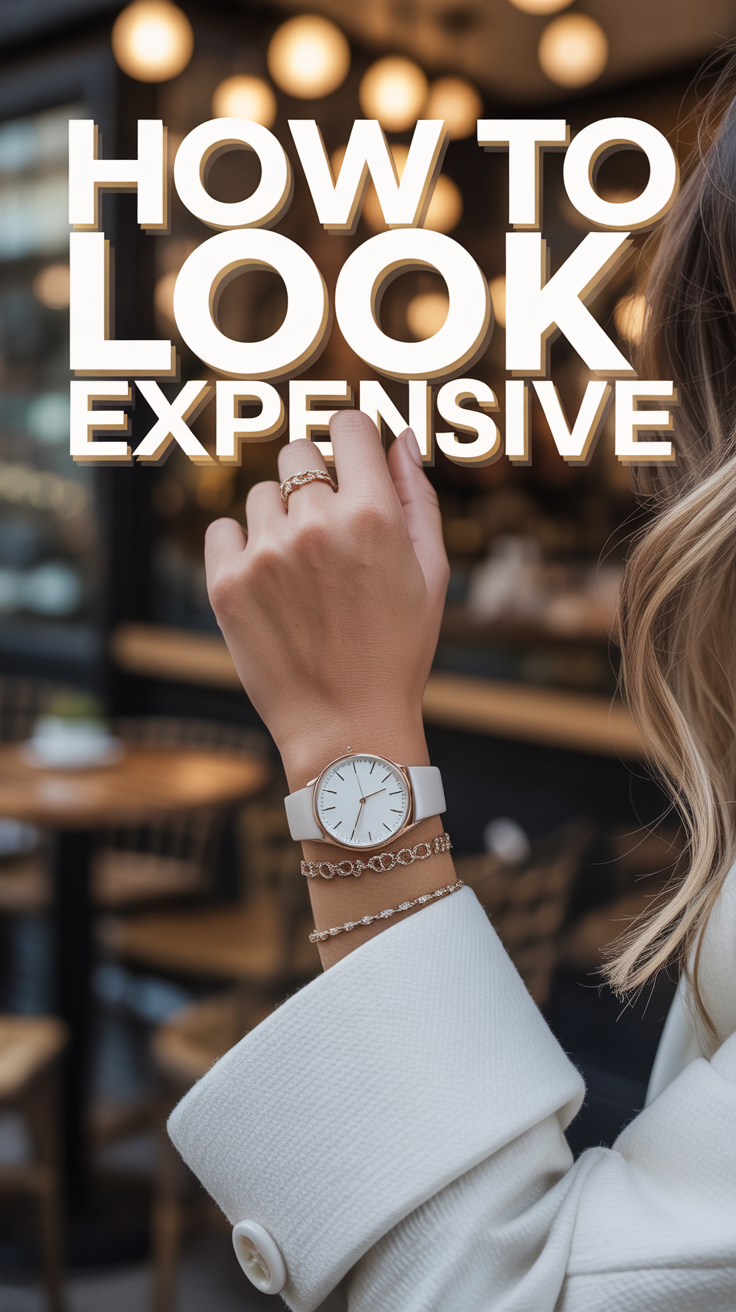
Accessories are where you can truly elevate an outfit from ordinary to extraordinary. Instead of buying many trendy, inexpensive pieces, invest in a few high-quality, timeless accessories. This includes a well-structured handbag (leather or high-quality vegan leather), classic shoes (loafers, pumps, simple boots), a quality watch, and understated jewelry. Look for clean lines, minimal branding, and durable materials. A classic silk scarf, a good belt, or a pair of sophisticated sunglasses can also instantly upgrade your look.
Pro tip: When choosing accessories, think about their versatility. Can this handbag go from day to night? Will these shoes complement multiple outfits? Opt for pieces that offer maximum styling mileage.
Step 5: Master the Art of Grooming & Personal Presentation
Your personal grooming is just as crucial as your clothing choices, if not more so. An “expensive” look is incomplete without impeccable grooming. This means well-maintained hair (clean, styled, and perhaps a fresh cut), clear skin (a consistent skincare routine helps), neat nails (clean, trimmed, and perhaps a nude or clear polish), and a subtle, pleasant scent. Pay attention to details like lint-free clothes, polished shoes, and a fresh breath. Good posture also plays a significant role in how you carry yourself and your clothes, projecting confidence and elegance.
Pro tip: Develop a consistent, simple grooming routine that you can stick to daily. It doesn’t have to be elaborate; consistency is key to always looking put-together.
Step 6: Focus on Quality Basics, Not Fast Fashion Trends
Resist the urge to constantly chase fast fashion trends. While it’s fun to incorporate a few trendy pieces, the foundation of an expensive wardrobe is built upon high-quality basics. Think perfectly fitting t-shirts, crisp button-downs, tailored trousers, classic blazers, and simple knitwear. These foundational pieces are the workhorses of your closet, and investing in their quality means they’ll last longer, look better, and provide endless styling opportunities. Fast fashion often uses cheaper materials and construction, which deteriorates quickly and looks worn out after a few washes.
Pro tip: Shop during sales seasons or explore consignment stores for high-quality basic items at a fraction of their original price. Look for classic cuts that won’t go out of style.
Step 7: Practice Diligent Garment Care
Even the most expensive clothes will look cheap if they are wrinkled, stained, or poorly maintained. Meticulous garment care is non-negotiable for an expensive aesthetic. Learn how to properly wash, dry, and store different fabrics. Invest in a good steamer or iron to ensure your clothes are always wrinkle-free. Promptly address any stains, loose threads, or missing buttons. Store delicate items properly, use good hangers, and consider professional dry cleaning for specific items. A well-cared-for wardrobe signals that you value your possessions and, by extension, yourself.
Pro tip: Read care labels carefully. Using garment bags for delicate items and cedar blocks for woolens can extend the life and pristine condition of your clothes.
Step 8: Pay Attention to Every Detail
The difference between looking good and looking expensive often lies in the small, often overlooked details.
Hardware: Check zippers, buttons, and buckles on clothing and accessories. Cheap, tarnished, or plastic hardware can instantly cheapen an item. Look for sturdy metal hardware.
Lining: A well-constructed garment often has a quality lining.
Undergarments: Ensure your undergarments are seamless, the correct size, and don’t show through your clothing.
Scent: A signature, subtle fragrance can leave a lasting impression.
Footwear: Always clean and polish your shoes. Scuffed or dirty shoes can ruin an otherwise perfect outfit.
These subtle touches collectively contribute to an overall impression of polish and thoughtfulness.
Pro tip: Before leaving the house, do a quick “mirror check” – examine yourself from all angles for any visible tags, loose threads, or forgotten details.
Step 9: Cultivate Confidence & Poise
Ultimately, the most expensive thing you can wear is confidence. How you carry yourself, your posture, your eye contact, and your demeanor all contribute to the “expensive” aura. Stand tall, walk with purpose, and engage with others genuinely. A relaxed, self-assured presence elevates any outfit, making you appear more refined and successful. True elegance comes from within, radiating outwards. Investing in your self-esteem and inner well-being will naturally enhance your outward presentation.
Pro tip: Practice good posture daily. Imagine a string pulling you up from the crown of your head. This simple adjustment can instantly make you appear more poised and confident.
Common Mistakes to Avoid
1. Over-accessorizing or Wearing Too Many Logos: Less is often more. Piling on too much jewelry, too many trendy accessories, or flashing overt designer logos can look ostentatious and detract from a sophisticated aesthetic.
Why it’s problematic: It can appear like you’re trying too hard to prove wealth rather than exuding natural elegance. Excessive branding screams “I bought this to show off,” not “I have discerning taste.”
The correct approach: Choose one or two focal accessories that are high-quality and understated. Let the quality of the item speak for itself, not the brand name.
2. Ignoring Fit and Tailoring: Clothes that are too baggy, too tight, or too long instantly cheapen your look, regardless of their actual cost.
Why it’s problematic: Poor fit makes you look disheveled and uncaring about your appearance. It suggests you haven’t put thought into your presentation.
The correct approach: Prioritize tailoring. Even inexpensive garments can look custom-made with simple alterations. Understand your body shape and buy clothes that flatter it.
3. Neglecting Grooming and Personal Care: A pristine outfit can be undermined by messy hair, chipped nail polish, untrimmed facial hair, or scuffed shoes.
Why it’s problematic: It creates a disconnect between your clothing efforts and your overall presentation, suggesting an incomplete or rushed approach to self-care.
The correct approach: Maintain a consistent grooming routine. Ensure your hair, skin, nails, and general hygiene are impeccable. Pay attention to the small details that complete your look.
4. Chasing Fast Fashion Trends Instead of Building a Foundation: Constantly buying into fleeting trends leads to a closet full of items that quickly look outdated and are often made from low-quality materials.
Why it’s problematic: Your wardrobe lacks cohesion and longevity. You’ll constantly feel like you have nothing to wear and that your clothes quickly look “old.”
The correct approach: Build a strong foundation of high-quality, timeless basics in a versatile color palette. Incorporate trends sparingly with accessories or one key piece.
5. Poor Garment Care: Wrinkled, stained, faded, or pilled clothing immediately signals a lack of care and attention.
Why it’s problematic: It makes even expensive items look worn out and neglected, eroding the perception of quality and value.
The correct approach: Learn proper care instructions for your garments. Iron or steam clothes, address stains promptly, and store items correctly to maintain their pristine condition.
Troubleshooting
1. “I don’t have a big budget for new clothes.”
Solution: Focus on quality over quantity. Instead of buying many cheap items, save up for one or two high-quality pieces (like a classic blazer or a leather bag) that will elevate your existing wardrobe. Explore second-hand luxury stores, consignment shops, or online marketplaces for designer items at a fraction of the cost. Prioritize tailoring your existing clothes to fit perfectly.
2. “I feel like I’m trying too hard or look too formal for everyday.”
Solution: The goal is polish, not stiffness. Simplify your outfits. Combine a tailored piece with something more casual, like a crisp white t-shirt with tailored trousers and a blazer, or a silk blouse with well-fitting jeans. Focus on neutral colors and clean lines. Comfort and authenticity are key – if you’re uncomfortable, it will show.
3. “My clothes still look cheap even after following the steps.”
Solution: Re-evaluate the trifecta: fit, fabric, and care. Is the item truly tailored to your body? Are the fabrics natural or high-quality blends? Are your clothes always wrinkle-free, stain-free, and well-maintained? Also, check the hardware (buttons, zippers) – sometimes a quick replacement of cheap plastic buttons with metal ones can make a huge difference. Don’t forget the power of grooming and posture to complete the look.
Key Takeaways
Looking expensive is about strategic choices, not just price tags.
Impeccable fit and quality fabrics are paramount.
A neutral, cohesive color palette forms a sophisticated foundation.
Invest in a few timeless, high-quality accessories.
Meticulous grooming and personal presentation are non-negotiable.
Prioritize quality basics over fleeting trends.
Diligent garment care extends the life and appearance of your wardrobe.
Attention to small details significantly elevates your overall look.
Confidence and poise are the ultimate accessories.
Frequently Asked Questions
Q: Does “looking expensive” mean I have to buy designer brands?
A: Absolutely not. While some designer pieces can offer quality, the “expensive” look is primarily achieved through fit, fabric, care, and overall presentation, not overt branding. Many high-street brands offer quality items that can look luxurious with proper styling and tailoring.
Q: Can I achieve an expensive look on a tight budget?
A: Yes! Focus on tailoring your current wardrobe, meticulous garment care, investing in a few versatile, high-quality basics (even second-hand), and maintaining impeccable grooming. Strategic shopping during sales or at thrift stores can also yield great finds.
Q: How important is jewelry in achieving an expensive look?
A: Jewelry can significantly elevate a look, but subtlety is key. Opt for classic, understated pieces like simple gold or silver earrings, a delicate necklace, or a quality watch. Avoid overly flashy or costume jewelry that can detract from a sophisticated aesthetic. Quality over quantity.
Q: Is an expensive look only about clothes?
A: No, it’s a holistic approach. While clothing is a major component, grooming (hair, skin, nails), posture, confidence, and even the way you carry yourself contribute significantly to the overall impression of sophistication and “expensiveness.” It’s about cultivating a polished presence.
What’s Next?
Now that you have the blueprint for cultivating an expensive aesthetic, it’s time to take action! Start by dedicating an afternoon to auditing your wardrobe and identifying your signature style. Experiment with a monochromatic outfit using items you already own. Focus on one new grooming habit this week. Remember, this is a journey of refinement, not a one-time fix. Continue to learn, observe, and adapt these principles to truly embody an expensive and confident presence. Your elevated style awaits!