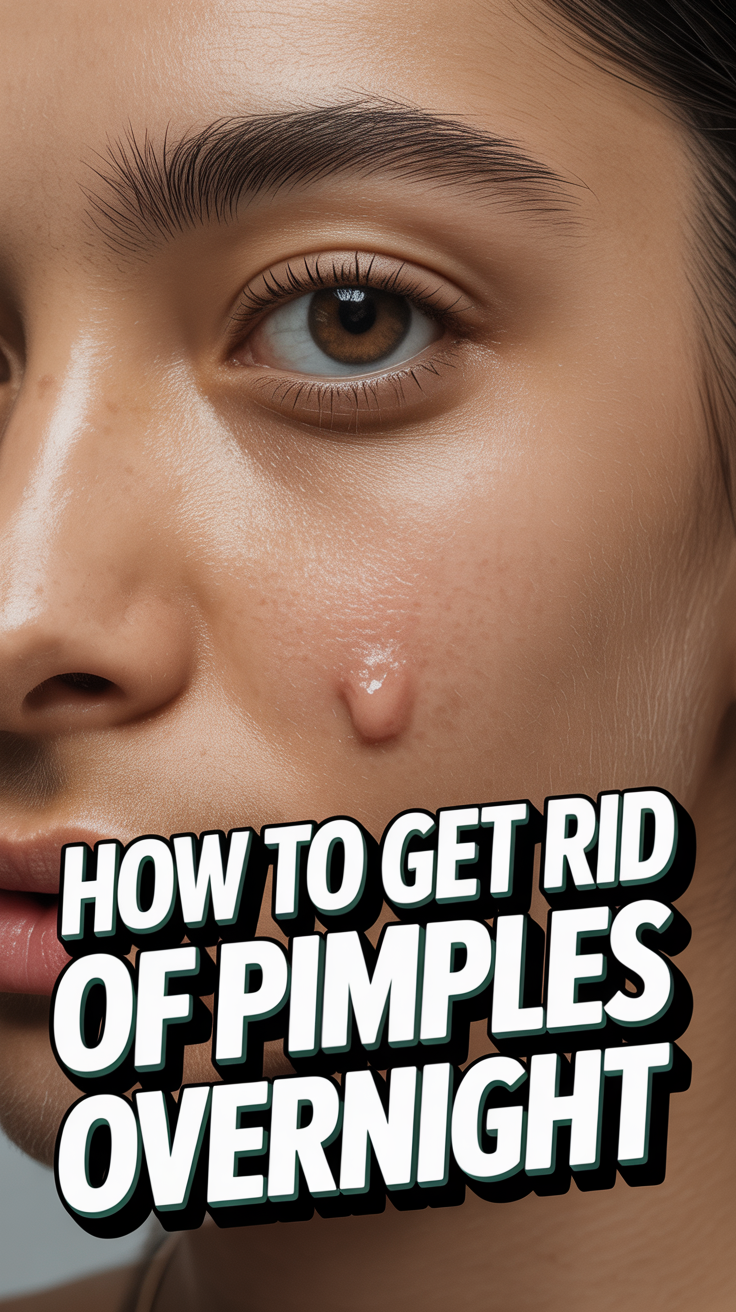
✨ How To Get Rid Of Pimples Overnight
💄 The Everyday Glamour Routine
You do not need to spend hundreds of dollars at Sephora to achieve a flawless, airbrushed finish. Professional makeup artists secretly rely on these 5 incredible, highly-rated viral drug store dupes and tools to create stunning looks that last all day.
✨ e.l.f. Power Grip Primer
The undisputed holy grail of primers that broke the internet. The unique gel-based formula literally 'grips' onto your foundation, blurring pores and completely preventing your makeup from melting off, creasing, or fading for up to 14 hours.
💧 Real Techniques Miracle Complexion Sponges
Stop applying liquid foundation with brushes that leave streaks. When used slightly damp, these ultra-soft, latex-free sponges seamlessly bounce liquid products into your skin for an incredibly natural, dewy, 'no-makeup' finish.
🖤 Maybelline Sky High Lengthening Mascara
You don't need expensive lash extensions. This wildly popular formula features a flexible tower brush that bends to volumize and extend every single tiny lash from root to tip without flaking, smudging, or weighing your eyes down.
🌟 L'Oreal True Match Lumi Glotion
The ultimate secret for that radiant 'glass skin' look. Use it alone for a sheer, healthy tint on no-makeup days, or mix a tiny drop into your foundation to instantly add an incredibly expensive-looking, natural luminosity to your face.
🌋 Revlon Oil-Absorbing Volcanic Roller
The modern replacement for messy blotting papers. Made from real volcanic stone, this tiny tool fits perfectly in your purse. Simply roll it across your T-zone to instantly absorb excess shine without messing up the makeup underneath.
Waking up to an unwelcome zit can be a truly frustrating experience, especially when you have an important event, a presentation, or simply want to feel confident in your own skin. That sudden, red, throbbing spot seems to appear out of nowhere, threatening to derail your day (or night!). The good news is that while completely erasing a deeply embedded pimple overnight might be an ambitious goal, significantly reducing its size, redness, and inflammation in a matter of hours is often achievable with the right approach and targeted treatments.
This comprehensive guide is designed to equip you with the knowledge and practical steps to tackle those pesky pimples effectively and swiftly. We’ll delve into the science behind common treatments, explore natural alternatives, and provide a clear, step-by-step regimen to help you wake up to noticeably clearer skin. From understanding the best ingredients to avoid common pitfalls, you’ll learn how to implement an overnight strategy that minimizes irritation and maximizes results. Prepare to arm yourself with the ultimate overnight pimple-fighting arsenal!
What You’ll Need
Before you begin your overnight pimple eradication mission, gathering the right tools and products is crucial. Having everything at hand ensures a smooth, effective process without interruptions. Here’s a list of essentials:
- Gentle Cleanser: A mild, non-comedogenic face wash that won’t strip your skin of its natural oils or cause further irritation. Look for formulas free of harsh sulfates or strong fragrances.
- Targeted Treatment (OTC):
- Salicylic Acid (0.5% – 2%): An oil-soluble beta-hydroxy acid (BHA) that exfoliates inside the pore, dissolving sebum and dead skin cells.
- Benzoyl Peroxide (2.5% – 10%): An antiseptic that kills acne-causing bacteria and helps shed dead skin cells. Start with a lower concentration to minimize irritation.
- Natural Alternatives (Optional/Supplemental):
- Tea Tree Oil (100% pure, essential oil): A powerful antiseptic and anti-inflammatory. Always dilute it before use.
- Aloe Vera Gel (100% pure): Soothing, anti-inflammatory, and hydrating.
- Hydrocolloid Patches: Small, adhesive dressings that absorb fluid from pimples, protect the area, and promote healing.
- Non-Comedogenic Moisturizer: A lightweight, oil-free moisturizer to keep your skin hydrated without clogging pores.
- Cotton Swabs or Q-tips: For precise application of spot treatments.
- Clean, Soft Towel: For gently patting your face dry.
Having these items ready will ensure you can execute each step of the overnight treatment efficiently and effectively.
Step-by-Step Instructions
Getting rid of a pimple overnight requires a strategic, multi-pronged approach that focuses on cleansing, targeted treatment, and protection. Follow these detailed steps carefully for the best possible results:
-
Step 1: Gentle Cleansing – The Foundation for Treatment
The very first and most critical step is to thoroughly cleanse your face. This removes makeup, dirt, oil, and impurities that can exacerbate a pimple and prevent treatments from penetrating effectively.
- Wash Your Hands: Always start with clean hands to avoid transferring more bacteria to your face.
- Use a Gentle Cleanser: Wet your face with lukewarm water. Dispense a small amount of your chosen gentle cleanser into your palm and work it into a lather.
- Massage Gently: Apply the cleanser to your face, using your fingertips to gently massage it in circular motions for about 60 seconds. Pay extra attention to areas prone to breakouts, but avoid aggressive scrubbing, especially around the pimple itself, as this can increase inflammation.
- Rinse Thoroughly: Rinse your face completely with lukewarm water, ensuring no cleanser residue is left behind.
- Pat Dry: Gently pat your face dry with a clean, soft towel. Avoid rubbing, which can irritate the skin.
Why it matters: A clean canvas allows active ingredients to work directly on the pimple without being hindered by barriers of dirt or oil. Lukewarm water is ideal as hot water can strip natural oils, leading to dryness, while cold water may not effectively open pores.
-
Step 2: Targeted Treatment – Applying the Active Ingredients
Now that your skin is clean, it’s time to apply a spot treatment directly to the pimple. This step delivers concentrated active ingredients to reduce inflammation and fight bacteria.
- Choose Your Weapon: Select either a Salicylic Acid or Benzoyl Peroxide spot treatment.
- Patch Test (If New): If you’ve never used the product before, apply a tiny amount to an inconspicuous area (like behind your ear) a few hours prior to check for any adverse reactions.
- Apply Precisely: Using a clean cotton swab or your clean fingertip, apply a very thin layer of the spot treatment directly onto the pimple. Do not spread it over the entire face, as this can cause unnecessary dryness or irritation to unaffected skin.
- Let it Absorb: Allow the treatment to fully dry and absorb into the skin before moving on to the next step. This usually takes a few minutes.
Ingredient Breakdown:
- Salicylic Acid: Works by gently exfoliating the skin and penetrating oil glands to unclog pores. It’s excellent for blackheads, whiteheads, and inflamed pimples.
- Benzoyl Peroxide: A powerful ingredient that kills acne-causing bacteria (P. acnes) and helps shed dead skin cells. It’s particularly effective for red, inflamed pustules. Be aware that it can bleach fabrics, so use an old pillowcase or towel.
Important: Do not combine Salicylic Acid and Benzoyl Peroxide directly on the same spot simultaneously unless specifically instructed by a dermatologist, as this can lead to excessive irritation.
-
Step 3: Natural Alternatives (Optional/Supplemental)
If you prefer natural remedies or want to supplement your OTC treatment, certain natural ingredients can offer soothing and anti-inflammatory benefits.
- Diluted Tea Tree Oil:
- Dilution is Key: Never apply pure tea tree oil directly to your skin. Mix 1-2 drops of 100% pure tea tree oil with 10-12 drops of a carrier oil (like jojoba oil, almond oil, or even aloe vera gel).
- Apply Locally: Using a fresh cotton swab, dab the diluted mixture onto the pimple.
- Why it works: Tea tree oil has proven antiseptic and anti-inflammatory properties that can help reduce redness and swelling.
- Aloe Vera Gel:
- Pure Aloe: Apply a small amount of pure aloe vera gel directly to the pimple and surrounding inflamed area.
- Why it works: Aloe vera is renowned for its soothing and healing properties. It can reduce redness, calm irritation, and help prevent post-inflammatory hyperpigmentation. It’s a great option after a more aggressive spot treatment to soothe the skin.
Note: While natural, these ingredients can still cause reactions. Always perform a patch test first.
- Diluted Tea Tree Oil:
-
Step 4: Hydrocolloid Patches – The Overnight Protector
Hydrocolloid patches are a game-changer for overnight pimple treatment. They create an optimal healing environment and protect the pimple.
- Choose the Right Size: Select a patch that is slightly larger than your pimple.
- Apply to Dry Skin: Ensure your skin is completely dry where you intend to place the patch. If your spot treatment is still wet, the patch won’t adhere properly.
- Press Firmly: Carefully peel the patch from its backing and gently press it onto the pimple, ensuring good adhesion.
- Leave Overnight: These patches are designed to be left on for several hours, typically 6-8 hours or overnight.
Why they work wonders: Hydrocolloid patches absorb excess fluid (pus and oil) from the pimple, flattening it and reducing inflammation. They also create a moist healing environment, prevent you from picking at the pimple, and protect it from external bacteria and dirt while you sleep.
-
Step 5: Moisturize – Essential for Skin Barrier Health
Even when dealing with a pimple, moisturizing is a non-negotiable step. Skipping it can lead to dryness, irritation, and even increased oil production as your skin tries to compensate.
- Choose Non-Comedogenic: Use a lightweight, oil-free, and non-comedogenic moisturizer. This means it won’t clog your pores.
- Apply Gently: Take a pea-sized amount and gently spread it over your entire face, avoiding direct contact with the hydrocolloid patch (if you’re using one) or being very careful around the spot-treated area.
Why it matters: Spot treatments, especially Benzoyl Peroxide, can be drying. Moisturizing helps to maintain your skin’s natural barrier, keeping it hydrated and supple. A healthy skin barrier is crucial for effective healing and preventing further breakouts.
-
Step 6: Don’t Touch or Pop – The Golden Rule
This is perhaps the most challenging but crucial step. Once your treatments are applied, resist the urge to touch, squeeze, or pop the pimple.
- Hands Off: Keep your hands away from your face, especially the treated area.
- Why it’s vital: Popping a pimple can push bacteria deeper into the skin, leading to more inflammation, infection, longer healing times, and potentially permanent scarring or dark spots (post-inflammatory hyperpigmentation). Let the treatments do their work.
-
Step 7: Morning After Care
The next morning, gently remove the hydrocolloid patch (if used). You’ll likely see a white substance on the patch, indicating it absorbed fluid. Then:
- Gentle Cleanse: Wash your face again with your gentle cleanser to remove any residual product or overnight accumulation.
- Assess and Reapply: Observe the pimple. It should be significantly reduced in size and redness. If needed, you can reapply a thin layer of your spot treatment.
- Moisturize and SPF: Follow with your non-comedogenic moisturizer and, critically, apply a broad-spectrum sunscreen with an SPF of 30 or higher. Spot treatments can make your skin more sensitive to the sun.
By diligently following these steps, you give your skin the best possible chance to recover and significantly diminish that unwelcome pimple overnight.
Pro Tips
Beyond the step-by-step guide, these expert tips can further enhance your results and promote overall skin health:
- Patch Test New Products: Always, always patch test any new product, especially active ingredients like Salicylic Acid or Benzoyl Peroxide, on a small, inconspicuous area of your skin (e.g., behind the ear or on your jawline) 24-48 hours before applying it to your face. This helps prevent widespread allergic reactions or severe irritation.
- Consistency Over Aggression: While the goal is “overnight,” consistency with a gentle skincare routine is more effective than aggressive, one-off treatments. Over-treating or using too many harsh products can strip your skin, compromise its barrier, and lead to more breakouts or irritation. Stick to the recommended usage for each product.
- Change Pillowcases Regularly: Your pillowcase accumulates oil, dead skin cells, and bacteria from your hair and face. Change your pillowcase every 2-3 days, or even nightly if you’re prone to severe breakouts, to minimize the transfer of impurities back onto your skin. Silk or satin pillowcases can also be gentler on the skin.
- Hydration and Diet: What you put into your body can reflect on your skin. Ensure you’re drinking plenty of water throughout the day to keep your skin hydrated from within. While the link between diet and acne is complex and varies by individual, some find that reducing processed sugars, dairy, or high-glycemic foods can help manage breakouts. Focus on a balanced diet rich in fruits, vegetables, and lean proteins.
- Stress Management: Stress can trigger hormonal fluctuations that lead to increased oil production and inflammation, making breakouts worse. Incorporate stress-reducing activities into your daily routine, such as meditation, yoga, light exercise, reading, or spending time in nature. A calm mind often contributes to calmer skin.
Common Mistakes to Avoid
While trying to get rid of a pimple quickly, it’s easy to fall into common traps that can worsen the situation. Being aware of these mistakes will help you protect your skin and achieve better results:
- Popping or Squeezing Pimples: This is arguably the biggest mistake. Manual extraction can push bacteria deeper into the pore, cause further inflammation, lead to infection, and significantly increase the risk of post-inflammatory hyperpigmentation (dark spots) or permanent scarring. Let treatments work their magic and keep your hands off.
- Using Harsh or Abrasive Products: Reaching for aggressive scrubs, alcohol-based toners, or multiple strong active ingredients at once can strip your skin’s natural barrier, leading to excessive dryness, redness, and irritation. This can trigger more oil production as your skin tries to compensate, potentially causing more breakouts. Stick to gentle cleansers and targeted treatments.
- Sleeping with Makeup On: Leaving makeup on overnight clogs pores, traps bacteria, and prevents your skin from breathing and repairing itself. Always thoroughly cleanse your face before bed, especially when you have an active breakout.
- Skipping Moisturizer: Many people believe that oily or acne-prone skin doesn’t need moisturizer. However, this is a myth. Active treatments can be drying, and skipping moisturizer can lead to a compromised skin barrier, increased sensitivity, and even more oil production. Always use a lightweight, non-comedogenic moisturizer.
- Applying Undiluted Essential Oils: While some essential oils like tea tree oil have beneficial properties, applying them undiluted directly to the skin can cause severe irritation, burns, or allergic reactions. Always dilute essential oils with a carrier oil before topical application, and perform a patch test.
FAQ
Q1: Can I truly get rid of a pimple completely overnight?
While it’s possible to significantly reduce the size, redness, and inflammation of a pimple overnight, completely eradicating a deep, cystic lesion or a very stubborn whitehead in just a few hours is often unrealistic. The goal of overnight treatment is to accelerate the healing process and make the pimple much less noticeable. Consistent application of the right treatments will continue to improve it over the following days.
Q2: What if my skin is sensitive? Which treatments should I use?
If you have sensitive skin, it’s crucial to proceed with caution. Opt for lower concentrations of active ingredients (e.g., 0.5% or 1% Salicylic Acid, 2.5% Benzoyl Peroxide). Consider using soothing natural alternatives like diluted Tea Tree Oil or pure Aloe Vera gel as your primary spot treatment, or use them in conjunction with a very mild OTC treatment. Hydrocolloid patches are generally well-tolerated by sensitive skin as they are non-medicated. Always perform a patch test before applying any new product to your entire face.
Q3: When should I see a dermatologist for pimples?
You should consider seeing a dermatologist if your pimples are persistent, severe, painful (especially cystic acne), or if over-the-counter treatments aren’t providing satisfactory results after several weeks of consistent use. A dermatologist can diagnose underlying causes, prescribe stronger topical or oral medications, and offer in-office treatments like chemical peels or extractions to effectively manage and prevent future breakouts, as well as address scarring.
Q4: Are natural remedies as effective as over-the-counter (OTC) treatments?
Natural remedies can be effective for mild to moderate pimples, particularly for reducing inflammation and soothing the skin. Ingredients like diluted tea tree oil and aloe vera have anti-inflammatory and antiseptic properties. However, OTC treatments containing Salicylic Acid or Benzoyl Peroxide are often more potent and scientifically proven to target acne-causing bacteria and unclog pores more aggressively. For faster and more significant results, a combination of OTC treatments and soothing natural remedies can be very effective, or OTC treatments used alone for more stubborn spots.
✨ The Ultimate Skin & Hair Care Kit
The best makeup in the world cannot hide poorly treated skin or damaged hair. If you want to glow from the inside out, these 5 science-backed formulations and trusted tools are the absolute essential core of any functional, results-driven beauty regimen.
🐌 COSRX Snail Mucin 96% Repair Essence
The Korean skincare secret that completely revolutionized Western beauty routines. Applying this deeply hydrating, lightweight essence absolutely transforms dull, textured skin overnight into a plump, hydrated, and insanely smooth canvas.
🧪 Paula's Choice 2% BHA Liquid Exfoliant
Stop aggressively scrubbing your face. This gentle, leave-on chemical exfoliant sinks deep into pores to dissolve blackheads, visibly shrink enlarged pore size, and effectively erase stubborn acne breakouts without leaving your skin red or irritated.
🩹 Mighty Patch Original Hydrocolloid Stickers
The ultimate emergency fix. When you feel a massive blemish forming, do not pop it! Stick one of these medical-grade patches on overnight and watch it completely absorb all the impurities while protecting the skin from scarring.
💨 Revlon One-Step Volumizer Hot Air Brush
Achieve a massive bouncy, salon-quality blowout at home in literally half the time. This ingenious tool dries, brushes, and heavily volumizes your hair all at once, completely saving your arms from the exhausting juggle of a round brush and heavy dryer.
💧 Olaplex No. 7 Bonding Hair Oil
If you use heat tools or color your hair, this is non-negotiable. This highly concentrated, weightless styling oil instantly tames frizz, dramatically increases shine, and actually repairs broken hair bonds while providing up to 450°F heat protection.
Conclusion
Dealing with an unexpected pimple can be a minor crisis, but with the right knowledge and a targeted approach, you can significantly diminish its appearance overnight. Remember, the key to success lies in a gentle yet effective strategy: thorough cleansing, precise application of active ingredients, protection with hydrocolloid patches, and consistent moisturizing. While a complete overnight miracle isn’t always guaranteed, you can wake up to visibly clearer, calmer skin.
Prioritize your skin’s health by avoiding common mistakes like picking or using harsh products, and always listen to what your skin tells you. Incorporate these steps into your routine, maintain good hygiene, and consider lifestyle factors like hydration and stress management for overall skin well-being. With patience and consistency, you’ll be well on your way to managing those unwelcome breakouts and confidently facing the day with radiant, healthy-looking skin.