👁 How To Do Eyebrows
💄 The Everyday Glamour Routine
You do not need to spend hundreds of dollars at Sephora to achieve a flawless, airbrushed finish. Professional makeup artists secretly rely on these 5 incredible, highly-rated viral drug store dupes and tools to create stunning looks that last all day.
✨ e.l.f. Power Grip Primer
The undisputed holy grail of primers that broke the internet. The unique gel-based formula literally 'grips' onto your foundation, blurring pores and completely preventing your makeup from melting off, creasing, or fading for up to 14 hours.
💧 Real Techniques Miracle Complexion Sponges
Stop applying liquid foundation with brushes that leave streaks. When used slightly damp, these ultra-soft, latex-free sponges seamlessly bounce liquid products into your skin for an incredibly natural, dewy, 'no-makeup' finish.
🖤 Maybelline Sky High Lengthening Mascara
You don't need expensive lash extensions. This wildly popular formula features a flexible tower brush that bends to volumize and extend every single tiny lash from root to tip without flaking, smudging, or weighing your eyes down.
🌟 L'Oreal True Match Lumi Glotion
The ultimate secret for that radiant 'glass skin' look. Use it alone for a sheer, healthy tint on no-makeup days, or mix a tiny drop into your foundation to instantly add an incredibly expensive-looking, natural luminosity to your face.
🌋 Revlon Oil-Absorbing Volcanic Roller
The modern replacement for messy blotting papers. Made from real volcanic stone, this tiny tool fits perfectly in your purse. Simply roll it across your T-zone to instantly absorb excess shine without messing up the makeup underneath.
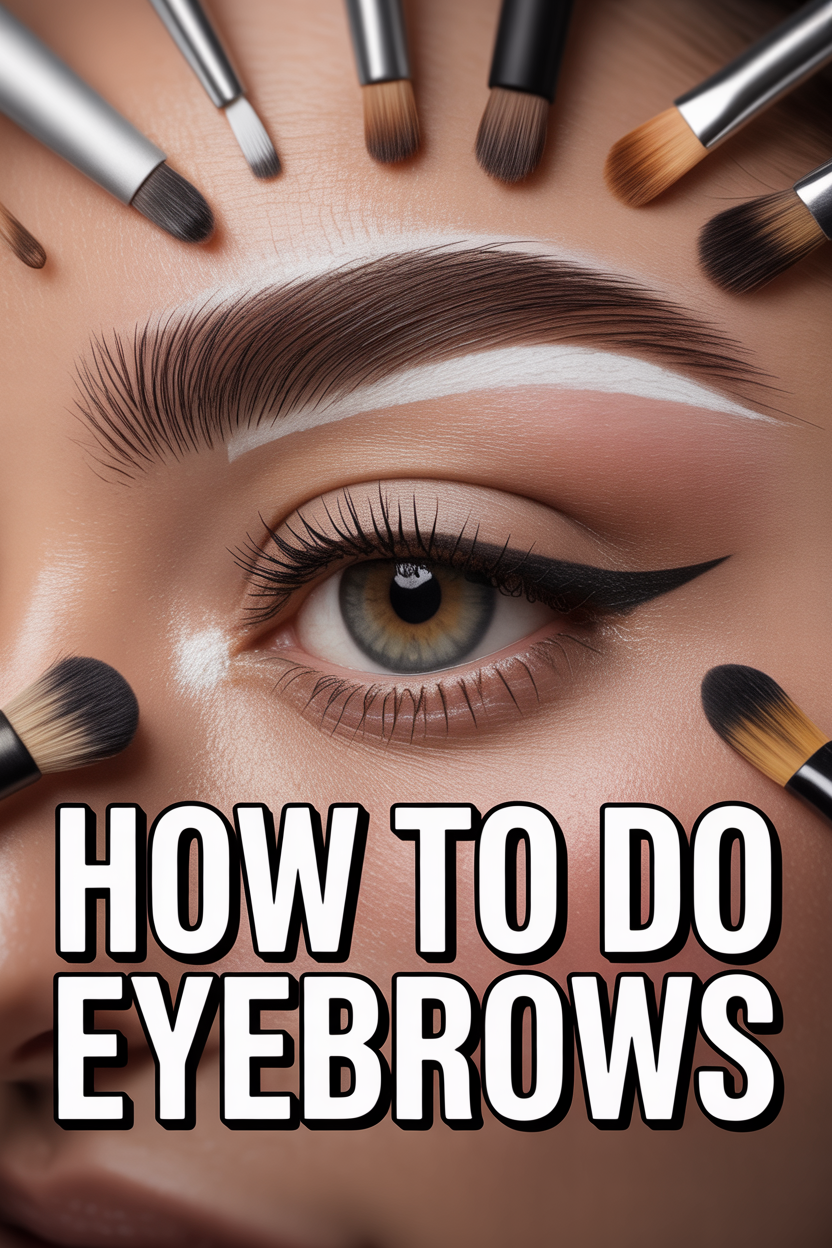
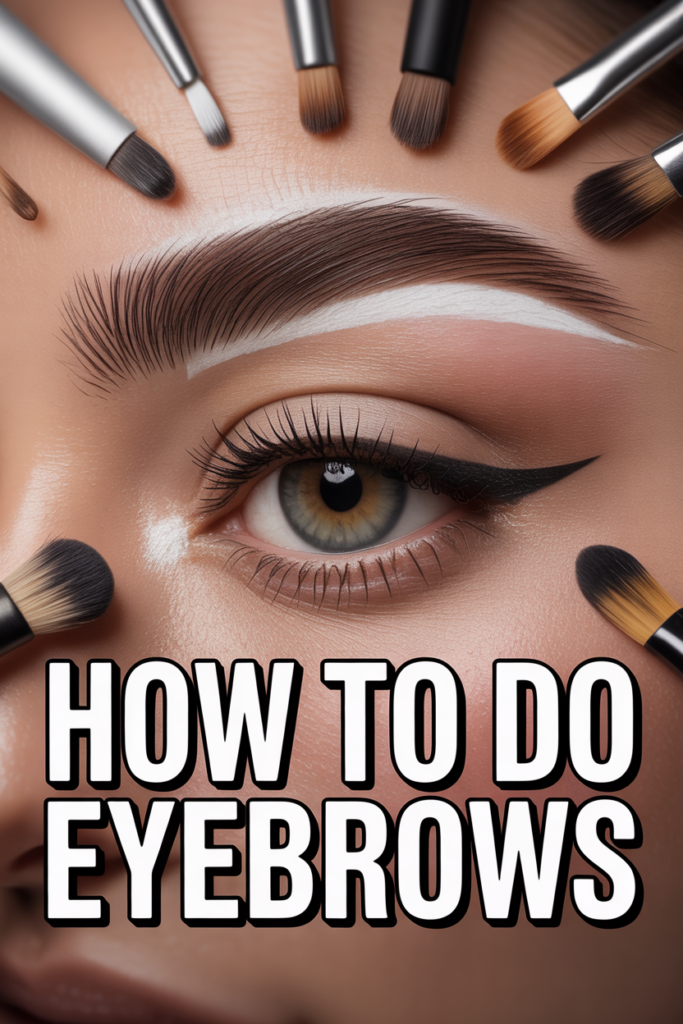
Your eyebrows are more than just an incidental feature; they are the unsung heroes of your face, framing your eyes, enhancing your expressions, and lending balance to your entire countenance. Perfectly sculpted brows can elevate your makeup, convey confidence, and even make you look more awake and polished. If you’ve ever felt overwhelmed by the prospect of taming your brows or unsure where to start, you’re in the right place. This comprehensive guide will demystify the process, providing you with practical, step-by-step instructions to achieve beautifully defined eyebrows that complement your unique features.
Quick Overview
This guide will walk you through the essential techniques to shape, trim, and fill your eyebrows, transforming them from unruly to refined. You’ll learn how to identify your ideal brow shape, use the right tools, and avoid common pitfalls, ultimately achieving a polished and natural look that enhances your beauty.
- Time needed: 20-45 minutes (initial shaping); 5-15 minutes (daily maintenance)
- Difficulty: Intermediate (requires precision and practice)
- What you’ll need: Tweezers, spoolie brush, small brow scissors, brow pencil/powder/pomade, angled brow brush, clear or tinted brow gel, magnifying mirror (optional), good lighting.
Step-by-Step Instructions
Step 1: Gather Your Tools and Prepare Your Canvas
Before you begin, ensure you have all your necessary tools clean and within reach. Good lighting is paramount – natural daylight is ideal, but a well-lit vanity mirror with magnification can also be incredibly helpful. Cleanse your face to remove any makeup or oils from your brow area. This provides a clean canvas and helps products adhere better, while also preventing any potential irritation from tweezing.
Pro tip: For a less painful tweezing experience, consider doing your brows after a warm shower. The steam opens up your pores, making hair removal a bit easier. Alternatively, you can gently press a warm washcloth over your brows for a minute or two.
Step 2: Understand Your Natural Brow Shape and Growth
Every face is unique, and so is every set of eyebrows. The key to beautiful brows is to work with your natural shape, not against it. Take a moment to observe your brows: where do they naturally start, arch, and end? Notice the direction of hair growth. This initial assessment will guide your shaping process. Resist the urge to drastically change your brow shape; instead, aim to refine and enhance what you already have. Your natural bone structure is often the best guide for where your brows should sit.
Pro tip: If you’re unsure about your natural shape, consider letting your brows grow out for a few weeks before your first shaping session. This allows you to see their full potential and provides more hair to work with.
Step 3: Map Your Ideal Brow Points
This critical step uses a simple technique to identify the three key points of your ideal brow: the start, the arch, and the tail. This mapping ensures symmetry and proportion, regardless of your face shape. Using a brow pencil or a thin brush, hold it vertically against your nose.
- The Start: Place the pencil alongside the outer edge of your nostril, pointing straight up. Where the pencil intersects your brow is where your brow should ideally begin. Mark this point with a dot.
- The Arch: Pivot the pencil from the same nostril point, aligning it through the center of your iris (when looking straight ahead). This point marks the highest peak of your arch. Mark it.
- The Tail: Finally, pivot the pencil from your nostril again, aligning it with the outer corner of your eye. This indicates where your brow should end. Mark this point.
Repeat on the other side. These three dots will serve as your guide for shaping.
Pro tip: The Golden Ratio Rule: Ensure the tail of your brow doesn’t dip below the start point. If it does, it can make your eyes look droopy. A good rule of thumb is to keep the tail slightly above or level with the start point for a lifted effect.
Step 4: Trim Longer Hairs
Once your brow points are mapped, it’s time to address any unruly length. Using a clean spoolie brush, comb your brow hairs straight up. Any hairs that extend significantly beyond the natural upper line of your brow can be carefully trimmed. Use small, sharp brow scissors, cutting only a few millimeters at a time, parallel to the direction of hair growth. Be extremely conservative here; you can always trim more, but you can’t put hair back.
Next, comb your brow hairs straight down and repeat the trimming process for any hairs that extend too far below the lower line. This step helps create a cleaner, more defined shape without removing any hairs from the root.
Pro tip: Invest in high-quality brow scissors. Dull scissors can bend or pull hairs, leading to an uneven trim or discomfort. Always trim in good lighting and take frequent breaks to step back and assess your progress.
Step 5: Outline Your Desired Brow Shape
Using a brow pencil that matches your hair color, lightly connect the three dots you marked in Step 3. Then, gently sketch a soft outline around the bottom and top edges of your brow, staying within the boundaries of your natural hair growth as much as possible. This outline will act as your “no-pluck zone.” It helps visualize the final shape and prevents you from over-plucking. Remember, this outline should be a soft guide, not a harsh, drawn-on brow.
Pro tip: When outlining, focus on creating a gradual taper from the head of the brow to the tail. The head of the brow should be slightly thicker and softer, gradually thinning towards the tail for a natural, elegant look.
Step 6: Remove Stray Hairs with Precision Tweezing
Now comes the meticulous part: tweezing. Only remove hairs that fall outside the outline you’ve created. Using high-quality slanted tweezers, grasp individual hairs at the root and pull quickly in the direction of hair growth. This minimizes pain and reduces the chance of hair breakage. Focus primarily on hairs underneath the brow arch and any obvious strays between your brows or above the main brow line. Avoid tweezing hairs from the top of your brow unless they are clearly isolated strays that disrupt the natural line. Step back frequently to check your progress and ensure symmetry.
Pro tip: Do not use a magnifying mirror for the entire tweezing process. While helpful for seeing individual hairs, it can distort your perception and lead to over-plucking. Use it for spot-checking, but regularly step back and view your full face in a regular mirror to maintain perspective and symmetry.
Step 7: Fill in Sparse Areas for Definition
Once your brows are shaped and trimmed, it’s time to add definition and density. Choose a brow product that suits your preference and skill level:
- Brow Pencil: Ideal for creating hair-like strokes and precise definition. Choose a pencil with a fine tip.
- Brow Powder & Angled Brush: Great for a softer, more diffused look and building natural fullness.
- Brow Pomade & Angled Brush: Offers strong hold and intense color, perfect for defining and filling very sparse brows.
Start by lightly filling in any sparse areas using short, feather-light strokes that mimic your natural hair growth. Begin at the arch and work towards the tail, as this area usually requires the most definition. For the front of your brow (the head), use an even lighter hand and fewer strokes to keep it looking soft and natural.
Pro tip: Select a brow product shade that is one to two shades lighter than your natural brow hair for a softer, more natural appearance. If you have very dark hair, a soft brown or charcoal gray can be more flattering than black, which can look too harsh.
Step 8: Blend and Soften for a Natural Finish
After filling, it’s crucial to blend. Use a clean spoolie brush to gently comb through your entire brow. This step distributes the product evenly, softens any harsh lines, and blends the product with your natural hairs, creating a seamless and natural finish. Brushing upwards and outwards helps to lift the brow and make it appear fuller.
Pro tip: Pay extra attention to the front of your brows (the head). Over-filling or harsh lines here can make your brows look “drawn on.” Use the spoolie to feather out the product, making the start of your brows look soft and gradient.
Step 9: Set Your Brows with Brow Gel
To ensure your perfectly shaped and filled brows stay put all day, finish with a clear or tinted brow gel. Brush the gel through your brows in an upward and outward motion. This sets the hairs in place, adds a subtle sheen, and can even provide a little extra volume. Tinted gels can also add a touch more color and fullness, particularly if you have very sparse brows.
Pro tip: For extra hold, apply a second, very light layer of brow gel after the first has dried slightly. For a laminated brow look, use a strong-hold gel and press the hairs firmly against your skin with the back of the spoolie or your finger after brushing them upwards.
Step 10: Assess and Refine
Once you’ve completed all the steps, step back from the mirror and view your face as a whole. Check for symmetry, balance, and overall impact. Are there any areas that need a little more filling, or perhaps a bit of blending? Use a cotton swab with a tiny bit of micellar water or concealer to clean up any smudges or sharpen the edges of your brows for a more polished look. Make any final, minor adjustments to achieve your desired result. Remember, eyebrows are sisters, not twins; a little asymmetry is perfectly natural and charming.
Pro tip: Take a photo of your finished brows. Sometimes, a photo can reveal imbalances or areas that need refinement that you might miss in the mirror.
Common Mistakes to Avoid
-
Over-Plucking: This is perhaps the most common and hardest mistake to recover from. Constantly tweezing every stray hair can lead to sparse, thin brows that are difficult to grow back. Over-plucking creates an unnatural shape and can make your eyes look larger but less framed.
Correct Approach: Stick strictly to your mapped outline. Only remove hairs outside that defined zone. When in doubt, leave it out. A few stray hairs are less noticeable than a patchy brow.
-
Creating a Harsh, Blocky Front: Drawing a sharp, dark line at the head of your brow makes them look artificial and heavy, often giving an angry or stern expression.
Correct Approach: The head of your brow should be the softest part. Use minimal product, apply it lightly, and always blend upwards and outwards with a spoolie to create a natural gradient.
-
Ignoring Your Natural Brow Shape: Trying to force a trendy brow shape that doesn’t align with your natural bone structure or hair growth can look awkward and unnatural.
Correct Approach: Work with your natural arches and hair patterns. Enhance what you have, rather than trying to create an entirely new shape. Your natural brows are usually the most flattering for your face.
-
Using the Wrong Shade of Product: A brow product that’s too dark or too warm/cool can clash with your hair and skin tone, making your brows stand out in an unflattering way.
Correct Approach: Opt for a shade that is one to two shades lighter than your natural brow hair. If you have very warm-toned hair, avoid overly cool-toned brow products, and vice versa. Test shades in natural light before committing.
-
Skipping the Spoolie: Not blending your brow product can leave harsh lines, visible product clumps, and an unnatural finish.
Correct Approach: The spoolie is your best friend. Use it generously after filling to soften lines, distribute product, and blend everything seamlessly for a natural, polished look.
Troubleshooting
-
My Brows Look Uneven: It’s common for brows to have slight natural asymmetry. Don’t chase perfect twins, aim for balanced sisters. If one brow consistently looks lower or thinner, try to build up the sparser areas or gently remove a few hairs from the thicker brow’s underside to create an illusion of lift. Step back often and use your mapped points as a guide.
-
My Filled Brows Look Too Fake/Harsh: This usually means too much product, a shade that’s too dark, or insufficient blending. Use less product, especially at the front of the brow. If the shade is too dark, switch to a lighter one. Always, always use a spoolie to brush through the brows after filling to soften and diffuse the color.
-
My Brow Hairs Won’t Stay in Place: If your brow hairs have a mind of their own, you might need a stronger hold brow gel. Look for “strong hold” or “extreme hold” formulas. For particularly stubborn hairs, you can also try “brow lamination” kits (professional or at-home) or use a small amount of clear hairspray on a spoolie for a temporary fix.
Key Takeaways
- Preparation is Key: Clean tools, good lighting, and a clear understanding of your natural shape set you up for success.
- Map Your Brows: Use the three-point mapping technique for a balanced and symmetrical shape tailored to your face.
- Trim, Don’t Over-Pluck: Be conservative with trimming and only remove hairs outside your defined outline.
- Fill with a Light Hand: Use hair-like strokes and a shade that’s slightly lighter than your natural brow hair.
- Blend, Blend, Blend: The spoolie is essential for softening harsh lines and achieving a natural finish.
- Set for Longevity: Brow gel keeps your masterpiece in place all day.
- Practice Makes Perfect: Eyebrow shaping is an art that improves with consistent practice and patience.
Frequently Asked Questions
Q: How often should I do my eyebrows?
A: For maintenance, most people tweeze every 1-3 weeks, depending on their hair growth rate. Daily filling and setting is common. Avoid over-tweezing too frequently, as this can disrupt the growth cycle and lead to sparse brows.
Q: What’s the best brow product for beginners?
A: A brow pencil with a spoolie on the other end is excellent for beginners. It allows for precise application to create hair-like strokes and immediate blending. Brow powders are also very forgiving for a softer look.
Q: Can I grow back over-plucked brows?
A: Yes, in most cases, brow hairs can grow back. It requires patience and avoiding any further tweezing for at least 6-12 weeks. Serums containing growth-promoting ingredients like biotin or peptides can also help stimulate growth. Consult a dermatologist if you have persistent issues.
Q: Should I wax or pluck?
A: Plucking offers more precision and control, making it ideal for maintaining your shape at home and for beginners. Waxing provides a cleaner, quicker result but carries a higher risk of removing too much hair or causing skin irritation, especially if done incorrectly. For initial shaping or if you prefer a professional touch, consider visiting a reputable brow specialist.
What’s Next?
Congratulations, you now have the knowledge and tools to master the art of eyebrow shaping! Remember that perfection isn’t achieved overnight; it’s a journey of practice, patience, and learning what works best for your unique features. Don’t be afraid to experiment with different products and techniques once you’ve mastered the basics.
Consider exploring different brow product formulations – perhaps a brow pomade for a bolder evening look, or a tinted gel for quick, natural enhancement. For those with very sparse brows, microblading or micro-feathering could be a semi-permanent solution worth researching, but always ensure you choose a highly qualified and experienced technician.
The most important next step is to grab your tools and start practicing today. With each attempt, you’ll gain confidence and precision, bringing you closer to the perfectly framed face you desire. Happy brow shaping!