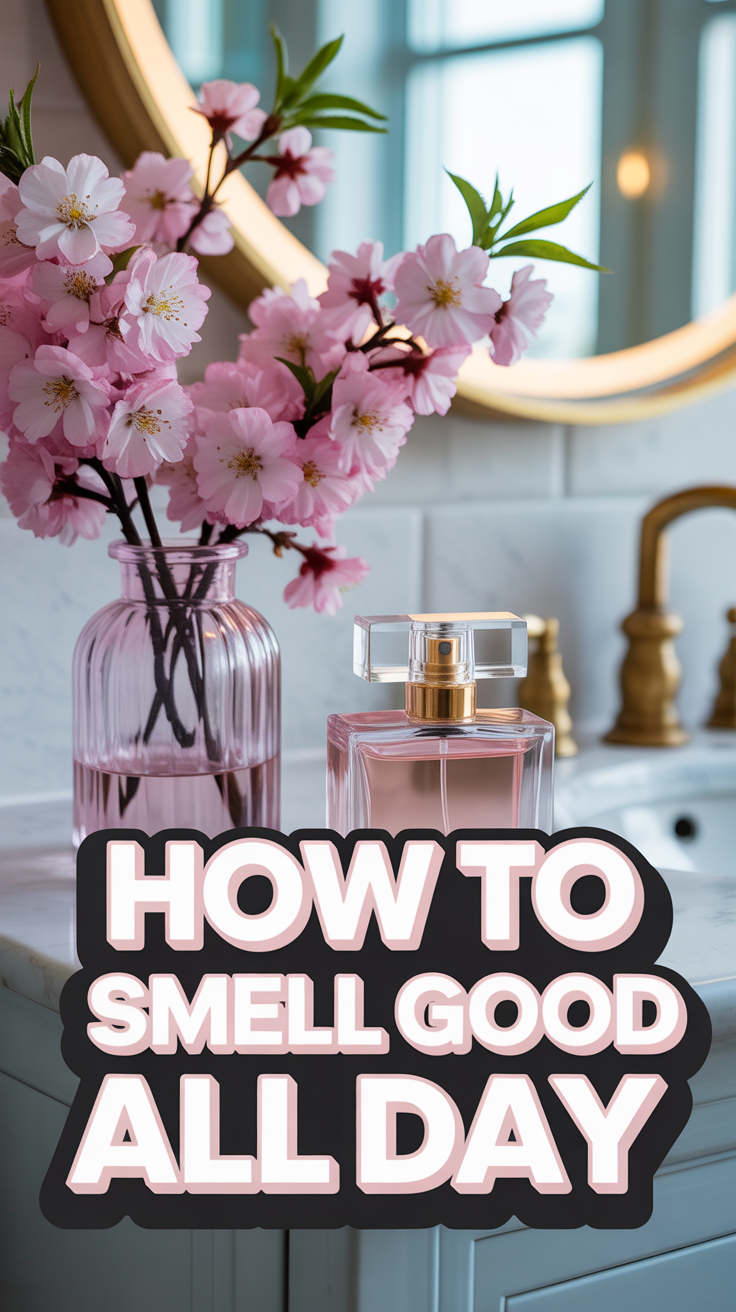
🌸 How To Smell Good All Day
💄 The Everyday Glamour Routine
You do not need to spend hundreds of dollars at Sephora to achieve a flawless, airbrushed finish. Professional makeup artists secretly rely on these 5 incredible, highly-rated viral drug store dupes and tools to create stunning looks that last all day.
✨ e.l.f. Power Grip Primer
The undisputed holy grail of primers that broke the internet. The unique gel-based formula literally 'grips' onto your foundation, blurring pores and completely preventing your makeup from melting off, creasing, or fading for up to 14 hours.
💧 Real Techniques Miracle Complexion Sponges
Stop applying liquid foundation with brushes that leave streaks. When used slightly damp, these ultra-soft, latex-free sponges seamlessly bounce liquid products into your skin for an incredibly natural, dewy, 'no-makeup' finish.
🖤 Maybelline Sky High Lengthening Mascara
You don't need expensive lash extensions. This wildly popular formula features a flexible tower brush that bends to volumize and extend every single tiny lash from root to tip without flaking, smudging, or weighing your eyes down.
🌟 L'Oreal True Match Lumi Glotion
The ultimate secret for that radiant 'glass skin' look. Use it alone for a sheer, healthy tint on no-makeup days, or mix a tiny drop into your foundation to instantly add an incredibly expensive-looking, natural luminosity to your face.
🌋 Revlon Oil-Absorbing Volcanic Roller
The modern replacement for messy blotting papers. Made from real volcanic stone, this tiny tool fits perfectly in your purse. Simply roll it across your T-zone to instantly absorb excess shine without messing up the makeup underneath.
In a world where first impressions often shape perceptions, the subtle art of smelling good all day is a powerful, yet frequently underestimated, tool. It’s not merely about masking odors with a spritz of fragrance; it’s a holistic approach to personal care that radiates confidence, professionalism, and an inviting aura. Imagine stepping into a meeting, a social gathering, or even just going about your daily errands, knowing that you exude freshness and a pleasant scent. This isn’t just about vanity; it’s about respect for yourself and others, enhancing your mood, and leaving a positive, lasting impression.
This comprehensive guide will walk you through every essential step, from foundational hygiene practices to advanced fragrance application techniques and lifestyle adjustments. We’ll delve into the science behind scent, debunk common myths, and equip you with the knowledge and tools to maintain an impeccable aroma from dawn till dusk. By the end of this article, you will have a clear, actionable plan to ensure you smell good, feel great, and project an image of effortless sophistication, every single day.
What You’ll Need
To embark on your journey to smelling good all day, gather the following essentials. Having these items readily available will streamline your routine and ensure consistent results.
- Antibacterial Soap or Body Wash: For thorough cleansing and odor control.
- Loofah or Exfoliating Mitt: To remove dead skin cells and enhance cleansing.
- Clean Towels: Freshly laundered, soft towels for effective drying.
- Antiperspirant and/or Deodorant: To control sweat and neutralize odor.
- Unscented or Lightly Scented Moisturizer: To hydrate skin and act as a base for fragrance.
- Your Preferred Fragrance: Perfume, Eau de Parfum (EDP), Eau de Toilette (EDT), or Cologne.
- Breath Mints, Mouthwash, or Oral Spray: For instant fresh breath.
- Laundry Detergent and Fabric Softener: For clean, fresh-smelling clothes.
- Shoe Deodorizers or Inserts: To keep footwear fresh.
- Hair Care Products: Shampoo, conditioner, and potentially a hair mist.
- Hand Soap: For regular hand washing.
- Air Fresheners or Diffusers: For maintaining a fresh home environment.
- Hydration (Water Bottle): For internal cleansing and overall health.
Step-by-Step Instructions
-
Master Your Shower Routine (The Foundation of Freshness):
Your day of smelling good begins in the shower. This isn’t just about getting clean; it’s about laying the groundwork for lasting freshness. Start with a thorough wash using an antibacterial soap or body wash. These products are specifically formulated to target odor-causing bacteria on your skin, which is the primary source of unpleasant body odor. Pay special attention to areas prone to sweating and bacterial growth, such as your armpits, groin, feet, and behind the ears. Use a loofah or exfoliating mitt to gently scrub your skin. This helps to remove dead skin cells, dirt, and oil buildup, allowing your soap to work more effectively and preventing pores from becoming clogged, which can lead to odor. Rinse thoroughly to ensure no soap residue is left behind, as this can irritate the skin and even contribute to a stale smell later.
-
Dry Thoroughly (A Crucial, Often Overlooked Step):
After showering, drying your body completely is paramount. Moisture creates an ideal breeding ground for bacteria and fungi, which thrive in damp environments and produce unpleasant odors. Use a clean, dry towel and pat your skin until it’s completely dry, especially in skin folds, between toes, and in your armpits. Don’t rush this step. Allowing your skin to air dry for a few minutes after towel drying can also be beneficial, ensuring every crevice is moisture-free before you apply any products or get dressed. This diligent drying routine significantly reduces the potential for bacterial growth and helps your antiperspirant and deodorant work more effectively.
-
Apply Antiperspirant and/or Deodorant (Your First Line of Defense):
Once your skin is perfectly dry, apply antiperspirant and/or deodorant. Antiperspirants work by temporarily blocking sweat glands, reducing the amount of sweat released, while deodorants mask or neutralize body odor. For optimal results, apply antiperspirant to clean, dry skin before bed, as it has time to work overnight when sweat glands are less active. In the morning, you can reapply if desired, or use a deodorant for an added layer of freshness. Choose a product that suits your needs – clinical strength for heavy sweaters, or a natural option if you prefer. Ensure full coverage in your armpits and allow it to dry completely before putting on clothes to prevent staining.
-
Moisturize Your Skin (The Fragrance Anchor):
Hydrated skin holds fragrance much better and for longer periods than dry skin. After your antiperspirant/deodorant has dried, apply an unscented or lightly scented moisturizer all over your body. If you plan to wear a fragrance, an unscented moisturizer is ideal as it won’t interfere with your chosen scent. If your fragrance has a complementary body lotion, even better – use that to create a base layer. Focus on pulse points (wrists, neck, behind ears, inner elbows, behind knees) where your fragrance will later be applied. The oils in the moisturizer create a barrier that helps trap fragrance molecules, slowing down their evaporation and extending their wear time.
-
Apply Your Fragrance Strategically (The Art of Scent Application):
Now it’s time for your chosen fragrance. Less is often more when it comes to perfume or cologne. Apply to your pulse points, where the warmth of your body will naturally diffuse the scent throughout the day. These areas include your wrists (don’t rub them together, as this breaks down the fragrance molecules), neck (especially behind the ears), inner elbows, and behind your knees. You can also lightly mist your hair (from a distance to avoid alcohol damage) or clothing (test first to avoid stains) for an additional layer, but remember that fragrance lasts longer on skin. Avoid spraying too much; a few strategic spritzes are usually sufficient. For a subtle all-over effect, spray once into the air and walk through the mist.
-
Prioritize Oral Hygiene (Beyond Just Fresh Breath):
Bad breath can quickly undermine any effort to smell good. Implement a rigorous oral hygiene routine that goes beyond just brushing. Brush your teeth for at least two minutes, twice a day, paying attention to your tongue where bacteria often accumulate. Floss daily to remove food particles and plaque from between teeth and below the gumline. Finish with an alcohol-free mouthwash for a final rinse. Keep breath mints, gum, or a small oral spray handy for quick refreshers throughout the day, especially after meals or strong-smelling foods like garlic or onions. Regular dental check-ups are also crucial to address any underlying issues that might contribute to persistent bad breath.
-
Ensure Your Clothes are Impeccably Clean (The Fabric of Freshness):
Even if your body is pristine, dirty clothes can quickly negate all your efforts. Wash your clothes regularly using a good quality laundry detergent and, if desired, a fabric softener for an extra boost of freshness. Pay attention to items that absorb sweat, like activewear, and wash them promptly. For clothes that tend to get musty, consider adding a cup of white vinegar to the rinse cycle to help neutralize odors. Ensure clothes are completely dry before storing them, as dampness leads to mildew and a stale smell. Store clean clothes in a well-ventilated closet or drawer, and avoid mixing them with dirty laundry. Change your clothes daily, especially underwear, socks, and any garments that come into direct contact with your skin.
-
Maintain Foot Hygiene (Often Overlooked, but Essential):
Your feet contain a high concentration of sweat glands, making them a common source of odor. Wash your feet daily with antibacterial soap, paying close attention to the spaces between your toes. Dry them thoroughly, as moisture trapped here can lead to fungal infections and odor. Apply foot powder or antiperspirant specifically designed for feet if you’re prone to excessive sweating. Wear clean socks made from breathable materials like cotton or wool daily, and change them more frequently if you’re active. Rotate your shoes, allowing them to air out for at least 24 hours between wears. Use shoe deodorizers or cedar inserts to keep your footwear fresh and dry when not in use.
-
Manage Your Hair (A Scent Magnet):
Your hair can absorb and hold scents, both good and bad. Wash your hair regularly with a shampoo and conditioner that leave it smelling fresh. If you use styling products, opt for ones with pleasant or neutral scents. On days you don’t wash your hair, a dry shampoo can absorb excess oil and add a fresh scent. For an extra touch, a hair mist (specifically formulated for hair, often lighter than body fragrance) can be a lovely addition, providing a subtle aroma that diffuses gently as you move.
-
Consider Your Diet and Hydration (Internal Freshness):
What you consume can significantly impact your body odor and breath. Foods like garlic, onions, strong spices, and excessive red meat can be excreted through your pores, affecting your natural scent. Similarly, alcohol and caffeine can contribute to dehydration and impact breath freshness. Focus on a diet rich in fruits, vegetables, and whole grains. Staying well-hydrated by drinking plenty of water helps flush out toxins from your system, contributing to a cleaner internal environment and a fresher scent. Herbal teas like peppermint or green tea can also aid in internal freshness.
-
Keep Your Environment Fresh (Your Scent Bubble):
Your personal scent is influenced by your surroundings. Ensure your living and working spaces are clean and well-ventilated. Regularly clean your bedding, towels, and carpets. Use air fresheners, essential oil diffusers, or scented candles to maintain a pleasant aroma in your home. A clean car interior is also important. If your environment smells stale, those odors can cling to your clothes and hair, undermining your efforts. A fresh environment supports a fresh personal scent.
-
Carry Essentials for Touch-Ups (Day-Long Maintenance):
Even with the best preparation, a long day can sometimes require a quick refresh. Assemble a small “freshen-up” kit to carry with you. This might include travel-sized deodorant, breath mints or a small mouth spray, hand sanitizer (which can also provide a temporary fresh scent), and blotting papers for excess oil. A small decant of your favorite fragrance can also be useful for a midday spritz, applied sparingly to pulse points. These small touches can make a big difference in maintaining your fresh scent throughout the day.
Pro Tips
- Layer Your Scents: For a truly long-lasting and cohesive fragrance experience, consider layering. Start with a shower gel, then a body lotion, and finally your chosen fragrance, all from the same scent family or collection. If you don’t have matching products, use unscented versions for the base layers to avoid clashing scents. This builds a deeper, more enduring aroma that evolves beautifully.
- Apply Fragrance to Moisturised Skin: As mentioned, well-hydrated skin acts as a better base for fragrance. The oils in moisturiser bind with the fragrance molecules, preventing them from evaporating as quickly. Always apply your perfume or cologne after you’ve moisturised for enhanced longevity.
- Understand Fragrance Concentration: Different types of fragrances have varying concentrations of essential oils, which affects their longevity and intensity.
- Parfum (Extrait de Parfum): Highest concentration (20-40% oils), lasts 6-8+ hours.
- Eau de Parfum (EDP): High concentration (15-20% oils), lasts 5-8 hours.
- Eau de Toilette (EDT): Moderate concentration (5-15% oils), lasts 3-5 hours.
- Eau de Cologne (EDC): Low concentration (2-4% oils), lasts 2-3 hours.
Choose a concentration appropriate for how long you need the scent to last.
- Store Fragrances Properly: Heat, light, and humidity can degrade fragrance molecules, altering their scent and reducing their longevity. Store your perfumes and colognes in a cool, dark place, away from direct sunlight and temperature fluctuations (like a bathroom cabinet, which can be too humid). Keeping them in their original boxes can also help.
- Don’t Rub Your Wrists: After spraying fragrance on your wrists, resist the urge to rub them together. This action generates heat, which can break down the top notes of the fragrance, altering its intended scent profile and making it dissipate more quickly. Simply spray and let it dry naturally.
Common Mistakes to Avoid
- Over-Applying Fragrance: One of the most common mistakes is using too much perfume or cologne. What smells pleasant to you might be overwhelming to others, especially in enclosed spaces. A few strategic sprays are usually sufficient. If you can smell your fragrance strongly on yourself throughout the day without moving, you’ve likely over-applied.
- Applying Fragrance to Dirty Skin: Fragrance is not meant to mask body odor. Applying it to unwashed skin will only mix with existing odors, creating an unpleasant and often stronger smell. Always apply fragrance to clean, moisturised skin.
- Neglecting Laundry and Clothing Hygiene: Even if you are impeccably clean, wearing stale or unwashed clothes will undermine all your efforts. Clothes absorb environmental odors and body oils, so ensure your wardrobe is consistently fresh.
- Ignoring Foot and Oral Hygiene: Bad breath and foot odor are distinct issues that can severely impact your overall freshness. Don’t overlook these critical areas in your daily routine. They require dedicated attention just like the rest of your body.
- Skipping Moisturizer: Dry skin doesn’t hold fragrance well, causing it to evaporate quickly. Neglecting to moisturize before applying fragrance is a missed opportunity to extend your scent’s longevity.
- Using Scented Products That Clash: If your shower gel, lotion, and fragrance all have strong, different scents, they can clash and create an unpleasant combination. Opt for unscented base products or those with complementary scents if you plan to layer.
- Applying Fragrance to Clothes Without Testing: While some people spray fragrance on clothes, be cautious. Some fragrances can stain certain fabrics, especially light-colored ones. Always test on an inconspicuous area first, or opt for a dedicated fabric refresher.
- Not Staying Hydrated: Dehydration can impact your body’s natural processes, including detoxification, which can subtly affect your overall scent. Drinking enough water is crucial for internal freshness.
FAQ
How long should a fragrance last on my skin?
The longevity of a fragrance depends on its concentration (Parfum, EDP, EDT, EDC), your skin type (oily skin tends to hold scent longer), and how you apply it. Generally, EDPs last 5-8 hours, and EDTs last 3-5 hours. Proper application on moisturized skin and pulse points can extend wear time.
Can my diet really affect my body odor?
Yes, absolutely. Certain foods like garlic, onions, curry, and large amounts of red meat contain compounds that can be released through your sweat glands and breath. A diet rich in fruits, vegetables, and plenty of water can help maintain a more neutral and pleasant natural body scent.
Is it okay to reapply fragrance throughout the day?
Yes, it is perfectly fine to reapply fragrance, especially if you’re wearing an EDT or EDC which naturally dissipates faster. However, be mindful not to over-apply. A light re-spritz to one or two pulse points is usually sufficient to refresh your scent without becoming overwhelming.
What if I’m sensitive to strong scents or prefer a subtle aroma?
If you’re sensitive to strong scents, opt for lighter fragrance concentrations like Eau de Cologne or body mists. You can also focus on unscented hygiene products and rely on a lightly scented lotion or a single spritz of fragrance on a hidden pulse point. Natural essential oils diluted in a carrier oil can also provide a very subtle, natural aroma.
✨ The Ultimate Skin & Hair Care Kit
The best makeup in the world cannot hide poorly treated skin or damaged hair. If you want to glow from the inside out, these 5 science-backed formulations and trusted tools are the absolute essential core of any functional, results-driven beauty regimen.
🐌 COSRX Snail Mucin 96% Repair Essence
The Korean skincare secret that completely revolutionized Western beauty routines. Applying this deeply hydrating, lightweight essence absolutely transforms dull, textured skin overnight into a plump, hydrated, and insanely smooth canvas.
🧪 Paula's Choice 2% BHA Liquid Exfoliant
Stop aggressively scrubbing your face. This gentle, leave-on chemical exfoliant sinks deep into pores to dissolve blackheads, visibly shrink enlarged pore size, and effectively erase stubborn acne breakouts without leaving your skin red or irritated.
🩹 Mighty Patch Original Hydrocolloid Stickers
The ultimate emergency fix. When you feel a massive blemish forming, do not pop it! Stick one of these medical-grade patches on overnight and watch it completely absorb all the impurities while protecting the skin from scarring.
💨 Revlon One-Step Volumizer Hot Air Brush
Achieve a massive bouncy, salon-quality blowout at home in literally half the time. This ingenious tool dries, brushes, and heavily volumizes your hair all at once, completely saving your arms from the exhausting juggle of a round brush and heavy dryer.
💧 Olaplex No. 7 Bonding Hair Oil
If you use heat tools or color your hair, this is non-negotiable. This highly concentrated, weightless styling oil instantly tames frizz, dramatically increases shine, and actually repairs broken hair bonds while providing up to 450°F heat protection.
Conclusion
Achieving and maintaining a pleasant scent throughout the day is an art and a science, a comprehensive routine that extends far beyond a single spritz of perfume. It’s a testament to consistent self-care, encompassing meticulous hygiene, thoughtful product selection, strategic fragrance application, and mindful lifestyle choices. By integrating the step-by-step instructions, pro tips, and common mistakes to avoid into your daily regimen, you are not just ensuring you smell good; you are investing in your confidence, enhancing your presence, and cultivating a positive self-image.
Remember, the goal is not to mask natural odors but to cultivate a harmonious personal aroma that feels authentic and inviting. Embrace this holistic approach, and you’ll find yourself not only smelling better but also feeling more poised, ready to tackle any challenge the day brings. Start today, make these practices your own, and enjoy the subtle yet profound power of smelling good all day, every day.