🌱 2 Strand Twist Locs Style
💄 The Everyday Glamour Routine
You do not need to spend hundreds of dollars at Sephora to achieve a flawless, airbrushed finish. Professional makeup artists secretly rely on these 5 incredible, highly-rated viral drug store dupes and tools to create stunning looks that last all day.
✨ e.l.f. Power Grip Primer
The undisputed holy grail of primers that broke the internet. The unique gel-based formula literally 'grips' onto your foundation, blurring pores and completely preventing your makeup from melting off, creasing, or fading for up to 14 hours.
💧 Real Techniques Miracle Complexion Sponges
Stop applying liquid foundation with brushes that leave streaks. When used slightly damp, these ultra-soft, latex-free sponges seamlessly bounce liquid products into your skin for an incredibly natural, dewy, 'no-makeup' finish.
🖤 Maybelline Sky High Lengthening Mascara
You don't need expensive lash extensions. This wildly popular formula features a flexible tower brush that bends to volumize and extend every single tiny lash from root to tip without flaking, smudging, or weighing your eyes down.
🌟 L'Oreal True Match Lumi Glotion
The ultimate secret for that radiant 'glass skin' look. Use it alone for a sheer, healthy tint on no-makeup days, or mix a tiny drop into your foundation to instantly add an incredibly expensive-looking, natural luminosity to your face.
🌋 Revlon Oil-Absorbing Volcanic Roller
The modern replacement for messy blotting papers. Made from real volcanic stone, this tiny tool fits perfectly in your purse. Simply roll it across your T-zone to instantly absorb excess shine without messing up the makeup underneath.
The journey of embracing natural hair is a deeply personal and often transformative one, leading many to explore the beauty and versatility of locs. Among the myriad of methods available for starting and maintaining these revered strands, the 2 Strand Twist Locs Style stands out as a timeless, elegant, and highly effective choice. It’s a method cherished for its ability to create uniform, well-defined locs from the very beginning, offering a clean aesthetic that appeals to both novices and seasoned loc enthusiasts alike. This style isn’t just a way to lock hair; it’s an art form that celebrates natural texture, promotes hair health, and provides a foundation for endless styling possibilities.
For those embarking on their loc journey, or even those looking for a neat and protective way to maintain existing locs, the 2 Strand Twist Locs Style offers a compelling blend of practicality and visual appeal. It’s a versatile technique that can be adapted to various hair types and lengths, making it a universal favorite in the natural hair community. This comprehensive guide will delve into every aspect of the 2 Strand Twist Locs Style, from understanding its core concept to mastering the installation, maintaining its integrity, and avoiding common pitfalls. Prepare to unlock the secrets to achieving and maintaining beautiful, healthy locs with this classic and beloved method.
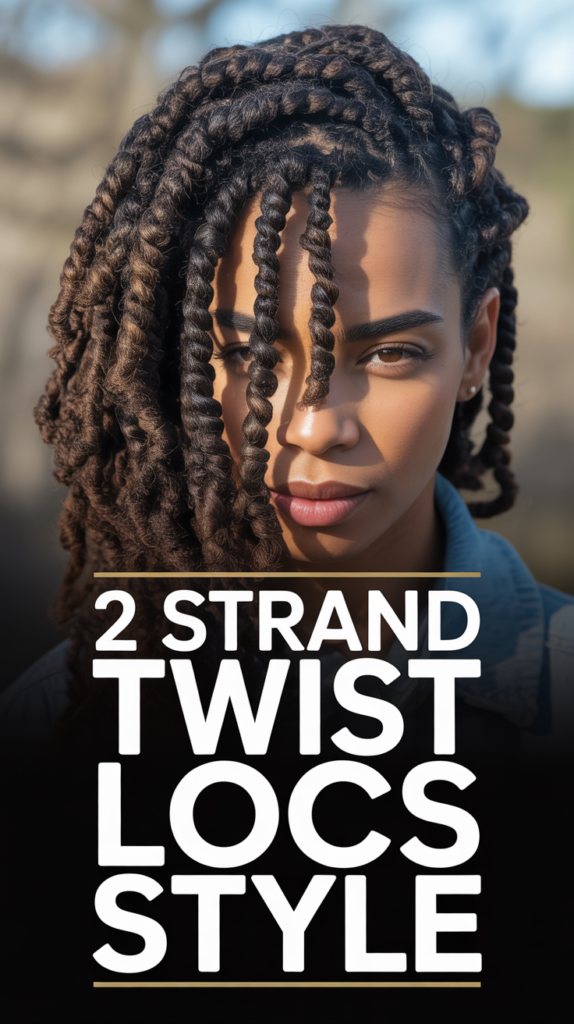
What is 2 Strand Twist Locs Style?
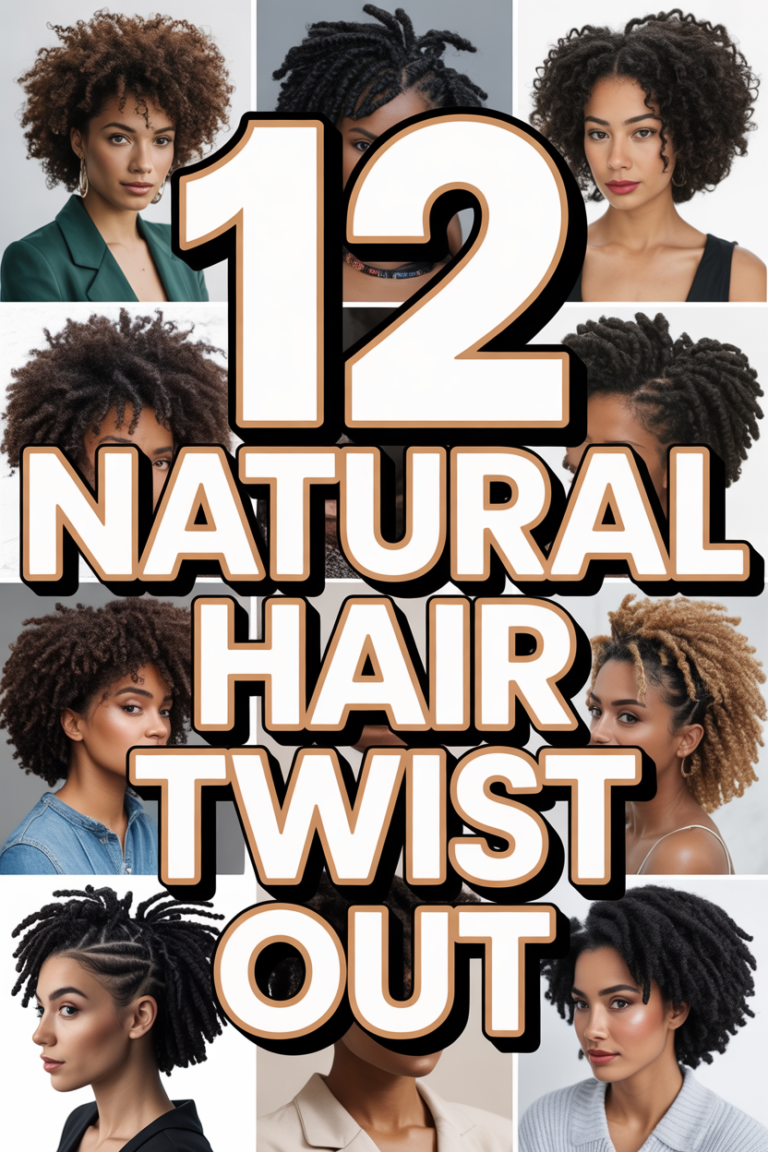
At its core, the 2 Strand Twist Locs Style is a foundational method for creating and maintaining dreadlocks that utilizes a simple yet highly effective two-strand twisting technique. Unlike other loc initiation methods such as comb coils, interlocking, or braids, the two-strand twist involves dividing a section of hair into two equal sub-sections and then wrapping them around each other from the root to the tip. This process is repeated across the entire head, creating a uniform pattern of twisted strands that will eventually mature into individual locs.
The beauty of this method lies in its simplicity and the distinct aesthetic it imparts. When freshly installed, 2 strand twist locs exhibit a clear, defined twisted pattern, offering an immediate sense of style and neatness. Over time, as the hair naturally grows and is maintained through regular retwists, these twists begin to ‘bud’ – a critical stage where the hair within the twist starts to tangle and mesh together, forming the dense, matted structure characteristic of a mature loc. This budding phase is often accompanied by some frizz, which is a natural and necessary part of the locking process, signaling that the hair is compacting and solidifying.
What differentiates the 2 strand twist from other methods is the unique texture and initial appearance it provides. While braids can create a plaited pattern and comb coils result in a tighter, more cylindrical shape, 2 strand twists offer a softer, more rope-like texture that gradually blends into a uniform loc as it matures. This method is particularly favored for its ability to produce thicker, fuller locs, as the initial twists often have more volume than those started with smaller coil or interlocking techniques. The size of the locs is directly influenced by the size of the initial hair sections; larger sections yield thicker locs, while smaller sections result in thinner ones. This control over loc size allows for a high degree of customization to suit individual preferences and hair density.
Moreover, the 2 strand twist method is renowned for being gentle on the hair and scalp, provided it’s done correctly without excessive tension. It allows for natural shrinkage and expansion, which are vital for healthy loc formation. As the locs mature, the twisted pattern becomes less pronounced, giving way to a solid, cylindrical loc. However, the unique texture created by the two-strand twist often leaves a subtle, beautiful pattern within the mature loc itself, adding to its character and depth. This enduring appeal and the natural progression of the style make the 2 Strand Twist Locs Style a popular and enduring choice for many embarking on their loc journey.
Key Features
The 2 Strand Twist Locs Style is celebrated for a multitude of features that make it a standout choice for both starting and maintaining locs. Understanding these key aspects can help individuals appreciate its value and make informed decisions about their loc journey.
- Defined & Uniform Aesthetics: One of the most immediate benefits of this style is the clean, neat appearance it offers from day one. The consistent two-strand twists create a uniform grid across the scalp, giving a polished and intentional look. This defined pattern is aesthetically pleasing and serves as an excellent foundation for future loc growth.
- Versatility in Loc Size: The 2 strand twist method allows for significant control over the final size of the locs. By adjusting the size of the initial hair sections, individuals can achieve anything from micro-locs to thick, bold locs. This customization ensures that the style perfectly complements one’s face shape, hair density, and personal preference.
- Promotes Thicker Locs: Compared to methods like comb coils or interlocking which can create very thin locs, 2 strand twists often result in fuller, thicker locs. This is because the initial twist incorporates more hair volume, leading to a more robust loc structure as it matures.
- Gentle on Hair and Scalp: When performed correctly, the 2 strand twist method is relatively gentle. It avoids excessive tension that can lead to thinning or breakage, making it a healthier option for the hair follicles and scalp, especially during the initial stages.
- Excellent for All Hair Textures: While particularly popular among those with kinky or coily hair types, the 2 strand twist can be adapted for a wide range of hair textures. The key is proper preparation and technique to ensure the twists hold and eventually lock.
- Protective Styling Benefits: Like all loc styles, 2 strand twists are inherently protective. They minimize daily manipulation, reduce exposure to environmental damage, and help retain moisture, all of which contribute to healthier hair growth and length retention.
- Natural Progression to Mature Locs: The twisting method creates an optimal environment for hair to naturally intertwine and mature into solid locs. The budding process is typically well-supported by the structure of the two-strand twist, leading to strong, resilient locs over time.
- DIY Friendly: While professional installation is always recommended for the best results, the 2 strand twist technique is relatively easy to learn for at-home maintenance. This can be cost-effective and empowering for individuals who prefer to manage their locs themselves after the initial setup.
- Styling Versatility: Freshly twisted or fully mature, 2 strand twist locs offer endless styling possibilities. They can be worn down, put into updos, styled with braids, buns, or ponytails, providing adaptability for various occasions and personal expressions.
How to Get Started
Embarking on your 2 Strand Twist Locs journey requires careful preparation and a systematic approach to ensure the best possible foundation for healthy, beautiful locs. Here’s a detailed guide on how to get started:
1. Preparation is Key
- Cleanse Your Hair Thoroughly: Start with freshly washed hair. Use a clarifying shampoo to remove any product buildup, dirt, and oils. Follow with a light, residue-free conditioner to detangle and add moisture. Rinse thoroughly to ensure no product residue remains, as this can hinder the locking process and attract lint.
- Deep Condition (Optional but Recommended): If your hair is prone to dryness, a deep conditioning treatment before cleansing can provide a good moisture base.
- Detangle Completely: Ensure your hair is completely detangled. This will make sectioning and twisting much easier and prevent unnecessary breakage.
- Gather Your Tools: You’ll need a rat-tail comb for precise sectioning, hair clips to hold sections, a spray bottle with water, a light locing gel or cream, and a hooded dryer (optional, but highly recommended for drying).
2. Sectioning for Success
- Damp Hair is Best: Your hair should be damp, not soaking wet, and not completely dry. A spray bottle can be used to re-dampen sections as you work.
- Determine Loc Size: Decide on the desired thickness of your locs. This will dictate the size of your sections. Smaller sections create thinner locs, and larger sections create thicker locs.
- Create Consistent Sections: Using a rat-tail comb, divide your hair into uniform sections. Square, diamond, or brick-lay patterns are common. Consistency in size and shape is crucial for a neat and even loc pattern. Use clips to secure each section as you go, keeping them separate and organized.
3. Moisturize and Twist
- Apply Product: Take one section of hair. Lightly mist it with water if it has dried. Apply a small amount of residue-free locing gel or cream to the section from root to tip. Avoid heavy waxes or butters, which can cause buildup.
- Divide the Section: Split the chosen section into two equal strands.
- Execute the Twist: Begin twisting the two strands around each other from the root. The key is consistency in direction (e.g., always twist clockwise or always counter-clockwise throughout your entire head). Maintain firm but gentle tension as you twist down to the very ends of the hair. The tighter and more consistent the twist, the better it will hold and mature.
- Secure the Ends (Optional): For very loose hair textures, you might need to secure the ends with small rubber bands initially, but for most hair types, a tight twist to the very end will suffice. The ends will eventually lock on their own.
- Repeat: Continue this process, section by section, until all of your hair has been transformed into 2 strand twists.
4. Drying and Setting
- Thorough Drying is Critical: Once all twists are complete, it is absolutely essential to dry your hair thoroughly. Air drying can take many hours, especially for dense hair, and leaving twists damp can lead to mildew and odor.
- Use a Hooded Dryer: Sit under a hooded dryer for several hours until your twists are completely dry from root to tip. This helps to set the twists and begins the locking process effectively.
5. Initial Aftercare
- Gentle Handling: For the first few weeks, handle your new locs very gently to prevent unraveling.
- Light Oiling: Lightly oil your scalp with a natural, non-comedogenic oil (like jojoba or grapeseed oil) to keep it moisturized.
- Protective Sleeping: Always sleep with a satin bonnet or on a satin pillowcase to reduce frizz and protect your twists.
Remember, the initial installation of 2 strand twist locs is a crucial step in your loc journey. If you’re unsure or prefer professional expertise, consider visiting a loctician to ensure a precise and healthy start.
Tips for Success
Achieving beautiful, healthy 2 Strand Twist Locs involves more than just the initial installation. It’s a journey that requires patience, proper care, and adherence to certain best practices. Here are 5 pro tips for success:
- Consistency is Paramount:
- Sectioning: When starting your locs, strive for consistent section size and shape across your entire head. Uneven sections can lead to locs of varying thickness, making styling challenging and potentially causing tension issues.
- Twisting Direction & Tension: Always twist in the same direction (e.g., all clockwise or all counter-clockwise) for every loc. This uniformity is crucial for the locs to mature evenly and maintain a neat appearance. Apply consistent tension—firm enough to hold the twist but not so tight that it causes discomfort or stress on the scalp.
- Choose the Right Products:
- Residue-Free is Key: Opt for light, water-based locing gels, creams, or mousses specifically designed for locs. Avoid heavy waxes, butters, or products with petroleum, mineral oil, or silicones. These can cause significant product buildup within your locs, leading to lint attraction, dullness, and a difficult locking process.
- Clarifying Shampoo: Incorporate a clarifying shampoo into your wash routine every few months to ensure deep cleaning and prevent buildup.
- Embrace the Budding Phase and Practice Patience:
- Understand the Process: The “budding” phase is when your twists start to swell, frizz, and solidify into true locs. This can look messy or “unruly,” but it’s a vital and natural part of the locking process. Do not try to smooth down or manipulate the frizz excessively, as it’s a sign that your hair is bonding.
- Patience: Locs are a long-term commitment. Full maturity can take anywhere from 1-3 years, depending on hair type and care. Resist the urge to frequently retwist or manipulate your locs, especially in the early stages, as this can hinder the locking process and cause thinning.
- Maintain Moisture Without Over-Saturating:
- Hydrate Regularly: Locs need moisture to stay healthy and prevent breakage. Lightly mist your locs and scalp with a water-based leave-in conditioner or plain water daily or every other day.
- Seal with Light Oil: Follow up with a light, natural oil (like jojoba, grapeseed, or almond oil) to seal in the moisture. Avoid heavy oils that can weigh down locs or cause buildup.
- Avoid Over-Wetting: While moisture is good, don’t keep your locs constantly soaking wet, especially in the early stages, as this can lead to unraveling.
- Prioritize Scalp Health and Protective Measures:
- Clean Scalp: A healthy scalp is the foundation for healthy locs. Ensure your scalp is clean and free of buildup. Gently massage your scalp to stimulate blood flow.
- Protective Sleeping: Always sleep with a satin or silk bonnet, scarf, or on a satin pillowcase. This reduces friction, prevents frizz, and protects your locs from lint and breakage, especially during the delicate early stages.
- Avoid Over-Retwisting: Retwist only when necessary, typically every 4-8 weeks. Over-retwisting puts undue stress on the roots, leading to thinning, breakage, and potentially traction alopecia.
Common Mistakes to Avoid
While the 2 Strand Twist Locs Style is a rewarding journey, there are several common pitfalls that can hinder the locking process, damage your hair, or lead to less-than-ideal results. Being aware of these mistakes can help you navigate your loc journey successfully.
- Over-Twisting or Too Frequent Retwisting: This is perhaps the most common and damaging mistake. Constantly twisting your roots or retwisting too often (e.g., every 2-3 weeks) puts excessive tension on the hair follicles. This can lead to thinning at the roots, breakage, and a condition known as traction alopecia, where hair loss becomes permanent. Aim for retwists every 4-8 weeks, allowing your locs to mature naturally between sessions.
- Using Heavy or Waxy Products: Applying heavy gels, waxes, butters, or products containing petroleum, mineral oil, or silicones is detrimental to locs. These products cause significant buildup within the locs, making them appear dull, attracting lint and debris, and making it difficult for the hair to truly lock. They also create a breeding ground for mildew if not dried thoroughly. Stick to light, water-based, residue-free products.
- Inconsistent Sectioning: Starting with uneven sections will result in locs of varying thicknesses and sizes. This can make styling challenging and lead to an unbalanced overall look. Take your time during the initial installation to ensure consistent, neat sections.
- Twisting Too Tightly: While firm tension is needed for twists to hold, twisting too tightly can cause immediate scalp pain, headaches, and long-term damage. Excessive tension pulls on the hair follicles, leading to thinning, breakage, and even follicle damage that prevents future hair growth. Your scalp should feel comfortable after a retwist, not sore or tight.
- Not Drying Locs Thoroughly: Leaving locs damp, especially after washing or retwisting, is a recipe for disaster. Damp locs are prone to developing mildew, which leads to a foul odor, itching, and potential damage to the hair structure. Always ensure your locs are completely dry, preferably under a hooded dryer, before styling or covering them.
- Ignoring Scalp Health: A healthy scalp is fundamental for healthy hair growth and locs. Neglecting your scalp by not cleansing it regularly or not moisturizing it can lead to dryness, itchiness, flaking, and even infections. Use a clarifying shampoo and light, natural oils to keep your scalp clean and nourished.
- Comparing Your Loc Journey to Others: Every loc journey is unique, influenced by hair type, texture, density, lifestyle, and maintenance routine. Comparing your locs to someone else’s can lead to frustration and unrealistic expectations. Embrace your unique journey, celebrate your progress, and trust the process.
- Lack of Moisture: While avoiding heavy products is important, neglecting moisture altogether can make locs brittle and prone to breakage. Use a light water-based spray and a sealant oil regularly to keep your locs hydrated and supple.
By consciously avoiding these common mistakes, you can ensure a smoother, healthier, and more enjoyable journey with your 2 Strand Twist Locs.
FAQ
Navigating the world of locs often comes with questions, especially for those new to the 2 Strand Twist Locs Style. Here are answers to some frequently asked questions to help clarify common concerns.
Q1: How long does it take for 2 strand twist locs to fully mature?
A: The maturation process for 2 strand twist locs varies significantly from person to person, primarily depending on hair type, texture, density, and maintenance routine. Generally, it can take anywhere from 1 to 3 years for locs to fully mature. The journey involves several stages: the starter phase (initial twists), the budding phase (where frizz and tangling occur as locs begin to form), the locking phase (where the locs become more solid), and finally, the mature phase (where locs are fully formed, dense, and strong). Patience is truly a virtue during this process.
Q2: Can I wash my hair after getting 2 strand twist locs? If so, how soon?
A: Yes, you can and should wash your hair after getting 2 strand twist locs to maintain scalp health. However, caution is advised in the early stages to prevent unraveling. It’s generally recommended to wait at least 2-4 weeks after the initial installation before your first wash. When you do wash, use a gentle, residue-free shampoo and consider wearing a wig cap or stocking cap over your head to keep the twists intact while you gently cleanse your scalp. Focus on massaging your scalp and letting the water and shampoo rinse through the twists. Always ensure your locs are thoroughly dried afterward to prevent mildew.
Q3: What’s the ideal hair length to start 2 strand twist locs?
A: For 2 strand twist locs to hold effectively and begin the locking process, your hair should ideally be at least 2-4 inches long. This length allows for a good grip and sufficient hair to create a stable twist that won’t easily unravel. While it’s possible to start with slightly shorter hair, it might require more frequent maintenance in the very early stages to keep the twists intact. Longer hair provides more immediate length and can make the initial twisting process easier.
Q4: How often should I retwist my 2 strand twist locs?
A: The ideal frequency for retwisting 2 strand twist locs is typically every 4-8 weeks. It’s crucial not to retwist too often, as this can put excessive tension on your roots, leading to thinning, breakage, and even traction alopecia. Allowing your new growth to accumulate slightly between retwists gives your scalp a break and encourages healthy loc formation. Listen to your hair and scalp; if it feels tender or you notice thinning, extend the time between retwists. Less is often more when it comes to retwisting.
✨ The Ultimate Skin & Hair Care Kit
The best makeup in the world cannot hide poorly treated skin or damaged hair. If you want to glow from the inside out, these 5 science-backed formulations and trusted tools are the absolute essential core of any functional, results-driven beauty regimen.
🐌 COSRX Snail Mucin 96% Repair Essence
The Korean skincare secret that completely revolutionized Western beauty routines. Applying this deeply hydrating, lightweight essence absolutely transforms dull, textured skin overnight into a plump, hydrated, and insanely smooth canvas.
🧪 Paula's Choice 2% BHA Liquid Exfoliant
Stop aggressively scrubbing your face. This gentle, leave-on chemical exfoliant sinks deep into pores to dissolve blackheads, visibly shrink enlarged pore size, and effectively erase stubborn acne breakouts without leaving your skin red or irritated.
🩹 Mighty Patch Original Hydrocolloid Stickers
The ultimate emergency fix. When you feel a massive blemish forming, do not pop it! Stick one of these medical-grade patches on overnight and watch it completely absorb all the impurities while protecting the skin from scarring.
💨 Revlon One-Step Volumizer Hot Air Brush
Achieve a massive bouncy, salon-quality blowout at home in literally half the time. This ingenious tool dries, brushes, and heavily volumizes your hair all at once, completely saving your arms from the exhausting juggle of a round brush and heavy dryer.
💧 Olaplex No. 7 Bonding Hair Oil
If you use heat tools or color your hair, this is non-negotiable. This highly concentrated, weightless styling oil instantly tames frizz, dramatically increases shine, and actually repairs broken hair bonds while providing up to 450°F heat protection.
Conclusion
The 2 Strand Twist Locs Style stands as a testament to the enduring beauty, versatility, and protective power of natural hair. It offers a graceful entry point into the world of locs, providing a neat, defined, and aesthetically pleasing foundation that matures into strong, resilient, and deeply personal strands. From its meticulous installation to its careful maintenance, this style encourages a mindful approach to hair care, fostering patience and a deeper connection to one’s natural texture.
Throughout this guide, we’ve explored the intricacies of the 2 Strand Twist Locs Style, from understanding its fundamental mechanics and appreciating its unique features to mastering the steps for getting started and navigating the journey with confidence. We’ve highlighted the importance of consistency, the wisdom of choosing the right products, and the critical need for patience as your locs bud and mature. Furthermore, by shedding light on common mistakes, we aim to empower you to avoid pitfalls that could hinder your progress and ensure a healthier, more enjoyable experience.
Embracing 2 Strand Twist Locs is not merely a styling choice; it’s a commitment to a journey of growth, self-expression, and natural beauty. It’s a style that celebrates individuality, offers incredible versatility, and protects your hair while allowing it to thrive. Whether you’re just beginning your loc journey or looking to refresh your approach to existing locs, the principles and practices outlined here will serve as an invaluable resource.
We encourage you to embark on this journey with an open mind, a commitment to consistent care, and the confidence that comes from choosing a timeless and beautiful style. Consult with a professional loctician for personalized advice, listen to your hair’s needs, and most importantly, enjoy every stage of your unique 2 Strand Twist Locs transformation. Your locs are a crown, wear them proudly and allow them to tell your story.