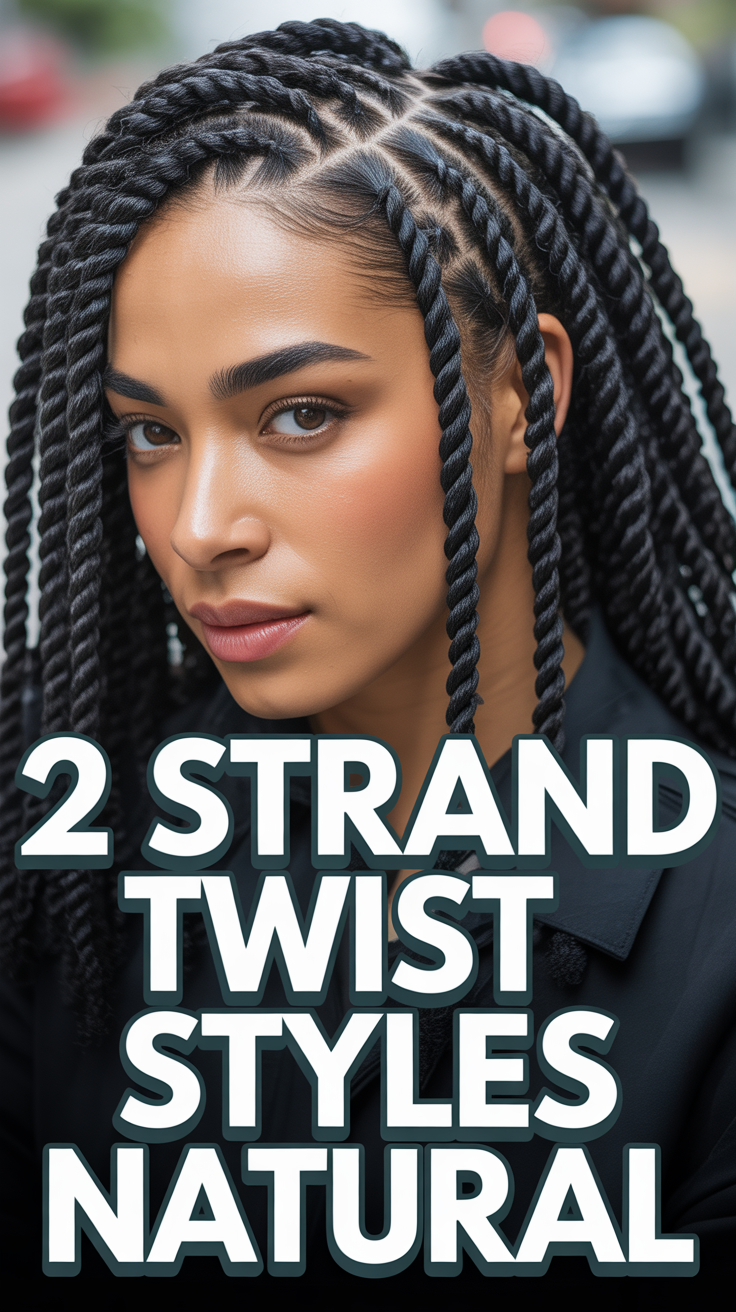
🌿 2 Strand Twist Styles Natural
💄 The Everyday Glamour Routine
You do not need to spend hundreds of dollars at Sephora to achieve a flawless, airbrushed finish. Professional makeup artists secretly rely on these 5 incredible, highly-rated viral drug store dupes and tools to create stunning looks that last all day.
✨ e.l.f. Power Grip Primer
The undisputed holy grail of primers that broke the internet. The unique gel-based formula literally 'grips' onto your foundation, blurring pores and completely preventing your makeup from melting off, creasing, or fading for up to 14 hours.
💧 Real Techniques Miracle Complexion Sponges
Stop applying liquid foundation with brushes that leave streaks. When used slightly damp, these ultra-soft, latex-free sponges seamlessly bounce liquid products into your skin for an incredibly natural, dewy, 'no-makeup' finish.
🖤 Maybelline Sky High Lengthening Mascara
You don't need expensive lash extensions. This wildly popular formula features a flexible tower brush that bends to volumize and extend every single tiny lash from root to tip without flaking, smudging, or weighing your eyes down.
🌟 L'Oreal True Match Lumi Glotion
The ultimate secret for that radiant 'glass skin' look. Use it alone for a sheer, healthy tint on no-makeup days, or mix a tiny drop into your foundation to instantly add an incredibly expensive-looking, natural luminosity to your face.
🌋 Revlon Oil-Absorbing Volcanic Roller
The modern replacement for messy blotting papers. Made from real volcanic stone, this tiny tool fits perfectly in your purse. Simply roll it across your T-zone to instantly absorb excess shine without messing up the makeup underneath.
Embracing natural hair is a journey of discovery, self-expression, and often, a quest for styles that are both beautiful and beneficial for hair health. Among the myriad of natural hair styling techniques, the 2 strand twist stands out as a true cornerstone, revered for its incredible versatility, protective qualities, and the stunning definition it imparts. Far more than just a temporary look, 2 strand twist styles natural represent a foundational technique that empowers individuals to manage, grow, and showcase their natural textures with grace and confidence.
This comprehensive guide will delve deep into the world of 2 strand twists, exploring everything from their fundamental mechanics to advanced tips for achieving flawless results. Whether you’re a natural hair novice looking for a reliable go-to style or a seasoned enthusiast seeking to refine your technique, this article will provide you with the knowledge and inspiration to master the art of 2 strand twist styles and unlock their full potential for your natural hair journey. Prepare to transform your hair routine, protect your precious strands, and revel in the beauty of defined, healthy, and vibrant natural hair.
What is 2 Strand Twist Styles Natural?
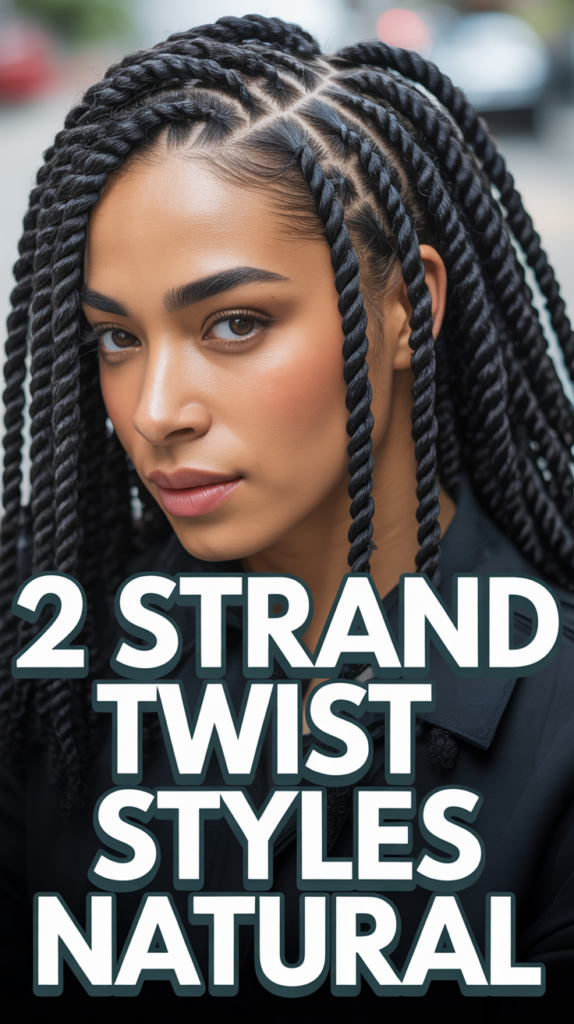
At its core, a 2 strand twist is a simple yet profoundly effective hair styling technique where two sections of hair are twisted around each other from the root to the tip. This method is a staple in the natural hair community due to its ability to create defined, textured patterns without the use of heat, making it an excellent choice for maintaining hair health and integrity. The term “natural” in “2 strand twist styles natural” emphasizes that this technique is specifically applied to unrelaxed, chemical-free hair, celebrating and enhancing its inherent texture, whether it be coily, kinky, curly, or wavy.
The magic of the 2 strand twist lies in its dual functionality. Firstly, it can be worn as a protective style, meaning the hair is tucked away and shielded from daily manipulation, environmental stressors, and breakage. When worn in this manner, the twists themselves become the style, offering a neat, elegant, or edgy look depending on their size, placement, and how they are styled (e.g., twist-outs, updos, half-up styles). This protective aspect is crucial for length retention, as it minimizes friction and tangling, which are common culprits for breakage in natural hair.
Secondly, and perhaps most famously, 2 strand twists are the foundation for a spectacular “twist-out.” Once the twists are fully dry, they can be carefully unraveled to reveal a cascade of beautifully defined, elongated curls or waves. The resulting texture is a reflection of the initial twist pattern, offering a unique blend of definition and volume that is highly coveted. The size of the twists directly influences the outcome of the twist-out: smaller twists yield tighter, more numerous curls, while larger twists result in looser, wavier patterns. This versatility makes the 2 strand twist an indispensable tool for anyone looking to explore different textures and looks with their natural hair.
The process typically begins with clean, damp, and well-moisturized hair. Hair is sectioned, and each section is further divided into two strands. These two strands are then twisted around each other, often with a styling product applied to enhance hold, definition, and moisture. The twisting motion locks in moisture and helps to set the curl pattern. The finished twists are then allowed to air dry completely, or dried with the aid of a hooded dryer or diffuser on a low-heat setting, before being unraveled for the twist-out effect, or simply worn as is. This simple yet powerful technique has become a cornerstone for natural hair care, celebrated for its ability to create stunning, healthy, and versatile styles.
Key Features
The enduring popularity of 2 strand twist styles for natural hair stems from a multitude of compelling features that cater to both aesthetic desires and practical hair care needs. Understanding these key characteristics can help you fully appreciate the value this technique brings to your natural hair journey.
- Unmatched Versatility: This is perhaps the most celebrated feature. 2 strand twists offer two distinct styles in one. You can wear the twists themselves as a chic, protective style, arranging them in updos, ponytails, or leaving them down. Alternatively, once dry, they can be unraveled to create a stunning twist-out, producing defined, voluminous curls or waves. This dual functionality means you can transition from one look to another effortlessly, maximizing your styling options.
- Exceptional Protective Styling: By keeping hair strands neatly twisted together, 2 strand twists significantly reduce daily manipulation, friction, and exposure to environmental elements like wind, sun, and cold. This protective barrier minimizes breakage, split ends, and tangling, which are crucial for maintaining hair health and promoting length retention.
- Superb Definition and Texture: For those who desire well-defined curls or waves, 2 strand twists are a game-changer. The twisting motion helps to clump hair strands together, setting a consistent pattern that translates into beautifully defined texture, whether worn as twists or as a twist-out. This definition helps to showcase the natural beauty of your hair’s unique curl pattern.
- Low Maintenance: Once installed, 2 strand twists require minimal daily effort. A simple nighttime routine of covering with a satin scarf or bonnet is often sufficient to preserve the style for several days to a week or more. This makes them an ideal choice for busy individuals seeking a stylish yet low-commitment hair solution.
- Promotes Length Retention: By reducing breakage and manipulation, 2 strand twists create an optimal environment for hair to grow and retain its length. When hair is protected, it can reach its full growth potential without being constantly chipped away by damage, leading to noticeable improvements in overall length over time.
- Customization Options: The beauty of 2 strand twists lies in their adaptability. You can vary the size of your twists (mini, medium, large) to achieve different levels of definition and volume. Parting strategies (straight, curved, zig-zag) can add visual interest, and accessories like beads, cuffs, or scarves can further personalize your look.
- Suitable for All Natural Hair Types: Regardless of whether your hair is loosely wavy (Type 2), curly (Type 3), or coily/kinky (Type 4), 2 strand twists can be successfully achieved. While the results in terms of definition and longevity may vary slightly between hair types, the technique itself is universally applicable, making it an inclusive style for the entire natural hair community.
These key features collectively establish 2 strand twists as an invaluable and beloved technique for anyone embracing their natural hair, offering a perfect blend of style, protection, and ease.
How to Get Started
Embarking on your 2 strand twist journey is a rewarding experience that begins with proper preparation and technique. Following these practical steps will set you up for success, ensuring defined, long-lasting twists and beautiful twist-outs.
1. Preparation is Key: Cleanse, Condition, and Detangle
The foundation of any great natural hairstyle, especially twists, is clean, moisturized, and thoroughly detangled hair. This step cannot be overstated.
- Cleanse: Start with freshly washed hair. Use a sulfate-free shampoo to gently cleanse your scalp and strands without stripping natural oils.
- Condition: Follow up with a moisturizing conditioner. Allow it to sit for a few minutes to deeply hydrate your hair.
- Deep Condition (Optional but Recommended): For an extra boost of moisture and strength, incorporate a deep conditioning treatment once a week or every two weeks. This is especially beneficial before installing a protective style like twists.
- Detangle: While your hair is saturated with conditioner (or a leave-in), use a wide-tooth comb or your fingers to gently detangle your hair, working from the ends upwards. Ensure there are no knots or tangles, as this will make twisting much easier and prevent breakage.
2. Product Application: Layer for Moisture and Hold
Applying the right products in the correct order is crucial for optimal twist definition, moisture, and longevity. The “LOC” (Liquid, Oil, Cream) or “LCO” (Liquid, Cream, Oil) method is highly recommended.
- Leave-in Conditioner (Liquid): Apply a generous amount of a hydrating leave-in conditioner to your damp, detangled hair. This provides the foundational moisture.
- Moisturizer/Cream (Cream): Follow with a rich styling cream or butter. This adds another layer of moisture and helps to soften the hair, making it more pliable.
- Styling Gel/Foam (Hold): For added definition and hold, especially if you have a looser curl pattern, apply a light-to-medium hold styling gel or foam. Distribute evenly from root to tip.
- Oil (Sealant): Finish with a light natural oil (e.g., jojoba, argan, grapeseed) to seal in all the moisture. This adds shine and helps prevent frizz.
3. Sectioning for Success
Proper sectioning ensures uniformity, managesability, and a neat final look.
- Divide Hair: Use a rattail comb to create clean, precise parts. You can divide your hair into four main sections (front, back, left, right) and work from there.
- Smaller Sections: Within each main section, take smaller, manageable subsections. The size of these subsections will determine the size of your individual twists. Smaller sections yield tighter, more defined curls, while larger sections result in looser waves. Clip away any hair you’re not currently working on.
4. The Twisting Technique
Now for the main event – the actual twisting!
- Take a Subsection: Pick up one small, product-coated subsection of hair. Ensure it’s smooth and detangled.
- Divide into Two Strands: Carefully divide this subsection into two equal strands.
- Optional Pre-Twist: Some people find it helpful to slightly twist each individual strand in the same direction before twisting them together. This can enhance definition.
- Twist Around Each Other: Begin twisting the two strands around each other from the root, down to the tip. Maintain consistent tension throughout the twist. The direction you twist (clockwise or counter-clockwise) is a matter of preference, but consistency across all twists is key.
- Secure the Ends: Once you reach the end of the hair, you can secure it by finger coiling the very tip, adding a tiny perm rod, or simply twirling it until it naturally coils. This prevents the twist from unraveling.
- Repeat: Continue this process, section by section, until all your hair is twisted.
5. Drying Your Twists
Patience is a virtue here. Your twists must be completely dry before unraveling to avoid frizz and ensure maximum definition.
- Air Dry: This is the gentlest method. Allow your twists to air dry completely, which can take several hours or even overnight, depending on your hair’s density and length.
- Hooded Dryer: For faster drying, sit under a hooded dryer on a low-to-medium heat setting.
- Diffuser: If using a blow dryer, attach a diffuser and use a low-heat, low-speed setting to gently dry your twists without disturbing them too much.
6. Maintenance and Unraveling (for Twist-Out)
- Nighttime Protection: To preserve your twists or twist-out, sleep with a satin or silk bonnet or scarf, or on a satin pillowcase.
- Unraveling: Ensure your hair is 100% dry. Lightly coat your fingertips with a small amount of natural oil (like argan or jojoba oil) to minimize frizz. Carefully unravel each twist, starting from the tip and working your way up. Separate the resulting curls gently for more volume, or leave them clumped for more definition.
By following these detailed steps, you’ll be well on your way to achieving beautiful, healthy 2 strand twist styles and stunning twist-outs.
Tips for Success
Achieving consistently beautiful 2 strand twist styles requires a bit of practice and adherence to a few professional tips. These insights will help you elevate your technique and ensure your twists and twist-outs are always on point.
- Master the Art of Damp Hair: The ideal state for twisting is damp, not soaking wet, and certainly not dry. Twisting on damp hair allows for maximum product absorption, better definition as the hair dries and shrinks, and minimizes frizz. Twisting on dry hair can lead to breakage and a lack of definition. If your hair starts to dry during the process, keep a spray bottle with water and a little leave-in conditioner handy to re-moisten sections as needed.
- Product Selection is Paramount: Not all products are created equal, and what works for one person may not work for another. Experiment with different leave-in conditioners, styling creams, gels, and oils to find the combination that best suits your hair’s porosity, density, and curl pattern. Look for products that offer good slip for easy detangling, moisture for hydration, and a light-to-medium hold for definition without stiffness or flaking.
- Consistent Tension and Sectioning: The uniformity of your twists directly impacts the overall look. Strive for consistent tension from root to tip when twisting each section – not too tight to cause discomfort or breakage, but tight enough to ensure definition. Equally important is consistent sectioning. Use a rattail comb to create clean, even parts. Uneven sections can lead to some twists unraveling prematurely or an inconsistent curl pattern in your twist-out.
- Patience During the Drying Process: This is arguably the most critical tip for a successful twist-out. Your twists MUST be completely, 100% dry before unraveling. If you unravel them while they are even slightly damp, you risk frizz, a loss of definition, and the style not lasting as long. Air drying is often the best, gentlest option, but a hooded dryer on a low setting or a diffuser can speed up the process. Test a hidden twist to ensure it’s dry before proceeding.
- Protect Your Style at Night: To extend the life of your twists or twist-out, nighttime protection is non-negotiable. Always sleep with a satin or silk bonnet, scarf, or on a satin pillowcase. This reduces friction, which can lead to frizz, breakage, and loss of definition. For twist-outs, you can also “pineapple” your hair (gathering it loosely at the top of your head) before covering it, to maintain volume and prevent flattening.
By integrating these tips into your routine, you’ll not only achieve more beautiful and long-lasting 2 strand twist styles but also contribute significantly to the overall health and vitality of your natural hair.
Common Mistakes to Avoid
While 2 strand twists are a relatively straightforward style, certain missteps can hinder your results and even damage your hair. Being aware of these common mistakes will help you navigate your natural hair journey more smoothly.
- Twisting on Dry, Undetangled Hair: This is perhaps the most detrimental mistake. Attempting to twist dry or tangled hair will inevitably lead to breakage, pain, and a frizzy, undefined outcome. Dry hair lacks elasticity and moisture, making it prone to snapping, while tangles create uneven sections and prevent smooth twisting. Always start with clean, deeply conditioned, and thoroughly detangled hair that is damp.
- Using Too Much or Too Little Product: Finding the right balance of product is crucial. Using too much product can weigh down your hair, leave it greasy or sticky, and cause product buildup and flaking. Conversely, using too little product, especially a leave-in conditioner and a styling cream/gel, will result in dry, frizzy twists with poor definition and a short lifespan. Experiment to find the optimal amount for your hair’s density and length.
- Twisting Too Loosely or Too Tightly:
- Too Loosely: Twists that are too loose won’t hold their shape, will unravel quickly, and won’t yield defined curls in a twist-out. The hair won’t clump together effectively.
- Too Tightly: Twisting too tightly, especially at the roots, can cause tension on your scalp, leading to discomfort, headaches, and even traction alopecia over time. It can also cause breakage when the twists are eventually removed. Aim for a firm but comfortable tension.
- Unraveling Twists Before They Are Completely Dry: This is a cardinal sin in the world of twist-outs! Unraveling twists that are even slightly damp guarantees frizz and a lack of definition. The curl pattern needs to be fully set in its dry state. Patience is key; if you’re in a rush, opt for a hooded dryer on a low setting, but never unravel prematurely.
- Ignoring Scalp Care: While twists protect your hair, it’s easy to neglect your scalp. A healthy scalp is essential for healthy hair growth. Don’t forget to moisturize your scalp regularly with light oils or a scalp serum, and avoid excessive product buildup at the roots, which can clog pores.
- Leaving Twists in for Too Long: While 2 strand twists are a protective style, they aren’t meant to be permanent. Leaving them in for an extended period (more than 2-3 weeks without refreshing or re-doing) can lead to excessive tangling, matting, and dreading, especially at the roots. This makes the unraveling process difficult and can cause significant breakage. Regularly assess your twists for buildup and matting.
- Rough Unraveling: When it’s time to take down your twists, be gentle! Ripping or pulling them apart hastily will cause frizz and breakage. Always apply a little oil to your fingertips and carefully untwist from the bottom up, separating the resulting curls gently.
By consciously avoiding these common pitfalls, you’ll improve your 2 strand twist technique, protect your natural hair from damage, and consistently achieve stunning, healthy styles.
FAQ
Navigating the world of natural hair styling often comes with questions. Here are some frequently asked questions about 2 strand twist styles natural, providing quick answers to common concerns.
Q1: How long do 2 strand twists typically last?
The longevity of 2 strand twists depends on several factors, including your hair type, the products used, how well they are maintained, and the size of the twists. Generally:
- As a protective style (worn as twists): 1 to 2 weeks is common. With proper nighttime care (satin bonnet/scarf) and light refreshing, some can last up to 3 weeks.
- For a twist-out (unraveled): A well-done twist-out can last anywhere from 3 to 7 days, with definition gradually decreasing over time. Refreshing techniques can extend this.
Q2: Can 2 strand twists promote hair growth?
While 2 strand twists themselves don’t directly stimulate hair growth from the follicle, they play a crucial role in retaining length. By acting as a protective style, they:
- Minimize daily manipulation, friction, and tangling, which are major causes of breakage.
- Protect hair from environmental damage.
- Help lock in moisture, reducing dryness and brittleness.
By preventing breakage, 2 strand twists allow your hair to reach its full growth potential, making it appear longer over time. Consistent protective styling, combined with a healthy hair care regimen, is key for length retention.
Q3: What’s the best hair type for 2 strand twists?
The beauty of 2 strand twists is their versatility across all natural hair types! They work wonderfully for:
- Type 4 (Coily/Kinky Hair): Excellent for achieving significant definition, elongating coils, and reducing shrinkage.
- Type 3 (Curly Hair): Great for enhancing natural curl patterns, creating more uniform curls, and reducing frizz.
- Type 2 (Wavy Hair): Can help to create more defined waves or loose curls, adding texture and volume.
While the results (e.g., tightness of curl, longevity) may vary slightly between hair types, the technique is universally applicable. Finding the right products tailored to your hair’s specific needs (porosity, density) will optimize your results.
Q4: How do I refresh my 2 strand twists or twist-out?
Refreshing is key to extending the life of your style:
- For Twists: Lightly mist with a hydrating spray (water + leave-in conditioner). Focus on frizz-prone areas. You can re-twist any loose or frizzy sections. Apply a small amount of light oil to add shine and seal.
- For Twist-Outs:
- Nightly: Pineapple your hair loosely on top of your head and cover with a satin bonnet.
- Daily Refresh: Lightly mist with a hydrating spray. Gently fluff and separate curls for volume. For specific frizzy areas, you can apply a tiny bit of styling cream or gel and finger coil the curl. Avoid over-saturating.
- Partial Re-twisting: For older twist-outs, you can re-twist just the front or most visible sections at night to revive definition for the next day.
✨ The Ultimate Skin & Hair Care Kit
The best makeup in the world cannot hide poorly treated skin or damaged hair. If you want to glow from the inside out, these 5 science-backed formulations and trusted tools are the absolute essential core of any functional, results-driven beauty regimen.
🐌 COSRX Snail Mucin 96% Repair Essence
The Korean skincare secret that completely revolutionized Western beauty routines. Applying this deeply hydrating, lightweight essence absolutely transforms dull, textured skin overnight into a plump, hydrated, and insanely smooth canvas.
🧪 Paula's Choice 2% BHA Liquid Exfoliant
Stop aggressively scrubbing your face. This gentle, leave-on chemical exfoliant sinks deep into pores to dissolve blackheads, visibly shrink enlarged pore size, and effectively erase stubborn acne breakouts without leaving your skin red or irritated.
🩹 Mighty Patch Original Hydrocolloid Stickers
The ultimate emergency fix. When you feel a massive blemish forming, do not pop it! Stick one of these medical-grade patches on overnight and watch it completely absorb all the impurities while protecting the skin from scarring.
💨 Revlon One-Step Volumizer Hot Air Brush
Achieve a massive bouncy, salon-quality blowout at home in literally half the time. This ingenious tool dries, brushes, and heavily volumizes your hair all at once, completely saving your arms from the exhausting juggle of a round brush and heavy dryer.
💧 Olaplex No. 7 Bonding Hair Oil
If you use heat tools or color your hair, this is non-negotiable. This highly concentrated, weightless styling oil instantly tames frizz, dramatically increases shine, and actually repairs broken hair bonds while providing up to 450°F heat protection.
Conclusion
The 2 strand twist stands as a testament to the beauty, resilience, and versatility of natural hair. Far more than just a styling technique, it embodies a comprehensive approach to natural hair care, offering a harmonious blend of aesthetic appeal and profound protective benefits. From its elegant simplicity as a standalone style to its transformative power in creating breathtaking twist-outs, the 2 strand twist empowers individuals to celebrate their unique texture, embrace healthy hair practices, and express their individuality with confidence.
Throughout this guide, we’ve explored the fundamental mechanics, key advantages, and practical steps to master this beloved technique. We’ve highlighted the importance of proper preparation, strategic product application, and the patience required for flawless execution. By understanding the common pitfalls and armed with expert tips for success, you are now equipped to embark on or refine your own 2 strand twist journey.
Remember, every strand tells a story, and every twist is an act of self-care and artistic expression. Embrace the process, be patient with your progress, and allow yourself the freedom to experiment with different sizes, parts, and accessories. The 2 strand twist is not just a style; it’s a foundation for healthy hair growth, a canvas for creativity, and a consistent reminder of the inherent beauty of natural hair. So go forth, twist with intention, and revel in the magnificent results that await you. Your natural hair journey is a beautiful one, and the 2 strand twist is here to guide you to stunning, healthy, and defined hair.