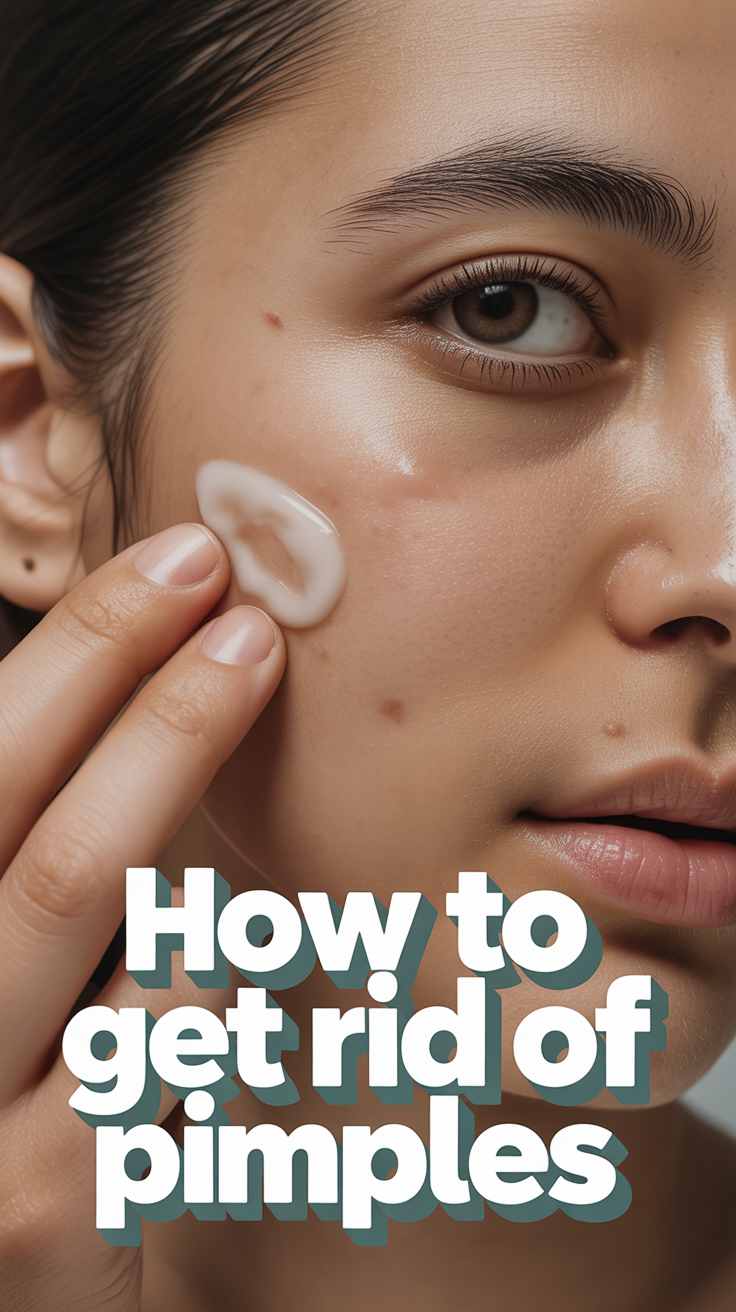
✨ How To Get Rid Of Pimples
Pimples, those unwelcome bumps that appear on our skin, are a universal experience. From teenagers navigating puberty to adults dealing with stress or hormonal fluctuations, almost everyone has faced the frustration of an unexpected breakout. While they might seem like a minor inconvenience, pimples can significantly impact self-esteem and overall well-being. The good news? Understanding how they form and implementing a consistent, effective skincare routine, coupled with healthy lifestyle choices, can dramatically reduce their occurrence and help you achieve clearer, healthier skin.
This comprehensive guide is designed to empower you with the knowledge and practical steps needed to tackle pimples head-on. We’ll delve into the essential products, detailed routines, expert tips, and crucial mistakes to avoid, ensuring you have all the tools to effectively manage and get rid of pimples. Get ready to embark on your journey towards a more confident, radiant complexion.
What You’ll Need
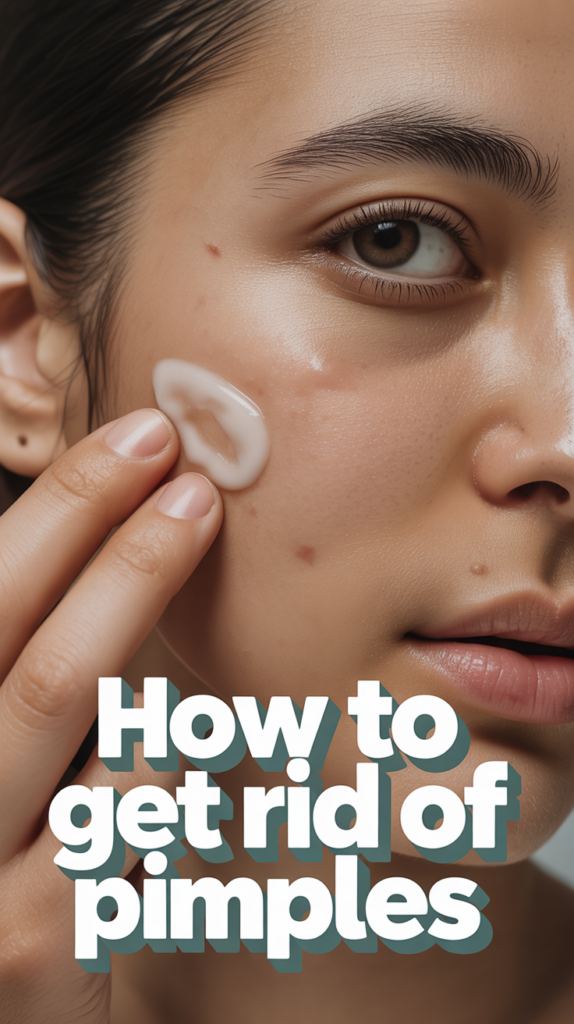
Before diving into the steps, gathering the right tools and products is crucial. Think of these as your essential arsenal in the fight against pimples. Quality over quantity is key, and consistency in their use will yield the best results.
- Gentle Cleanser: A mild, pH-balanced cleanser that doesn’t strip your skin of its natural oils. Look for “non-comedogenic” (won’t clog pores) and “fragrance-free.”
- Treatment Serum/Spot Treatment: Products containing active ingredients like Salicylic Acid (BHA), Benzoyl Peroxide, or Alpha Hydroxy Acids (AHAs like Glycolic Acid).
- Lightweight, Non-Comedogenic Moisturizer: Even oily or acne-prone skin needs hydration. Choose a moisturizer that won’t clog pores.
- Broad-Spectrum Sunscreen (SPF 30+): Essential for protecting your skin, especially when using active ingredients that can increase sun sensitivity.
- Clean Towels: Dedicated face towels, changed frequently, to avoid transferring bacteria.
- Pillowcases: Spare pillowcases to change regularly.
- Healthy Diet Components: Fresh fruits, vegetables, lean proteins, and whole grains.
- Water Bottle: For consistent hydration throughout the day.
- Patience and Consistency: The most important tools in your skincare journey.
Step-by-Step Instructions
Getting rid of pimples requires a multi-faceted approach that combines a diligent skincare routine with healthy lifestyle habits. Follow these steps consistently for the best chance at achieving clear skin.
-
Understand the Basics of Pimple Formation
Before you can effectively treat pimples, it helps to understand why they form. Pimples primarily occur when hair follicles (pores) become clogged with a combination of dead skin cells and excess oil (sebum). This creates an ideal environment for bacteria (specifically Propionibacterium acnes or P. acnes) to multiply, leading to inflammation, redness, and the characteristic bump. Hormonal changes, genetics, diet, stress, and certain medications can all influence sebum production and skin cell turnover, contributing to breakouts.
-
Cleanse Your Skin Gently, Twice Daily
Cleansing is the foundation of any good skincare routine. It removes dirt, oil, makeup, and impurities that can clog pores. However, harsh scrubbing or over-washing can irritate the skin, strip its natural barrier, and potentially worsen breakouts.
- Morning Routine: Use a gentle, non-foaming or low-foaming cleanser to wash away any overnight oil buildup and prepare your skin for the day.
- Evening Routine: If you wear makeup, consider a double cleanse. Start with an oil-based cleanser or micellar water to dissolve makeup and sunscreen, then follow with your gentle water-based cleanser to thoroughly clean your pores. Use lukewarm water and your fingertips, massaging gently for about 60 seconds. Pat your face dry with a clean, soft towel.
-
Incorporate Targeted Treatments
After cleansing, apply treatments designed to address the root causes of pimples. These active ingredients work by unclogging pores, reducing inflammation, and killing bacteria.
- Salicylic Acid (BHA): A beta-hydroxy acid that is oil-soluble, meaning it can penetrate into pores to dissolve sebum and dead skin cells. It’s excellent for blackheads, whiteheads, and mild to moderate acne. Use it in a serum, toner, or leave-on treatment. Start with a lower concentration (0.5-2%) a few times a week, gradually increasing frequency as your skin tolerates it.
- Benzoyl Peroxide: An antibacterial agent that kills acne-causing bacteria and helps shed dead skin cells. It’s effective for inflammatory pimples (red, pus-filled bumps). It comes in various strengths (2.5-10%). Start with a lower strength and apply it only to affected areas, as it can be drying and bleaching to fabrics.
- Alpha Hydroxy Acids (AHAs): Such as Glycolic Acid or Lactic Acid, work on the skin’s surface to exfoliate dead skin cells, improving texture and preventing clogged pores. They are good for improving overall skin tone and reducing post-inflammatory hyperpigmentation (dark spots left after pimples heal). Use them a few times a week, typically in the evening.
- Retinoids (Retinol, Adapalene): Vitamin A derivatives that accelerate cell turnover, preventing dead skin cells from clogging pores and reducing inflammation. Adapalene (Differin) is available over-the-counter and is highly effective for various types of acne. Start slowly (2-3 times a week at night) as retinoids can cause initial dryness and purging.
- How to Apply: Apply a thin layer of your chosen treatment to your entire affected area (e.g., full face if you have widespread acne) or as a spot treatment, depending on the product and your specific needs. Allow it to fully absorb before the next step.
-
Moisturize Regularly
Even if your skin is oily or acne-prone, moisturizing is non-negotiable. Skipping moisturizer can signal your skin to produce more oil to compensate, potentially leading to more breakouts. Moreover, many acne treatments can be drying, making moisturizer essential for maintaining a healthy skin barrier.
- Choose Wisely: Select a lightweight, non-comedogenic, oil-free moisturizer. Look for ingredients like hyaluronic acid or ceramides, which help hydrate without clogging pores.
- Application: Apply a small amount to your face after your treatments have absorbed. Do this twice daily, morning and night.
-
Protect Your Skin with Sunscreen
Sunscreen is vital, especially when using active ingredients like AHAs, BHAs, and retinoids, which can increase your skin’s sensitivity to the sun. Sun exposure can also worsen post-inflammatory hyperpigmentation (dark spots) and delay healing.
- Daily Application: Apply a broad-spectrum sunscreen with at least SPF 30 every morning as the last step in your skincare routine.
- Reapplication: Reapply every two hours if you’re outdoors, swimming, or sweating.
-
Maintain Excellent Hygiene Habits
Beyond your direct skincare routine, several hygiene practices can prevent the spread of bacteria and reduce breakouts.
- Hands Off: Avoid touching your face throughout the day, as hands carry dirt and bacteria.
- Clean Your Phone: Your phone screen collects oil and bacteria; wipe it down regularly with an antiseptic wipe.
- Wash Pillowcases Regularly: Change your pillowcase at least once a week, or even more frequently if you have severe acne, to prevent the buildup of oil, sweat, and bacteria.
- Clean Makeup Brushes: Wash your makeup brushes weekly with a gentle cleanser to remove bacteria and old makeup.
- Shower After Sweating: If you exercise or sweat heavily, shower promptly to wash away sweat and bacteria that can clog pores on your body and face.
-
Adopt a Skin-Friendly Diet and Stay Hydrated
While the link between diet and acne is complex and varies by individual, certain dietary choices can influence skin health.
- Limit Processed Foods and Sugars: High glycemic index foods (like white bread, sugary drinks, and processed snacks) can cause blood sugar spikes, potentially leading to inflammation and increased sebum production.
- Focus on Whole Foods: Emphasize fruits, vegetables, lean proteins, and whole grains. Foods rich in antioxidants, Omega-3 fatty acids (found in fish, flaxseeds), and zinc (found in nuts, seeds, legumes) are beneficial for skin health.
- Stay Hydrated: Drink plenty of water throughout the day. Proper hydration helps maintain skin elasticity and overall skin function.
-
Manage Stress Levels
Stress doesn’t directly cause pimples, but it can certainly exacerbate them. When stressed, our bodies produce more cortisol and other hormones, which can stimulate oil glands and lead to increased breakouts.
- Find Your Zen: Incorporate stress-reducing activities into your daily routine, such as meditation, yoga, deep breathing exercises, spending time in nature, or engaging in hobbies you enjoy.
- Prioritize Sleep: Aim for 7-9 hours of quality sleep per night. Sleep is crucial for skin repair and regeneration.
-
Be Patient and Consistent
Skincare is a marathon, not a sprint. It takes time for products to work and for skin to heal and adapt. You might not see significant results for several weeks or even months. Consistency is key – stick to your routine diligently, even if you don’t see immediate changes.
-
Know When to Seek Professional Help
If over-the-counter treatments and lifestyle changes aren’t yielding the desired results after 6-8 weeks, or if your acne is severe (cystic, nodular), painful, or causing significant scarring, it’s time to consult a dermatologist. They can offer stronger prescription medications and advanced treatments.
- Prescription Options: These may include topical retinoids (like Tretinoin), oral antibiotics, hormonal therapies (like birth control pills or spironolactone), or isotretinoin (Accutane) for severe cases.
- In-Office Procedures: A dermatologist can also perform procedures like chemical peels, extractions, or laser therapy to manage acne and improve skin texture.
Pro Tips
Enhance your pimple-fighting efforts with these expert recommendations:
- Patch Test New Products: Before applying any new product to your entire face, test a small amount on an inconspicuous area (like behind your ear or on your jawline) for 2-3 days. This helps check for allergic reactions or irritation.
- Don’t Over-Exfoliate: While exfoliation is important, doing it too often or using harsh physical scrubs can damage your skin barrier, leading to increased irritation and breakouts. Stick to chemical exfoliants (AHAs/BHAs) 2-3 times a week, unless directed otherwise by a dermatologist.
- Layer Products Correctly: Apply products from thinnest to thickest consistency. Generally, this means cleanser, toner (if used), treatment serum/spot treatment, moisturizer, and then sunscreen in the morning. Allow each product to absorb for a minute or two before applying the next.
- Consider Your Hair Products: If you’re experiencing breakouts around your hairline or forehead, check your shampoo, conditioner, and styling products. Heavy oils or silicones can transfer to your skin and clog pores. Opt for non-comedogenic hair products.
- Be Mindful of Picking: As tempting as it is, picking or squeezing pimples can push bacteria deeper into the skin, lead to more inflammation, prolong healing, and significantly increase the risk of scarring and dark spots. Leave extractions to professionals.
Common Mistakes to Avoid
Knowing what not to do is just as important as knowing what to do when it comes to treating pimples. Avoiding these common pitfalls can prevent further irritation and accelerate your journey to clear skin.
- Over-Washing or Harsh Scrubbing: While cleanliness is important, excessively washing your face or using abrasive scrubs can strip your skin’s natural oils, leading to dryness, irritation, and even stimulating more oil production. Stick to gentle cleansing twice daily.
- Picking or Popping Pimples: This is perhaps the most common and damaging mistake. Picking introduces new bacteria, can push existing infection deeper, leads to inflammation, and significantly increases the chances of scarring, dark spots (post-inflammatory hyperpigmentation), and prolonged healing.
- Skipping Moisturizer: Many people with oily or acne-prone skin believe they don’t need moisturizer. However, drying out your skin can trigger your oil glands to produce even more sebum, worsening breakouts. A lightweight, non-comedogenic moisturizer is crucial for all skin types.
- Neglecting Sunscreen: Active acne treatments can make your skin more sensitive to the sun. Skipping sunscreen can lead to sunburn, worsen dark spots, and hinder the healing process. Always use a broad-spectrum SPF 30+ daily.
- Using Too Many Active Ingredients at Once: Piling on multiple strong acne treatments (e.g., salicylic acid, benzoyl peroxide, and retinol all at once) can overwhelm and irritate your skin, leading to redness, flaking, and a compromised skin barrier. Introduce new products slowly and alternate them if necessary.
- Expecting Instant Results: Skincare takes time. It can take weeks or even months to see significant improvement in acne. Impatience often leads to abandoning a routine too soon or trying too many products at once, which can make things worse.
FAQ
How long does it take to get rid of pimples?
The timeline for getting rid of pimples varies greatly depending on the severity of your acne, the products you’re using, and your consistency. Mild breakouts might show improvement within a few weeks, while more moderate to severe acne can take 6-12 weeks or even longer to respond to treatment. Consistency and patience are key; don’t expect overnight results.
Can diet really cause or cure pimples?
The relationship between diet and acne is complex and still being researched, but for some individuals, certain foods can be a trigger. High glycemic index foods (like refined carbs and sugary snacks) and dairy products have been implicated in some studies. While diet alone is unlikely to “cure” acne, adopting a balanced diet rich in whole foods, fruits, vegetables, and lean proteins, and limiting processed foods and excessive sugar, can support overall skin health and potentially reduce breakouts for sensitive individuals. Staying hydrated is also crucial.
Are natural remedies effective for pimples?
Some natural remedies, like tea tree oil (diluted) or witch hazel, have mild antiseptic or anti-inflammatory properties that may help with minor breakouts for some people. However, they are generally less potent than scientifically backed active ingredients like salicylic acid or benzoyl peroxide. It’s crucial to use natural remedies with caution, perform patch tests, and understand that they might not be sufficient for moderate to severe acne. Always consult a dermatologist before relying solely on natural remedies, especially if your acne is persistent or severe.
When should I see a dermatologist for my pimples?
You should consider seeing a dermatologist if your pimples are:
- Not responding to over-the-counter treatments after 6-8 weeks of consistent use.
- Severe, characterized by large, painful cysts or nodules.
- Causing significant scarring or dark spots.
- Affecting your self-esteem or quality of life.
- Accompanied by other symptoms like excessive hair growth or irregular periods (which might indicate a hormonal imbalance).
A dermatologist can prescribe stronger medications, offer in-office treatments, and provide personalized advice for your specific skin concerns.
Conclusion
Getting rid of pimples is a journey that requires commitment, understanding, and a gentle approach. There’s no single magic bullet, but by consistently following a well-structured skincare routine, making informed lifestyle choices, and understanding when to seek professional guidance, you can significantly improve your skin’s health and appearance.
Remember to cleanse gently, treat with targeted ingredients, moisturize diligently, and protect with sunscreen. Pair this with a healthy diet, stress management, and good hygiene, and you’re well on your way to achieving clearer skin. Most importantly, practice patience and self-compassion. Your skin’s health is a reflection of your overall well-being, and with consistent effort, you can confidently embrace a clearer, more radiant complexion. Start today, stay consistent, and celebrate every step of your progress!