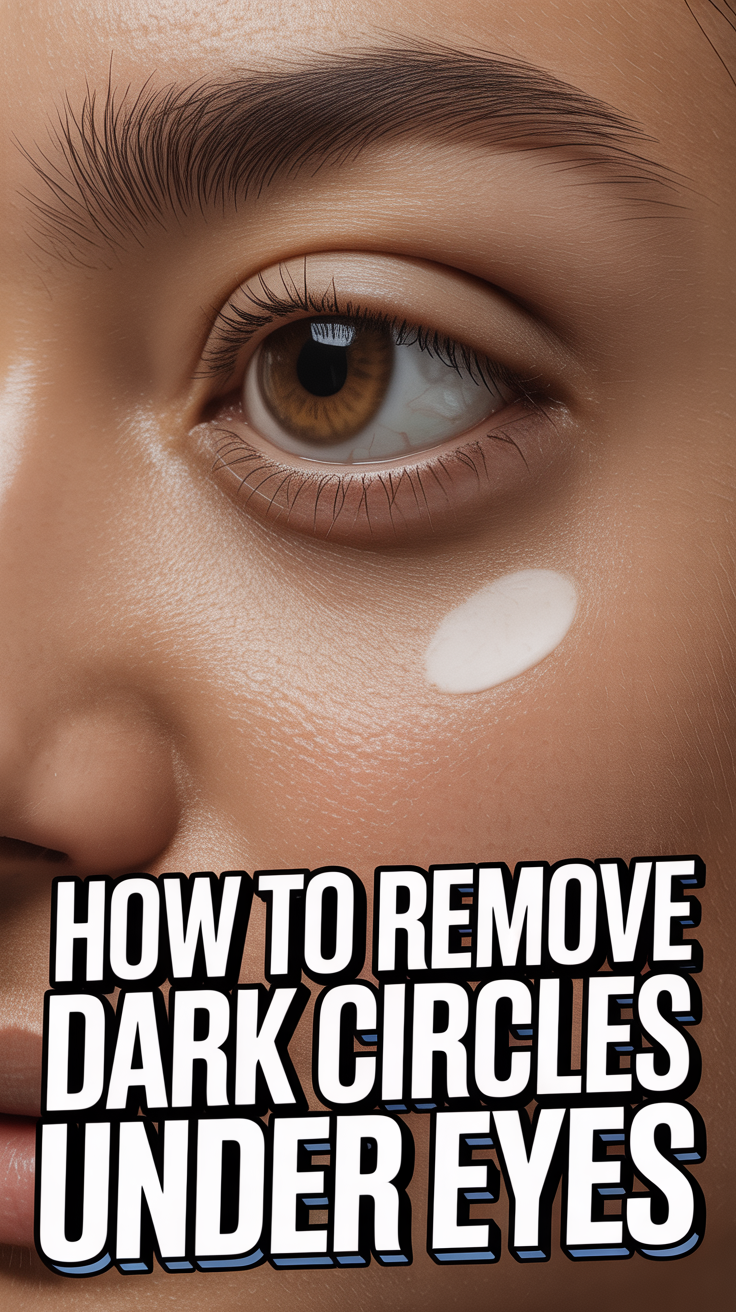
✨ How To Remove Dark Circles Under Eyes
Dark circles under the eyes are a common cosmetic concern that can leave you looking tired, older, or less vibrant than you feel. Affecting people of all ages, skin tones, and genders, these pesky shadows can be a source of frustration and self-consciousness. Whether they’re a result of genetics, lack of sleep, allergies, or simply the natural aging process, understanding their root causes is the first step toward effectively addressing them.
This comprehensive guide is designed to empower you with the knowledge and practical strategies needed to diminish the appearance of dark circles. We’ll delve into the various factors that contribute to their formation, explore effective lifestyle adjustments, highlight beneficial skincare ingredients, and even touch upon professional treatments for more stubborn cases. By the end of this article, you’ll have a clear, step-by-step roadmap to achieving a brighter, more refreshed under-eye area, helping you put your best face forward with confidence.
What You’ll Need
Addressing dark circles effectively often involves a multi-faceted approach, combining lifestyle changes with targeted skincare. Here’s a list of items and prerequisites that will be beneficial:
- Gentle Eye Cleanser: To remove makeup and impurities without irritating the delicate under-eye skin.
- Hydrating Eye Cream: Look for ingredients like hyaluronic acid, caffeine, vitamin C, retinol (gentle formulation), peptides, and niacinamide.
- Broad-Spectrum Sunscreen (SPF 30+): Essential for daily protection, even on cloudy days.
- Cold Compress Items: Cucumber slices, chilled tea bags (green or black), cold spoons, or a dedicated gel eye mask.
- Water Bottle: For consistent hydration throughout the day.
- Nutrient-Rich Foods: Fresh fruits, vegetables, lean proteins, and healthy fats.
- Quality Pillow: To ensure proper head elevation during sleep.
- Humidifier (Optional): Can help with dry skin or allergy-related dryness.
- Mild Allergy Medication (If Applicable): Consult a doctor if allergies are a known cause.
- Patience and Consistency: These are your most important tools for long-term results.
Step-by-Step Instructions

-
Step 1: Understand the Root Cause of Your Dark Circles
Before you can effectively treat dark circles, it’s crucial to identify what’s causing them. Dark circles aren’t a one-size-fits-all problem; they can stem from various factors, each requiring a slightly different approach. Taking the time to understand your specific situation will lead to more targeted and successful treatment. Common causes include:

- Genetics: Some individuals are predisposed to thinner skin under the eyes or more prominent blood vessels, making dark circles a hereditary trait.
- Lack of Sleep/Fatigue: Insufficient sleep can make blood vessels more prominent and lead to dull, pale skin, accentuating shadows.
- Dehydration: When the body lacks water, the skin under the eyes can appear sunken and dull, making blood vessels more noticeable.
- Sun Exposure: UV rays can trigger melanin overproduction (hyperpigmentation) in the delicate under-eye area, leading to darker skin.
- Allergies: Allergic reactions can cause inflammation and congestion in the blood vessels around the eyes, leading to puffiness and a bluish tint (allergic shiners). Rubbing itchy eyes can also worsen pigmentation.
- Thinning Skin/Loss of Volume: As we age, the skin under our eyes thins and loses collagen and fat, making underlying blood vessels more visible. This can also create a hollow appearance that casts shadows.
- Dietary Deficiencies: Lack of certain vitamins, especially iron, can contribute to anemia, which often manifests as pale skin and more noticeable dark circles.
- Lifestyle Factors: Smoking, excessive alcohol consumption, and high sodium intake can all contribute to poor circulation, fluid retention, and skin damage.
Action: Observe your lifestyle and consult a dermatologist if you’re unsure about the underlying cause, especially if you suspect a medical condition.
-
Step 2: Prioritize Adequate, Quality Sleep
This is arguably one of the most fundamental steps in combating dark circles. Lack of sleep not only makes your skin paler, which highlights existing shadows, but it also causes blood vessels under the thin skin to dilate, creating a darker, purplish hue. Aim for 7-9 hours of uninterrupted sleep each night.

- Establish a Routine: Go to bed and wake up at the same time daily, even on weekends, to regulate your body’s internal clock.
- Create a Relaxing Environment: Ensure your bedroom is dark, quiet, and cool. Avoid screens (phones, tablets, computers) for at least an hour before bedtime.
- Elevate Your Head: Use an extra pillow to slightly elevate your head while sleeping. This can help prevent fluid from pooling under your eyes, reducing puffiness and the appearance of dark circles.
-
Step 3: Stay Consistently Hydrated
Dehydration is a common culprit for dark circles, as it can make your skin look dull and thin, allowing the underlying blood vessels to show through more clearly. Proper hydration helps maintain skin elasticity and plumpness, making blood vessels less visible.

- Drink Plenty of Water: Aim for at least 8 glasses (around 2 liters) of water daily. Increase intake if you exercise or live in a hot climate.
- Limit Dehydrating Beverages: Reduce consumption of caffeine and alcohol, which can contribute to dehydration.
- Incorporate Hydrating Foods: Eat water-rich fruits and vegetables like watermelon, cucumber, oranges, and leafy greens.
-
Step 4: Adopt a Nutrient-Rich, Balanced Diet
Your diet plays a significant role in skin health. A diet rich in vitamins, minerals, and antioxidants can improve circulation, strengthen blood vessels, and protect skin from damage.

- Vitamin K: Found in leafy greens (spinach, kale), broccoli, and Brussels sprouts, Vitamin K helps improve blood clotting and circulation, which can reduce the appearance of vascular dark circles.
- Vitamin C: A powerful antioxidant found in citrus fruits, berries, and bell peppers, Vitamin C helps boost collagen production, strengthening the delicate skin under the eyes and making blood vessels less apparent.
- Iron: If your dark circles are due to anemia, iron-rich foods like lean red meat, beans, lentils, and fortified cereals are essential. Pair with Vitamin C to enhance absorption.
- Antioxidants: Berries, green tea, and dark chocolate are packed with antioxidants that protect skin cells from damage caused by free radicals.
- Reduce Sodium: High sodium intake can lead to fluid retention and puffiness, exacerbating dark circles.
-
Step 5: Implement a Gentle and Targeted Eye Care Routine
The skin under your eyes is extremely delicate, making a gentle yet effective skincare routine vital.

- Gentle Cleansing: Always remove eye makeup with a gentle, non-irritating cleanser specifically designed for the eye area. Avoid harsh rubbing.
- Invest in a Quality Eye Cream: Look for formulations with active ingredients tailored to dark circles:
- Caffeine: A vasoconstrictor, it temporarily constricts blood vessels, reducing puffiness and the appearance of darkness.
- Hyaluronic Acid: Provides intense hydration, plumping the skin and making it appear smoother and less translucent.
- Vitamin C: Brightens skin and stimulates collagen production, improving skin thickness and reducing pigmentation.
- Retinol (low concentration): Promotes cell turnover and collagen synthesis, improving skin texture and thickness over time. Use a gentle, eye-specific retinol product only at night, and always follow with SPF during the day.
- Peptides: Help stimulate collagen production, improving skin firmness and elasticity.
- Niacinamide: A form of Vitamin B3, it helps reduce hyperpigmentation and strengthen the skin barrier.
Application: Apply eye cream gently with your ring finger, dabbing lightly around the orbital bone (not too close to the lash line) morning and night.
- Daily Sun Protection: Apply a broad-spectrum SPF 30+ sunscreen around your eyes every single day, regardless of weather. UV radiation is a primary cause of hyperpigmentation and collagen breakdown, both of which worsen dark circles. Wear sunglasses and a wide-brimmed hat when outdoors.
-
Step 6: Utilize Effective Home Remedies for Temporary Relief
While not a permanent solution, certain home remedies can provide immediate, soothing relief and temporarily reduce the appearance of dark circles and puffiness.

- Cold Compress: The cold constricts blood vessels, reducing blood flow and inflammation.
- Chilled Cucumber Slices: Place chilled slices over your eyes for 10-15 minutes. Cucumbers contain antioxidants and flavonoids that help soothe and reduce puffiness.
- Chilled Tea Bags: Green tea and black tea contain caffeine and antioxidants that can help shrink blood vessels and reduce fluid retention. Steep two tea bags, chill them in the refrigerator, and place them over your closed eyes for 10-15 minutes.
- Cold Spoons or Gel Eye Masks: Place two clean spoons in the freezer for 10-15 minutes, then gently place the curved side against your closed eyelids until they warm up. Alternatively, use a pre-chilled gel eye mask.
- Aloe Vera Gel: Known for its anti-inflammatory and hydrating properties, pure aloe vera gel can be gently applied under the eyes before bed and rinsed off in the morning.
- Almond Oil or Vitamin E Oil: These oils are rich in emollients and antioxidants. Gently massage a few drops under your eyes before bed to nourish and hydrate the skin. Be cautious if you have sensitive skin, and always patch test first.
- Potato Slices: Potatoes contain natural bleaching agents and enzymes that can help lighten dark circles. Grate a potato, squeeze out the juice, soak cotton pads in it, and place them over your eyes for 15-20 minutes.
- Cold Compress: The cold constricts blood vessels, reducing blood flow and inflammation.
-
Step 7: Address Allergies and Sinus Issues
If you suffer from seasonal allergies, dust mites, or chronic sinus congestion, these can contribute significantly to dark circles (often called “allergic shiners”). Inflammation and congestion in the blood vessels around the eyes can lead to a bluish-purple discoloration.

- Consult a Doctor: If you suspect allergies are a cause, speak to your doctor about appropriate antihistamines or nasal sprays.
- Manage Environmental Triggers: Minimize exposure to allergens by keeping your home clean, using air purifiers, and avoiding known triggers.
- Nasal Rinses: Saline nasal rinses can help clear congested sinuses, potentially reducing under-eye puffiness and discoloration.
-
Step 8: Minimize Eye Rubbing and Strain
Vigorously rubbing your eyes, especially when tired or itchy, can break delicate capillaries under the skin, leading to increased pigmentation and inflammation. It can also worsen existing dark circles and contribute to premature aging.

- Be Gentle: Always handle the under-eye area with extreme care, whether applying products or removing makeup.
- Address Itchiness: If you experience persistent eye itchiness, consult an eye doctor to rule out allergies or other conditions that might require treatment.
- Reduce Eye Strain: Take regular breaks from screens (the 20-20-20 rule: every 20 minutes, look at something 20 feet away for 20 seconds) to prevent eye fatigue, which can make dark circles more noticeable.
-
Step 9: Consider Professional Treatments (If Necessary)
For persistent or severe dark circles that don’t respond adequately to lifestyle changes and topical treatments, a dermatologist can offer a range of professional solutions. These treatments are best discussed with a qualified professional to determine the most suitable option for your specific type of dark circles.

- Chemical Peels: Light peels can help exfoliate the skin and reduce hyperpigmentation.
- Laser Therapy: Various lasers (e.g., fractional, pulsed dye) can target pigmentation, stimulate collagen, or reduce visible blood vessels.
- Dermal Fillers: If dark circles are caused by volume loss or a tear trough deformity (hollowness), hyaluronic acid fillers can plump the area, reducing shadows.
- Platelet-Rich Plasma (PRP): Involves injecting a concentration of your own platelets to stimulate collagen and improve skin quality.
- Carboxytherapy: Involves injecting small amounts of carbon dioxide gas to improve circulation and collagen production.
- Blepharoplasty: In cases where excess fat or skin contributes significantly to dark circles, surgical options might be considered.
Action: Schedule a consultation with a board-certified dermatologist or plastic surgeon to explore these options.
Pro Tips

- Consistency is Key: No single treatment will provide overnight miracles. Adhering to your routine consistently, whether it’s sleep, hydration, or skincare, is paramount for seeing lasting improvements.
- Patch Test New Products: The skin around your eyes is incredibly sensitive. Always perform a patch test on a small, inconspicuous area of skin before applying any new eye cream or remedy to avoid irritation.
- Don’t Overdo It: More isn’t always better. Using too many products or applying them too frequently can irritate the delicate under-eye skin, potentially worsening the problem. Stick to a simple, effective routine.
- Manage Stress Levels: Chronic stress can impact sleep quality and overall skin health, contributing to a dull complexion and more prominent dark circles. Incorporate stress-reducing activities like meditation, yoga, or hobbies into your daily life.
- Be Patient: Significant improvements in dark circles can take weeks to months to become noticeable, especially with topical treatments and lifestyle changes. Track your progress with photos to stay motivated.
Common Mistakes to Avoid

- Aggressive Rubbing: Harshly rubbing or tugging at the delicate under-eye skin can break capillaries, cause inflammation, and exacerbate pigmentation, making dark circles worse.
- Ignoring Underlying Causes: Relying solely on topical creams without addressing lifestyle factors like poor sleep, dehydration, or allergies will yield minimal and temporary results.
- Using Harsh Products: Applying facial products not specifically formulated for the eye area (e.g., strong retinoids, harsh exfoliants) can cause irritation, dryness, and damage to the thin under-eye skin.
- Skipping Sun Protection: Neglecting to apply sunscreen around the eyes is a major mistake, as UV exposure is a leading cause of hyperpigmentation and collagen breakdown, both contributing to dark circles.
- Expecting Instant Results: Dark circles often develop over time, and reversing them requires patience. Expecting immediate transformation can lead to frustration and abandoning effective routines prematurely.
- Over-Reliance on Makeup: While concealer can temporarily mask dark circles, it’s not a solution. Focusing solely on covering them up without addressing the root causes means you’re missing opportunities for long-term improvement.
FAQ
Q1: Can dark circles be permanently removed?
A1: Complete, permanent removal depends on the cause. Genetically inherited dark circles or those due to very thin skin may be difficult to eliminate entirely but can be significantly lightened and managed. Dark circles caused by lifestyle factors (sleep, hydration) are often reversible with consistent effort. Professional treatments can offer long-lasting results, but maintenance may be required.
Q2: How long does it take to see results from treatments?
A2: For lifestyle changes and topical skincare, it typically takes 4-8 weeks to notice visible improvements, with more significant changes appearing after 2-3 months of consistent application. Home remedies offer temporary relief. Professional treatments might show quicker results, but the full effect can still take several weeks as skin regenerates.
Q3: Are home remedies truly effective for dark circles?
A3: Home remedies like cold compresses, cucumber, or tea bags can offer temporary relief by constricting blood vessels and reducing puffiness, making dark circles less noticeable in the short term. However, they generally do not address the underlying causes of chronic dark circles and are best used as supplementary treatments rather than primary solutions.
Q4: When should I see a doctor or dermatologist for my dark circles?
A4: You should consult a doctor or dermatologist if your dark circles are severe, persistent despite consistent home care, accompanied by pain or other symptoms, or if you suspect an underlying medical condition (like allergies or anemia). A professional can accurately diagnose the cause and recommend appropriate medical or cosmetic treatments.
Conclusion
Dark circles under the eyes, while a common concern, are not an insurmountable challenge. By understanding their diverse causes and committing to a holistic approach, you can significantly diminish their appearance and reveal a brighter, more youthful-looking under-eye area. Remember, the journey to clearer skin is often a marathon, not a sprint, requiring patience, consistency, and a willingness to adapt your habits.
From prioritizing restorative sleep and maintaining optimal hydration to adopting a nutrient-rich diet and implementing a targeted skincare routine, every step you take contributes to healthier, more resilient skin. Don’t hesitate to explore professional treatments if needed, as these can provide powerful solutions for stubborn cases. Embrace these strategies, be kind to your delicate under-eye skin, and prepare to greet the world with eyes that reflect your inner vitality and confidence.